



GIRIN
Breast
Reduction
Reduce the burden of heavy breasts.
Create a silhouette suited to your body.
Surgery Time
Approx. 2–4 Hours
Hospital Stay
Same-Day Discharge
Anesthesia
General Anesthesia
Stitch Removal
Day 7
Recovery
Approx. 3–4 Weeks
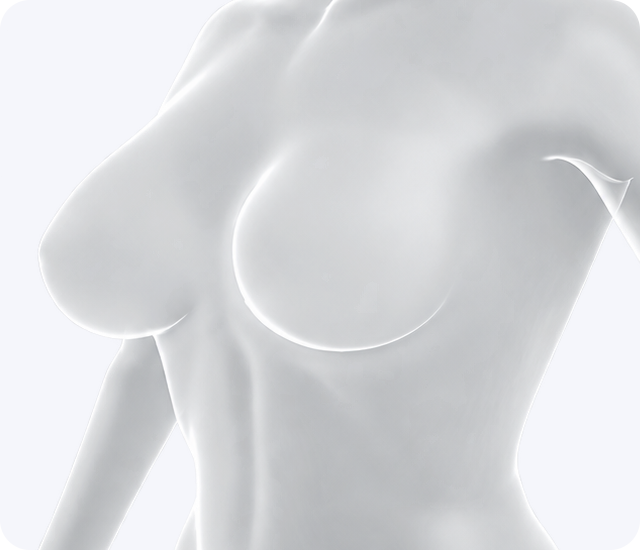
Macromastia
GIRIN Breast Reduction Surgery
Macromastia refers to excessively large or heavy breasts that may contribute to neck, shoulder, and back discomfort, skin irritation, and difficulties in everyday activities.
GIRIN breast reduction surgery is planned according to breast volume, degree of sagging, skin elasticity, and body proportions. The aim is to remove an appropriate amount of tissue while creating a balanced, natural-looking breast contour.
Main Causes of Macromastia
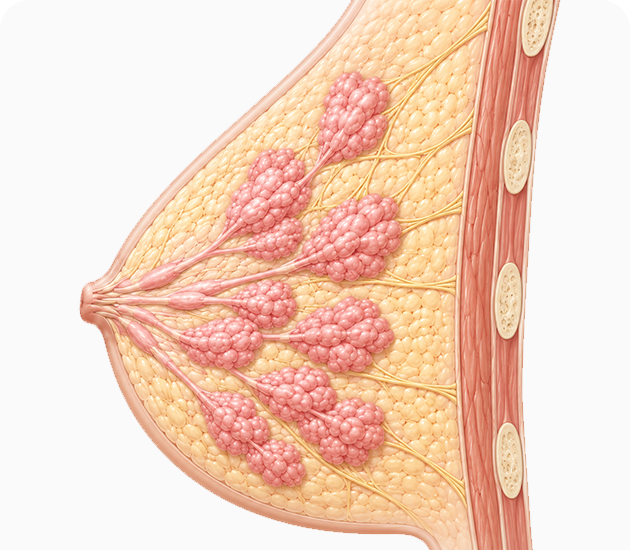
Hormonal & Constitutional Factors
Genetic factors and sensitivity to hormonal changes may contribute to excessive breast tissue development. Changes may become more noticeable during growth, pregnancy, and childbirth.
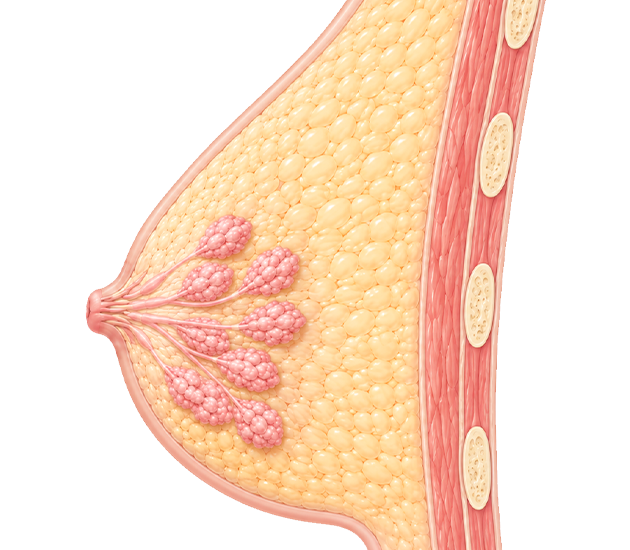
Weight Gain & Increased Fatty Tissue
Weight gain may increase the amount of fatty tissue in the breasts. Repeated body-weight changes may also contribute to breast sagging.
Macromastia often develops through a combination of body type, hormonal changes, and weight changes.
Do I Need Breast Reduction?
Breast reduction is not simply about making the breasts smaller. Body proportions, breast structure, sagging, and daily discomfort should all be considered.
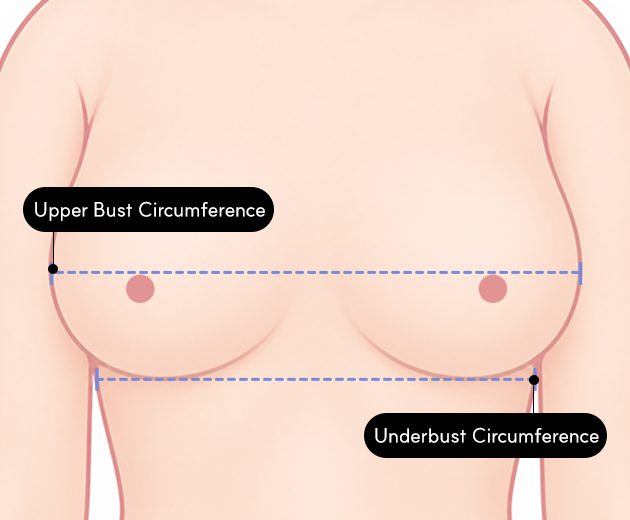
If breast weight and sagging contribute to discomfort, a breast reduction consultation may be helpful.
If You Experience These Symptoms
- Frequent neck, shoulder, or back pain
- Discomfort from bra straps or pressure
- Difficulty exercising or carrying out daily activities
- Repeated irritation beneath the breasts
- Stress caused by a disproportionate upper-body silhouette
If You Notice These Changes
- Increasing sagging due to breast weight
- Nipples appearing lower than before
- Significant difference in breast size
- Upper-body proportions appearing less balanced
Breast Reduction Surgical Methods
The incision method is selected according to the patient's condition, reduction amount, and degree of sagging.
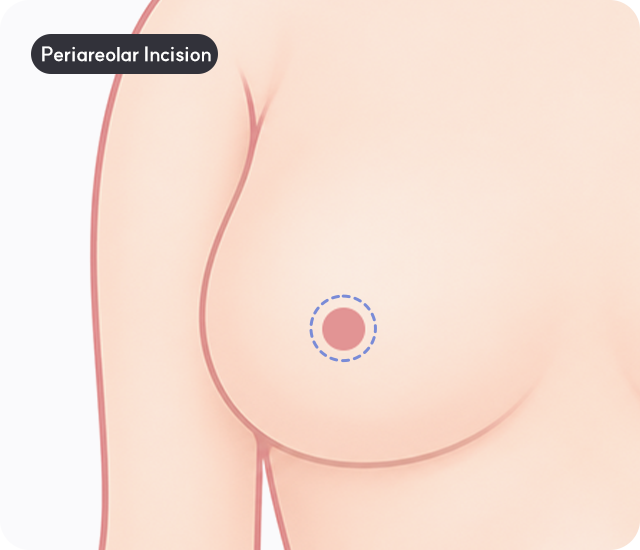
Periareolar Incision
Suitable for relatively small reductions
More limited incision area
An incision is made around the areola. This approach may be considered when the required reduction is relatively small and sagging is not severe.
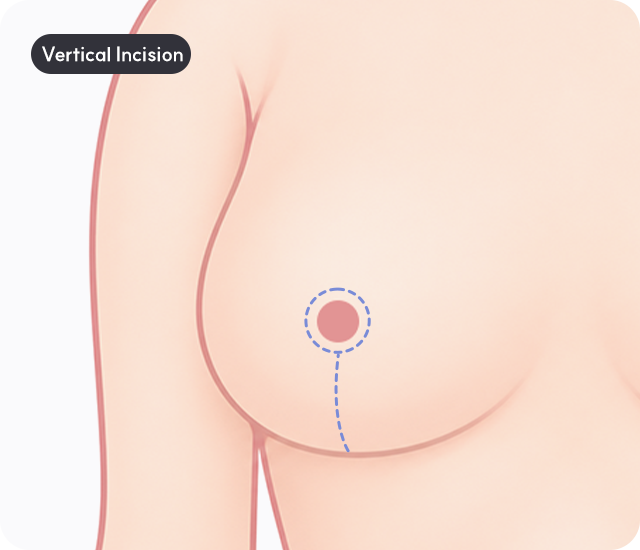
Vertical Incision
Suitable for moderate reduction and sagging
Considers reshaping and lifting together
An incision extends around the areola and vertically downward. This method can address breast size and sagging while reshaping the contour.
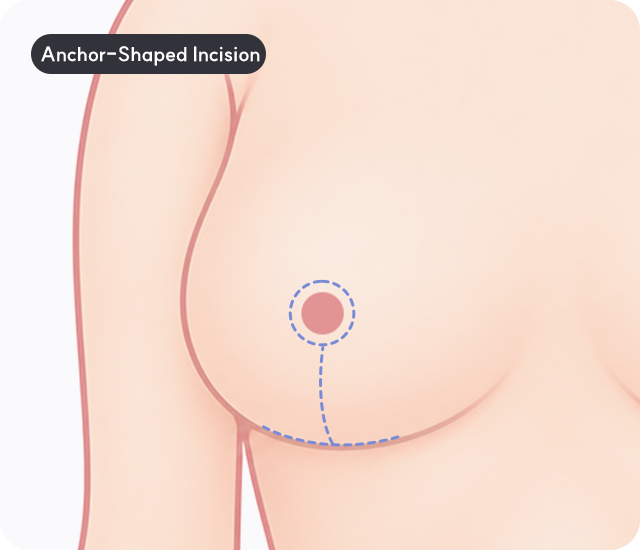
Inverted-T Incision
Suitable for substantial reduction and significant sagging
Allows broader reshaping
This method may be selected when a greater reduction is needed or sagging is pronounced, allowing breast volume and shape to be adjusted together.


GIRIN Plastic Surgery
Board-Certified Plastic Surgeon
Dr. Jeon Ji In Director
- Director, GIRIN Plastic Surgery
- Graduated from Seoul National University College of Medicine
- Board-Certified Plastic Surgeon, Seoul National University Hospital
- Full Member, Korean Society of Plastic and Reconstructive Surgeons
- Full Member, Korean Society for Aesthetic Plastic Surgery
- Full Member, Korean Society for Surgery of the Hand
- Full Member, Korean Cleft Palate-Craniofacial Association
Changsik Park, Ji In Jeon et al.
A smartphone-based teleconsultation system for the management of chronic pressure injuries.
Wound Repair and Regeneration, Vol. 26.
A smartphone-based teleconsultation system for the management of chronic pressure injuries.
Wound Repair and Regeneration, Vol. 26.
Changsik Park, Ji In Jeon et al.
Palmar Ulnar Artery Perforator Free Flap for Fingertip Reconstruction: Anatomical and Clinical Study.
BioMed Research International, 2018.
Palmar Ulnar Artery Perforator Free Flap for Fingertip Reconstruction: Anatomical and Clinical Study.
BioMed Research International, 2018.
Jeongseok Oh, Ji-In Jeon and Seokchan Eun.
Radiation Induced Perineo-Coccygeal Defect Coverage with Latissimus Dorsi Musculocutaneous Free Flap.
Archives of Hand and Microsurgery, 2019.
Radiation Induced Perineo-Coccygeal Defect Coverage with Latissimus Dorsi Musculocutaneous Free Flap.
Archives of Hand and Microsurgery, 2019.
Ji-In Jeon, Jeong Hyun Ha, Sukhwa Kim.
Chondrocutaneous transposition flap for congenital tragal malformation with dystopic cartilage.
Archives of Craniofacial Surgery, 2019.
Chondrocutaneous transposition flap for congenital tragal malformation with dystopic cartilage.
Archives of Craniofacial Surgery, 2019.
GIRIN Breast Reduction POINT
Careful attention from surgery through recovery
Scar Management Program
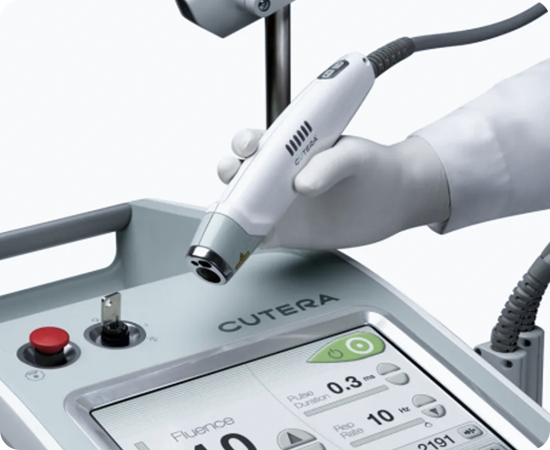
Customized Incision Scar Care
Breast reduction surgery may involve relatively extensive incisions, making regular scar assessment an important part of recovery.
GIRIN evaluates healing progress and may provide scar management treatments, including laser care, according to individual recovery.

Pain Management
The degree of postoperative discomfort varies according to the extent of surgery and individual healing speed.
GIRIN may provide pain-control injections as appropriate and monitors discomfort and recovery during follow-up care.
Safety without compromise
Real-Time Safety System

Real-Time Vital Monitoring
An anesthesiology specialist monitors the patient's vital signs from the beginning of anesthesia until surgery ends.
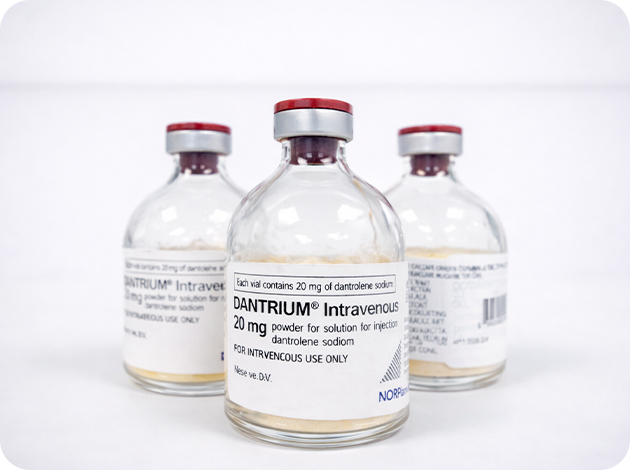
Dantrolene Availability
Dantrolene is maintained to support emergency preparedness for malignant hyperthermia associated with general anesthesia.

AED & Emergency Kit
An automated external defibrillator and emergency equipment are available for unexpected situations.

Uninterruptible Power Supply
Backup power equipment is available to maintain electricity supply during unexpected power interruptions.
Breast Reduction Q&A
Q. Can breast reduction help with shoulder and back discomfort?
Breast reduction may help reduce symptoms related to breast weight, although improvement varies and other causes of discomfort should also be considered.
Q. Will breast reduction leave scars?
Yes. The location and length of scars depend on the incision technique and amount of tissue removed. Scars generally change over time but may remain visible.
Q. How long is the recovery period?
Initial recovery commonly takes several weeks. Swelling, scar changes, and final contour refinement may continue for months.
Q. How is the incision method selected?
The surgeon considers breast volume, skin elasticity, sagging, nipple position, and the desired reduction amount during the in-person consultation.


