





GIRIN
Short Nose
Rhinoplasty
A naturally elongated nose
with a softer, smoother profile.
GIRIN Short Nose Rhinoplasty
We aim to improve the appearance of a short nose by adjusting the nasal length and tip angle to complement each patient's facial proportions.
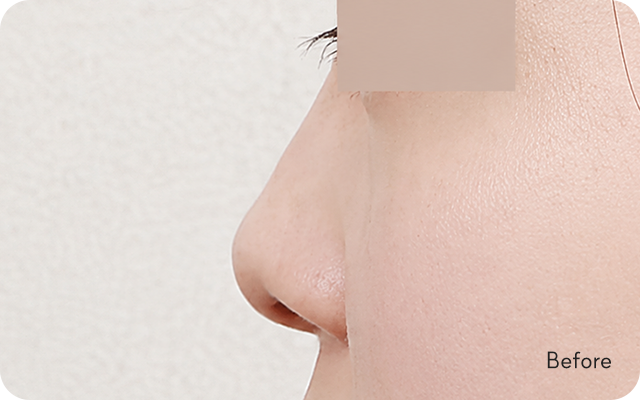
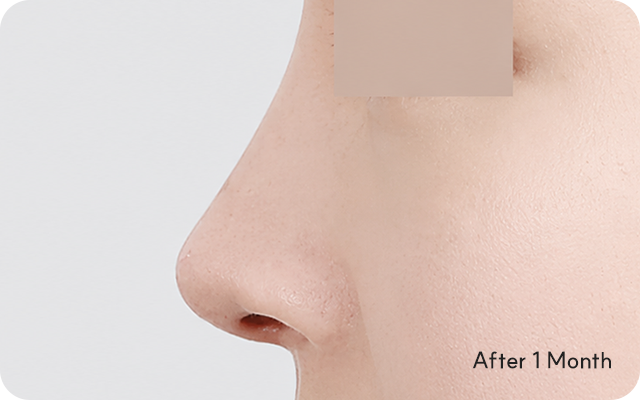
Short Nose Surgical Method
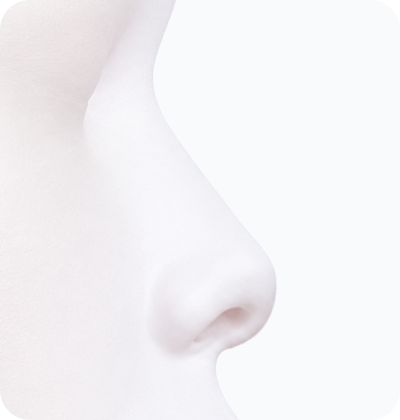
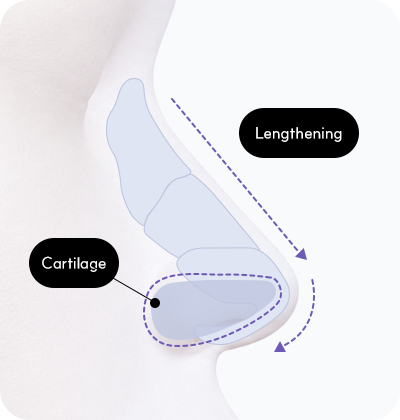
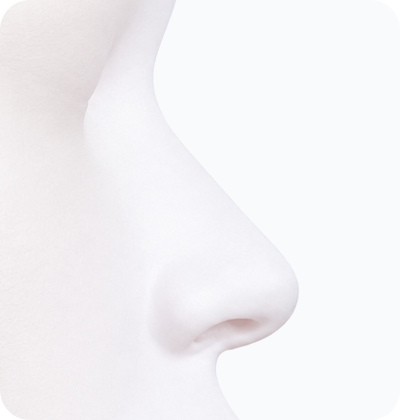
By reinforcing nasal tip support and adjusting the direction
of the upturned tip cartilage, we aim to improve
the length and angle of a short-looking nose naturally.
Rather than simply lengthening the nose,
the appropriate degree of correction is determined
by the available tissue and individual anatomy.
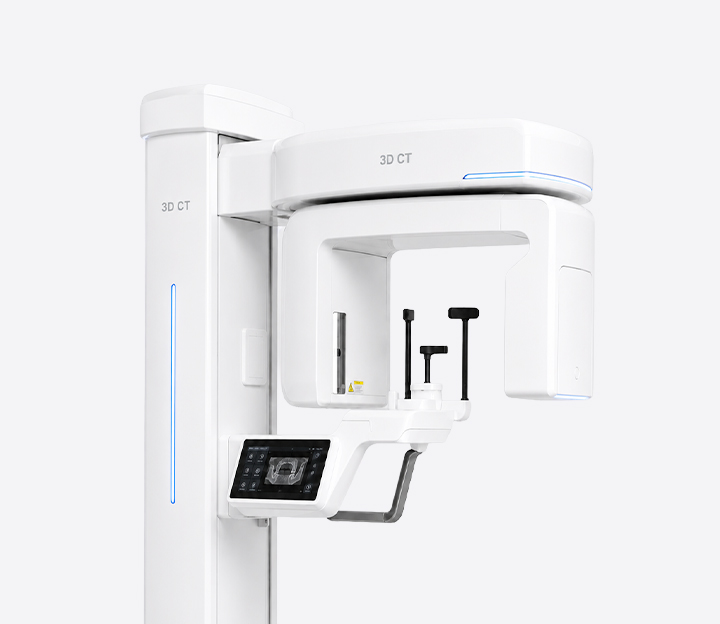
The More Thorough the Examination, the Safer the Planning
3D CT Examination Before Consultation
At GIRIN Plastic Surgery Clinic, 3D CT and X-ray imaging are used to examine the nasal structure and support detailed surgical planning.
✓
Detailed evaluation using 3D CT and X-ray imaging
✓
Analysis of internal nasal anatomy
✓
Assessment of septal deviation,
turbinate hypertrophy,
and nasal structural conditions
✓
Customized surgical planning based
on bone and cartilage structure
Why Is Rib Cartilage Calcification Examination Important?
Before using autologous rib cartilage, GIRIN checks the size and condition of the cartilage through X-ray imaging. This helps identify calcification and plan cartilage harvesting while avoiding unnecessary incisions.
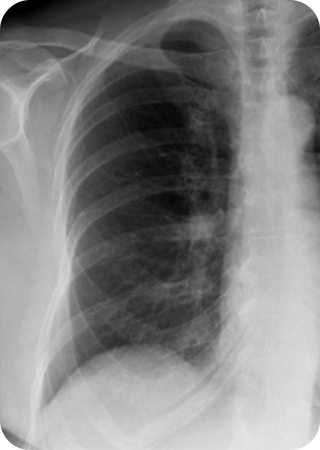
Normal Rib Cartilage X-ray
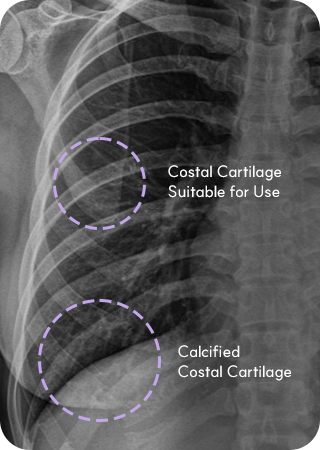
Calcified Rib Cartilage X-ray
GIRIN Short Nose Rhinoplasty Process
Through in-depth consultation and individualized planning based on facial proportions, we carefully identify each patient's needs. Surgery is performed using GIRIN's specialized short nose rhinoplasty techniques.
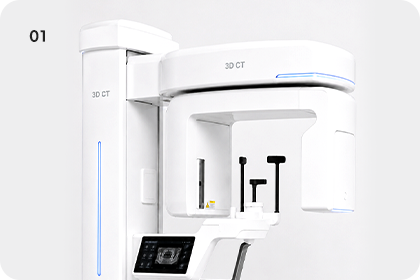
3D CT Imaging
Detailed examination of the nasal structure

One-on-One Consultation
Customized assessment considering facial proportions
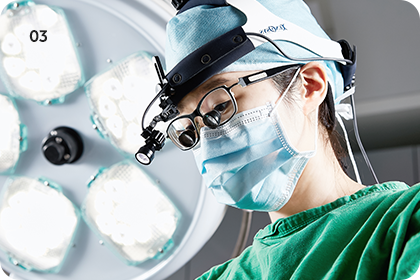
Personalized Surgery
Surgery using GIRIN's short nose rhinoplasty techniques
GIRIN's Standards for Safety
Safety System
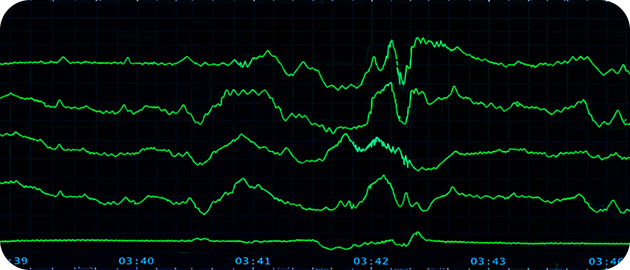
Central Monitoring System
Anesthesiology specialists monitor blood pressure, heart rate, body temperature, and oxygen saturation.

Real-Time Anesthesia Records
Anesthesiology specialists monitor and document the patient's anesthesia condition in real time.
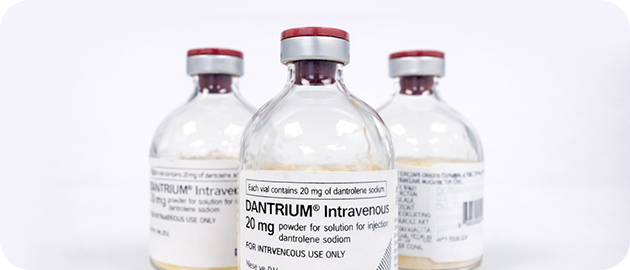
Dantrolene
Emergency medication is maintained for the management of malignant hyperthermia.
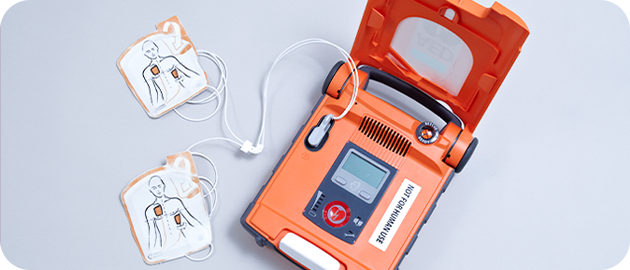
Emergency Defibrillator
Emergency defibrillation equipment is available to support rapid response when necessary.
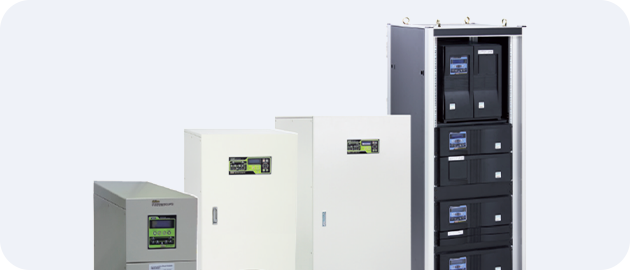
Uninterruptible Power Supply (UPS)
Backup power systems help maintain essential surgical equipment operation during power interruptions.
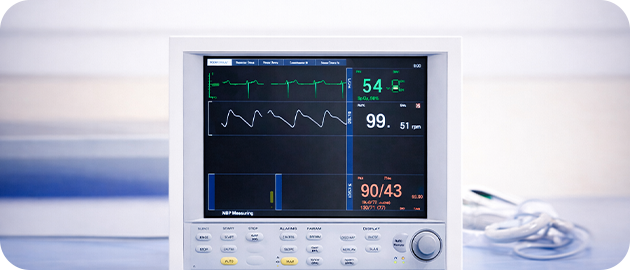
Vital Signs Monitoring System
Monitoring equipment helps the medical team continuously observe the patient's condition during surgery.
Post-Rhinoplasty Precautions
Q. When can I start wearing glasses after rhinoplasty?
Glasses may be worn after consulting your surgeon
approximately two weeks after surgery.
However, since the nasal bones may not yet
be fully stabilized, we generally recommend
waiting at least one month.
Q. When can I return to normal daily activities?
Since the nasal bones may take approximately
one month to stabilize, avoid activities
that could cause pressure or injury to the nose.
Avoid bending your head down and eating
excessively hard foods during the early
recovery period. Light daily activities
may generally be resumed after about one week,
depending on your recovery.
Q. When can I drink alcohol or smoke after rhinoplasty?
Alcohol and smoking may interfere with
healing and increase inflammation-related risks.
We recommend avoiding both for at least
one month after surgery.
Q. How can I reduce swelling and bruising after rhinoplasty?
Swelling and bruising are common after surgery.
Applying cold compresses as instructed
and taking light walks may help
support the recovery process.


