



GIRIN
Revision
Rhinoplasty
Reassess the cause.
Redesign the nasal structure.
Revision Rhinoplasty Begins with Accurate Diagnosis
GIRIN Revision Rhinoplasty
We carefully analyze the concerns from previous surgery and the current nasal structure to create a revision plan that addresses the underlying cause rather than simply changing the shape again.
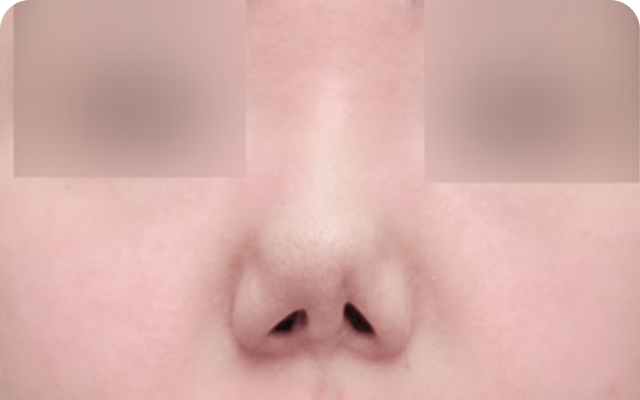
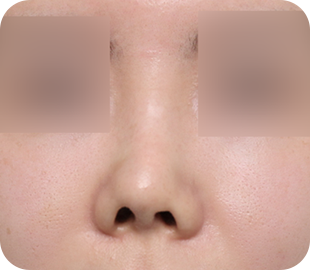
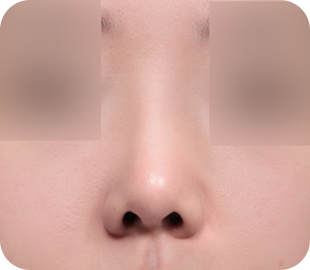
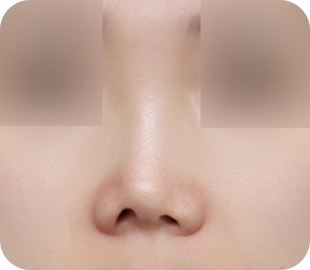
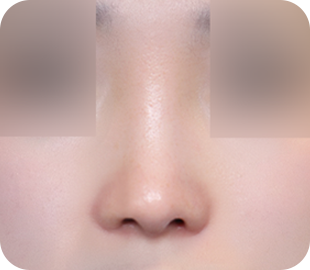
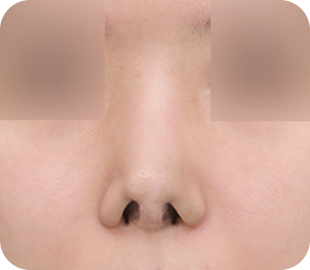
Before | Contracted Nose Deformity
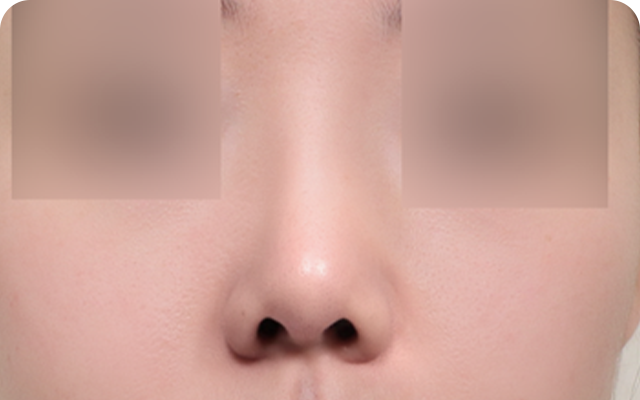
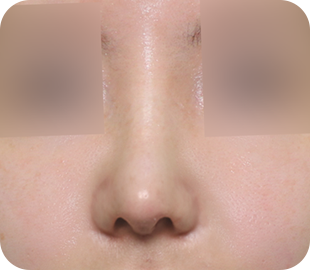
After | Naturally Refined Nasal Tip Line
Revision Rhinoplasty Designed Around the Cause

Individualized Revision Plan
A customized surgical plan is created after reviewing the previous surgery and each patient's individual concerns.
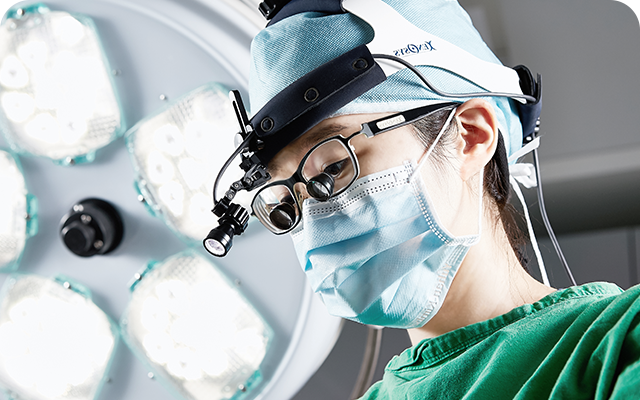
High-Difficulty Revision Surgery
Precise reconstruction is planned based on the altered nasal anatomy and tissue condition.

Bridge & Tip Line Re-Correction
The nasal line is redesigned while considering soft tissue and the existing nasal structure.
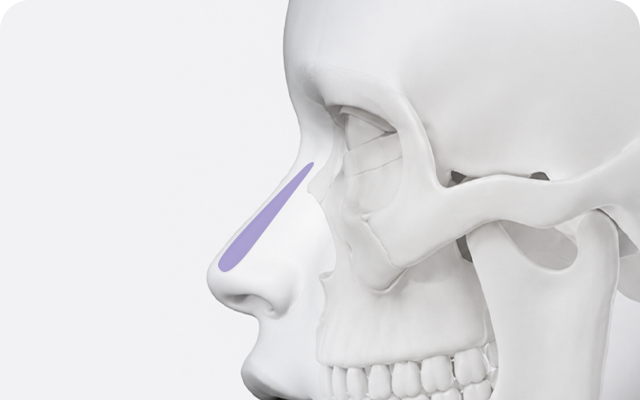
Implant Removal
Revision is planned after evaluating the existing implant and the condition of the surrounding tissue.

Natural Nose Line Redesign
A smoother bridge-to-tip line is created for a more natural-looking result.

Facial Balance Design
The nasal line is customized according to facial proportions and overall appearance.
Revision Rhinoplasty,
Different from the
Diagnosis
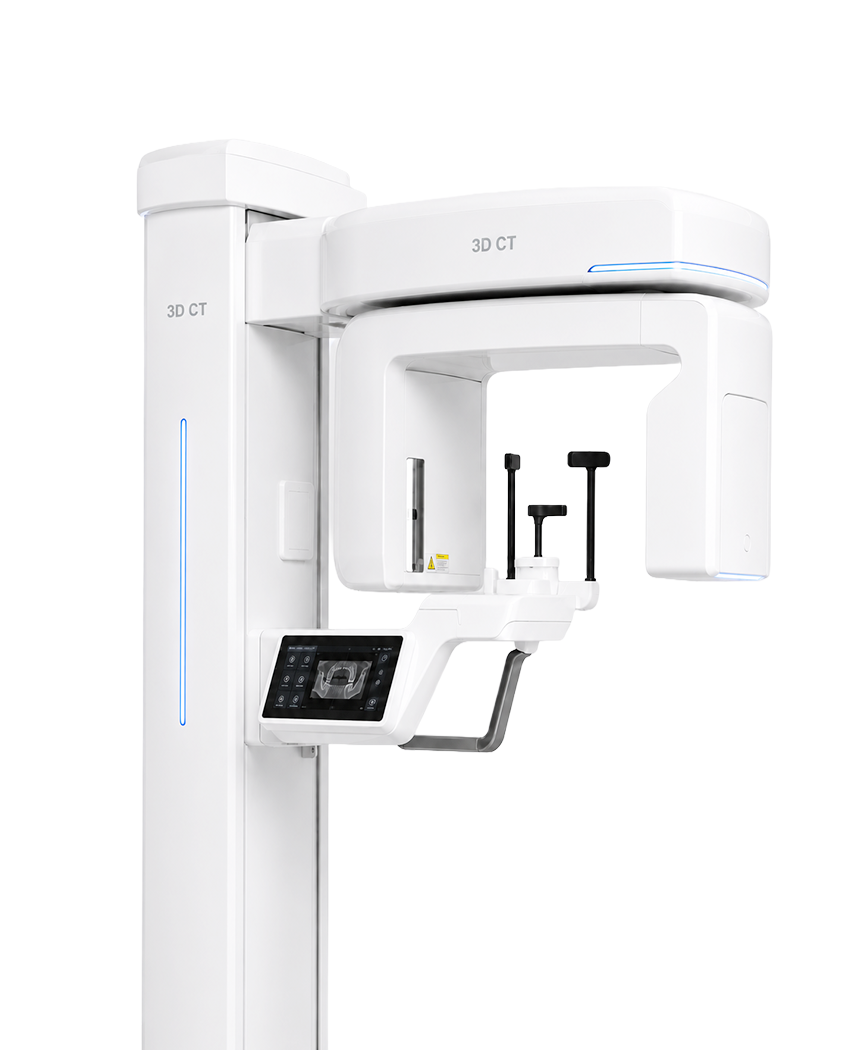
Structural Analysis Based on 3D CT
Before revision surgery, GIRIN uses 3D CT and X-ray imaging to evaluate internal nasal anatomy, septal condition, changes caused by previous surgery, and the current structure before establishing a revision plan.
✓
Detailed evaluation using
3D CT and X-ray
✓
Anatomical
structural analysis
inside the nose
✓
Evaluation of septal deviation, rhinitis,
turbinate enlargement and
current nasal condition
✓
A
customized revision plan
considering bone and soft tissue
GIRIN Revision Rhinoplasty
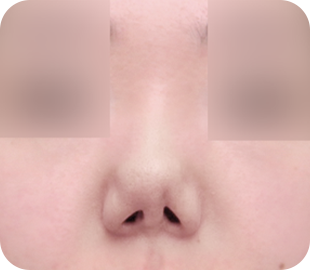
Before & After
 Before
 After
 Before
 After
 Before
 After
 Before
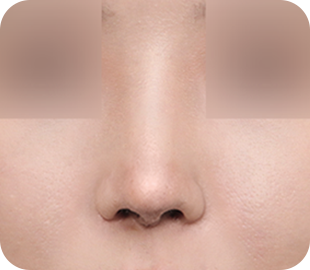 After
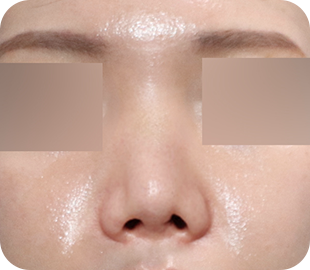 Before
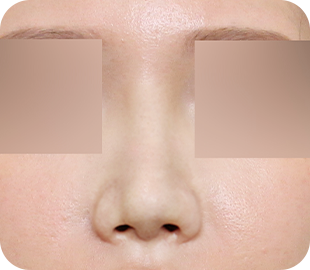 After
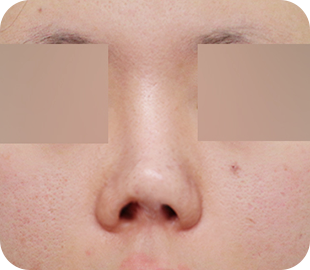 Before
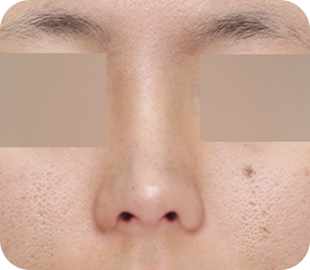 After
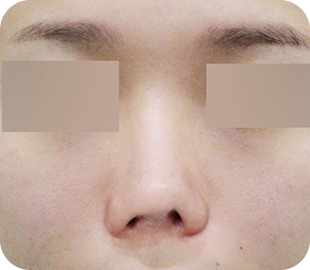 Before
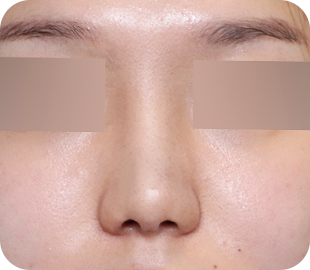 After
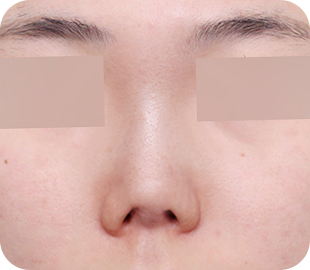 Before
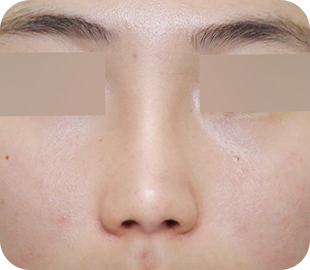 After

Analyzing the Cause with Precision
GIRIN Revision Rhinoplasty
✓
Accurate evaluation of the current nasal condition
using
3D CT and X-ray
✓
Analysis of internal tissues and
changes caused by previous surgery
✓
A
harmonious nasal line
designed with the entire face in mind
✓
Dedicated care from consultation
through postoperative follow-up
GIRIN Revision Rhinoplasty Process
Through in-depth consultation and individualized design, we carefully identify the patient's needs and facial proportions before proceeding with revision surgery using GIRIN's specialized rhinoplasty techniques.
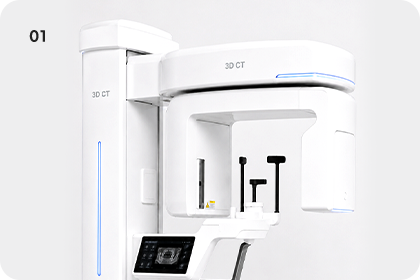 01
Detailed evaluation with 3D CT imaging to accurately understand the current structure
 02
A 1:1 customized surgical assessment considering facial proportions
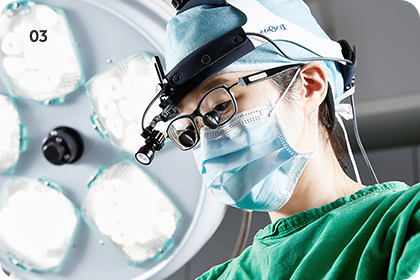 03
Revision surgery performed using GIRIN's specialized rhinoplasty techniques
GIRIN Plastic Surgery Clinic's Standard for Safety
Safety System
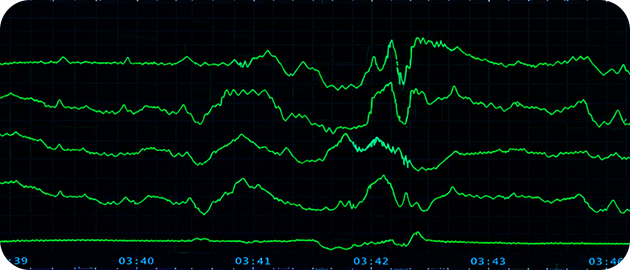
Central Monitoring System
An anesthesiology specialist continuously monitors blood pressure, heart rate, body temperature, blood oxygen saturation and other vital signs.

Real-Time Anesthesia Records
The patient's anesthesia status is continuously monitored and recorded in real time throughout surgery.
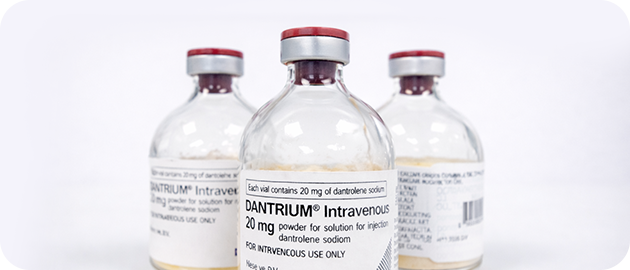
Dantrolene
Dantrolene is kept available to allow prompt response in the rare event of malignant hyperthermia during general anesthesia.
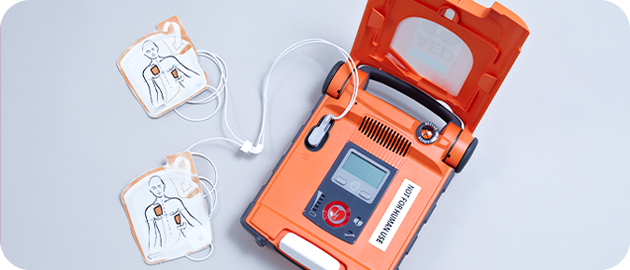
Defibrillator
A defibrillator and emergency equipment are maintained on site for immediate response when necessary.
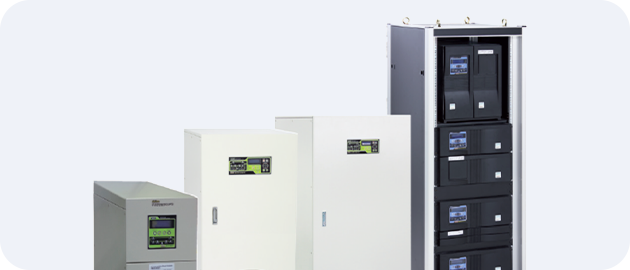
Uninterruptible Power Supply (UPS)
A backup power system is installed to support safe continuation of surgery during an unexpected power outage.
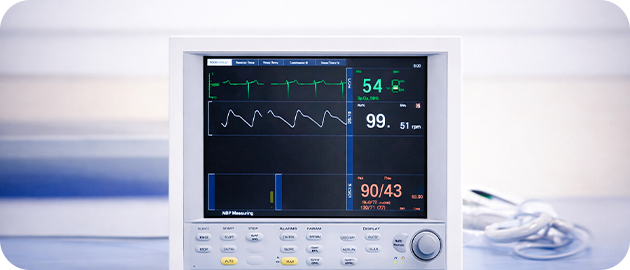
Patient Monitor & End-Tidal CO₂ Monitoring
Continuous respiratory and vital-sign monitoring helps identify abnormalities promptly so the medical team can respond immediately.


