




Rippling
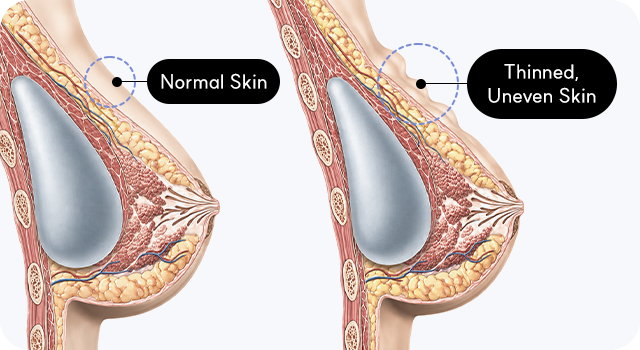
Visible or Palpable Implant Edges
Rippling may occur when soft-tissue coverage is thin or the implant becomes visible through the skin. The approach depends on tissue thickness, implant characteristics and the patient's anatomy.

GIRIN Plastic Surgery
Reassessing the cause. Planning a more personalized revision.
Specialist-Led Breast Revision
Breast revision surgery involves more than replacing an implant. Existing skin, scar tissue, breast shape, implant position and surrounding tissues all need careful assessment.
We focus on understanding the cause of the concern and creating an individualized surgical plan.
Experience and Responsibility

The same symptom can have different underlying causes. Our surgical planning considers the original implant, pocket, skin, capsule and tissue condition.
From consultation through surgery and recovery, we aim to provide a carefully coordinated approach.

Breast revision does not end when surgery is complete. Follow-up and monitoring are important parts of the process, with recommendations tailored to the patient's condition.
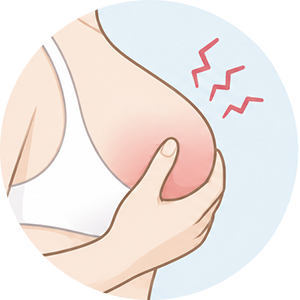
Breasts that become firm, distorted or uncomfortable.
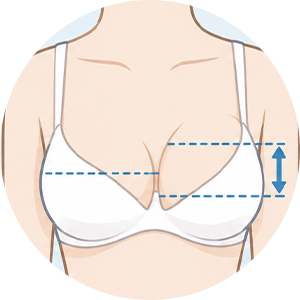
Differences in position, shape or size.
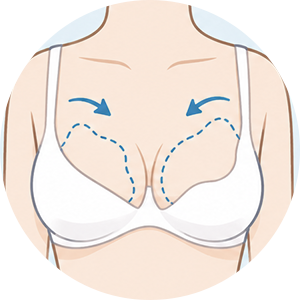
A result that differs from the desired shape.
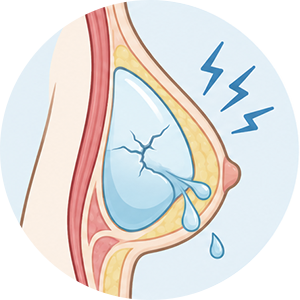
Suspected or confirmed implant damage.
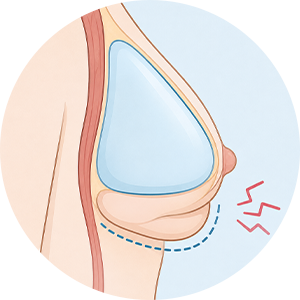
An implant position or lower breast contour concern.
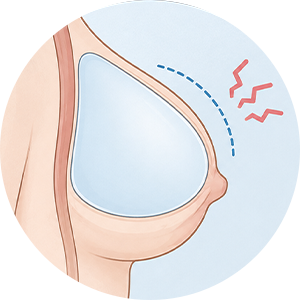
An upper breast contour that appears unnatural.
When medically appropriate, revision is often considered after tissues have stabilized, commonly around 6–12 months after the initial procedure. Certain complications may require earlier evaluation.
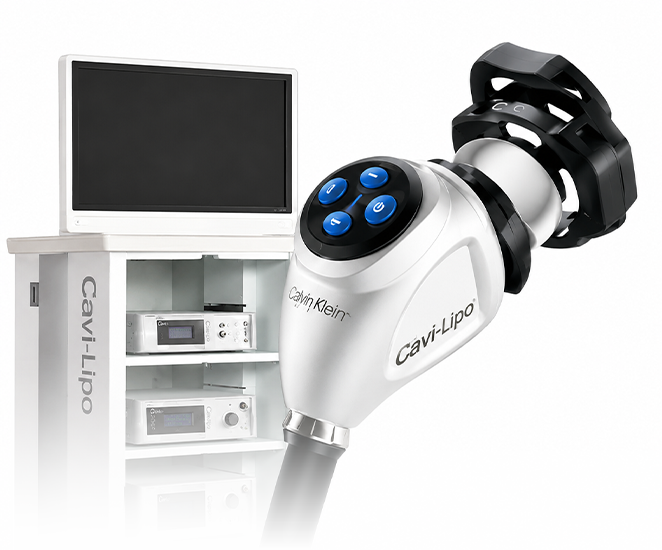
Revision surgery may require careful assessment of existing implants, capsule and surrounding tissues. Endoscopic visualization may help the surgeon examine selected areas more precisely when appropriate.
Rippling may occur when soft-tissue coverage is thin or the implant becomes visible through the skin. The approach depends on tissue thickness, implant characteristics and the patient's anatomy.
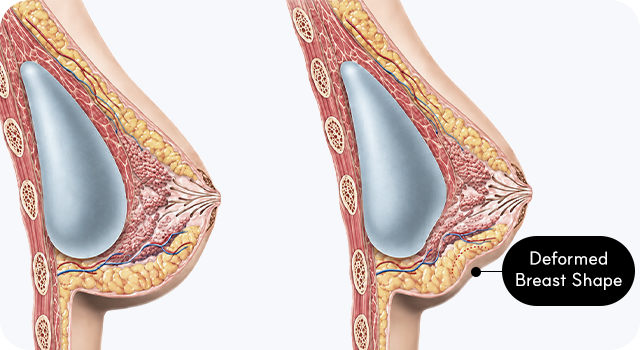
Capsular contracture can change breast firmness and shape. Revision may involve capsule treatment, implant replacement or pocket adjustment depending on the findings.
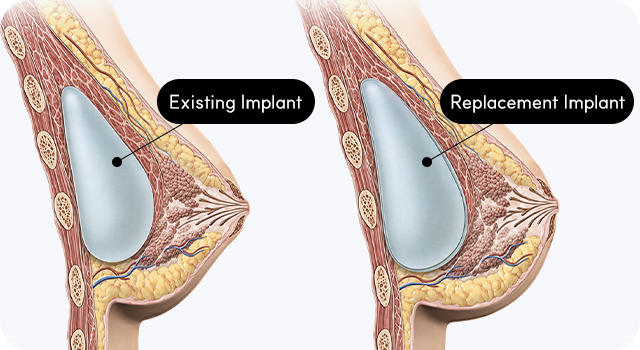
When a larger size is desired, existing tissue and pocket dimensions are evaluated to determine an appropriate option.
When reducing implant size, the surgeon also considers skin elasticity and whether additional contour adjustment may be needed.
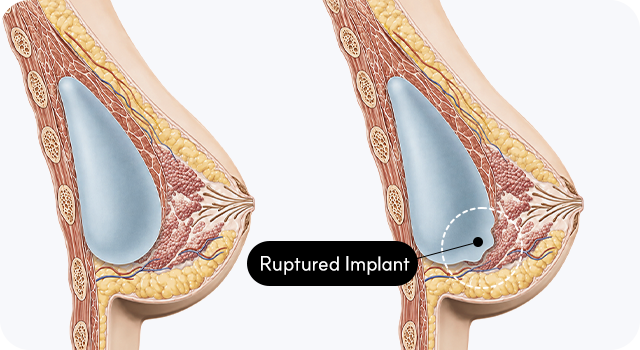
The condition of the implant and surrounding capsule is assessed to determine an appropriate removal and replacement plan.
When silicone has extended beyond the capsule, management is based on examination, imaging and the affected tissue.
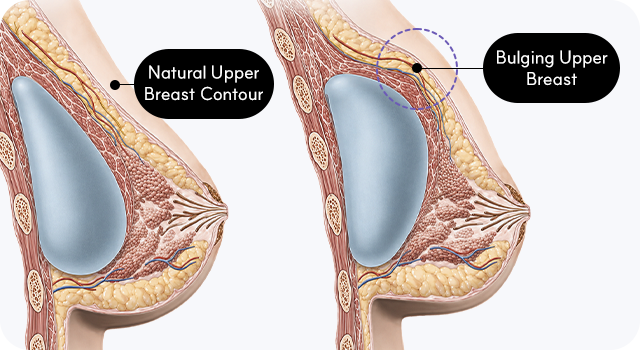
Persistent upper fullness may be related to implant position, pocket characteristics or tissue shape. The revision approach is selected after identifying the underlying cause.
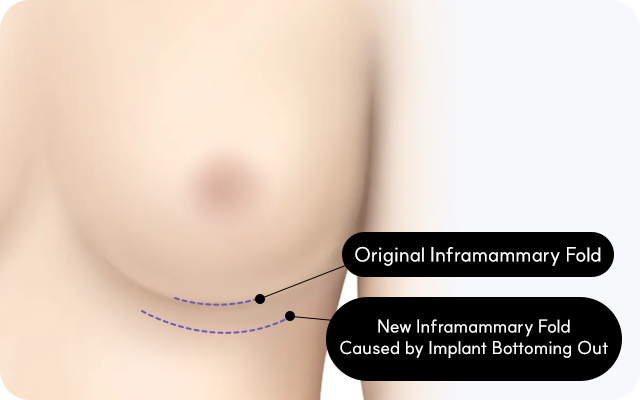
When an implant settles too low, revision may involve modifying the pocket and reinforcing support where needed.
Address the Cause, Not Just the Appearance
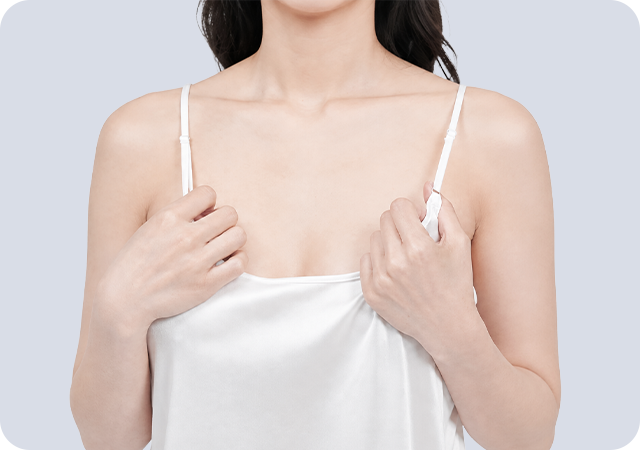
Before: Concerns about breast shape or firmness

Goal: A contour suited to the patient's anatomy
Breast revision may involve changes to the implant, capsule, pocket or surrounding tissues. The final technique depends on a detailed consultation and examination.
The incision approach depends on the existing scar, implant and revision requirements.
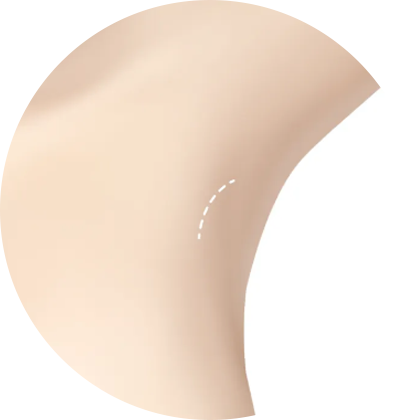
Incision through the underarm when suitable.
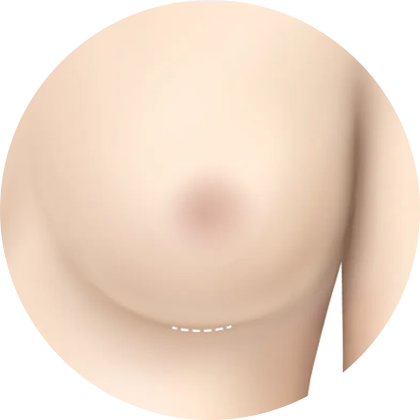
Incision along the breast fold.
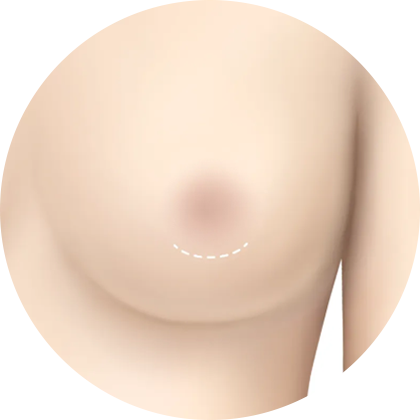
Incision near the areolar border when appropriate.
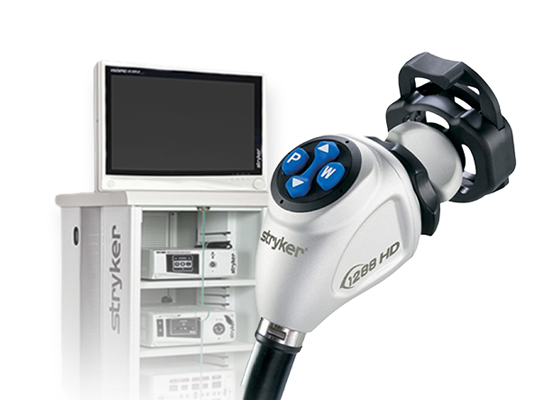
Detailed visualization may support careful dissection when clinically indicated.
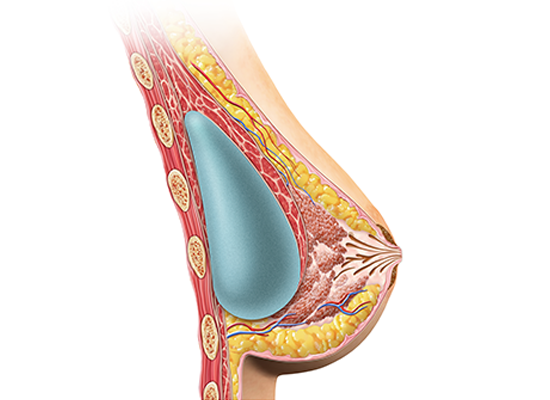
Pocket selection and tissue coverage are considered according to the patient's anatomy.
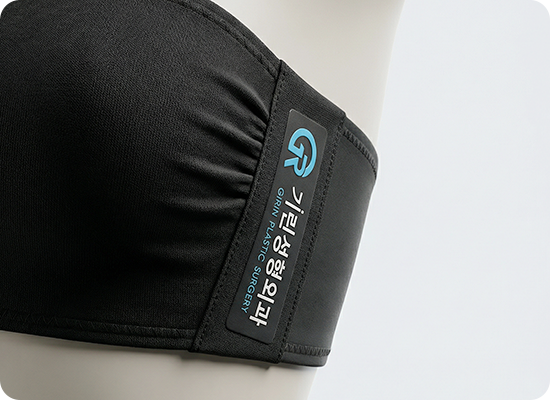
Postoperative support is recommended according to the surgical plan.
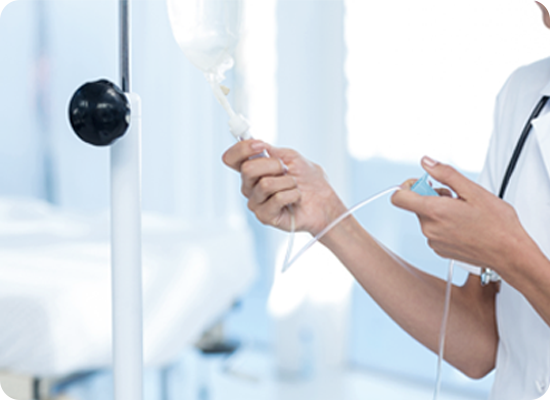
Follow-up and supportive care are adapted to recovery needs.
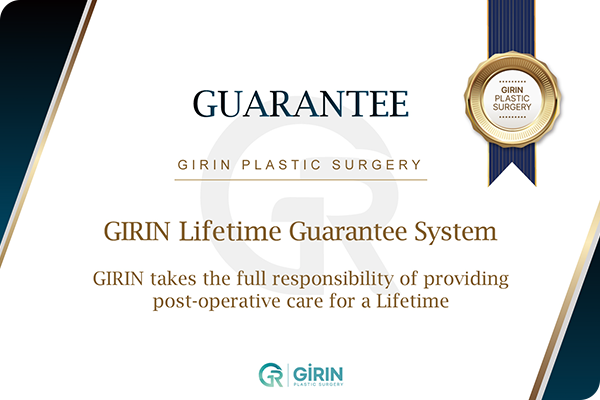
Our team provides follow-up guidance and evaluation based on the patient's recovery and the clinic's applicable care policies.
Supportive treatments and follow-up visits are planned based on individual needs.
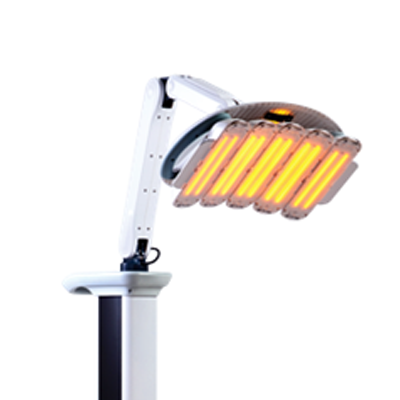
Supportive skin recovery care.
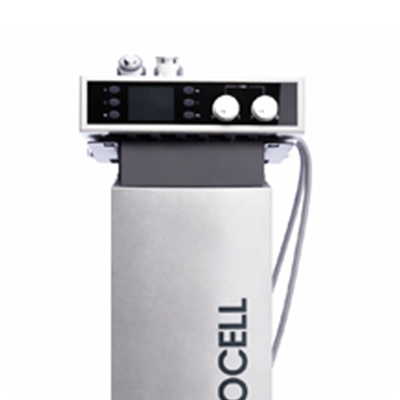
Cooling care when appropriate.
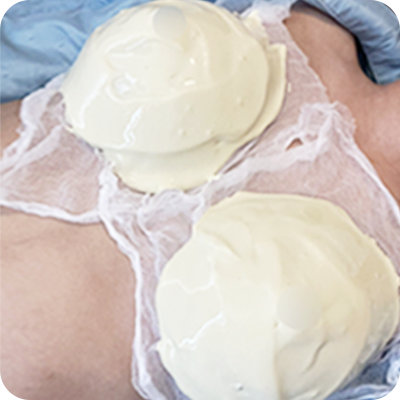
Moisturizing and comfort-focused care.
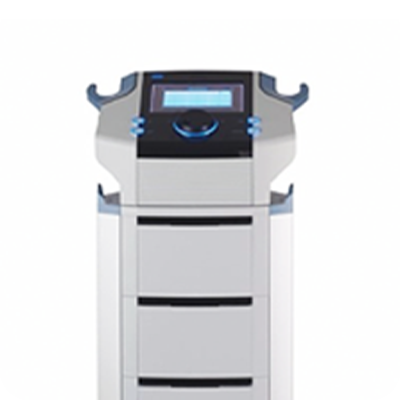
Additional supportive care as indicated.
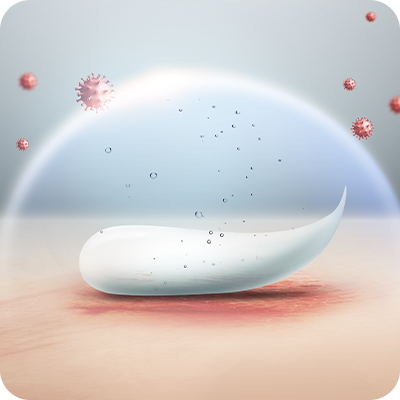
Individualized skin and scar management.
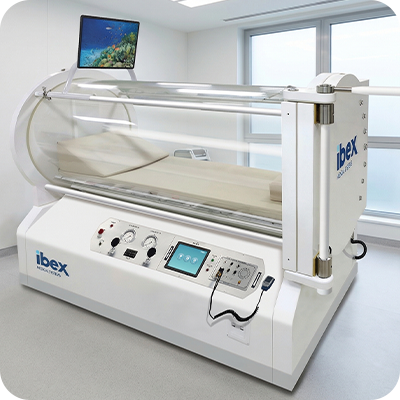
Additional postoperative recovery support when appropriate.
Scar care
Support band, if prescribed
Scar ointment as directed
LED recovery care
Breast mask, if appropriate
Recovery treatment
LED care
Cryotherapy, if appropriate
Recovery treatment
LED care
Breast mask, if appropriate
Recovery treatment
LED care
Individualized postoperative care based on healing and clinical needs
The schedule is illustrative. Treatments and timing are determined by the surgical team.
Safety at Every Stage
Equipment and monitoring support are available as part of our surgical safety protocols.
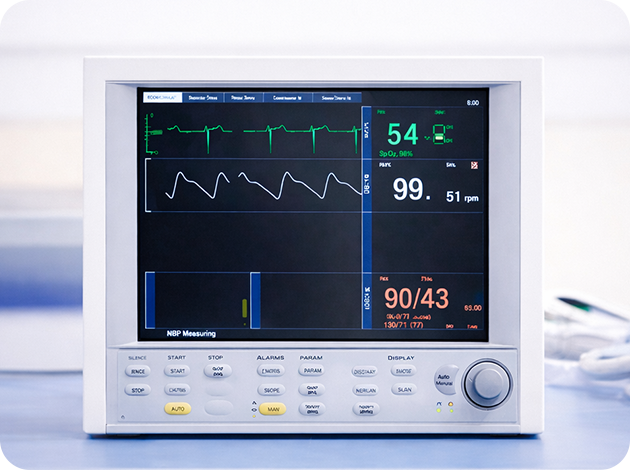
Vital signs are monitored throughout surgery.
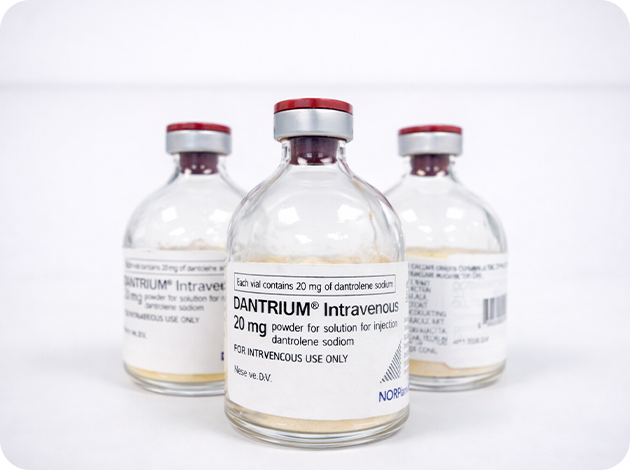
Emergency medication is maintained for appropriate clinical situations.

Emergency response equipment is available on site.
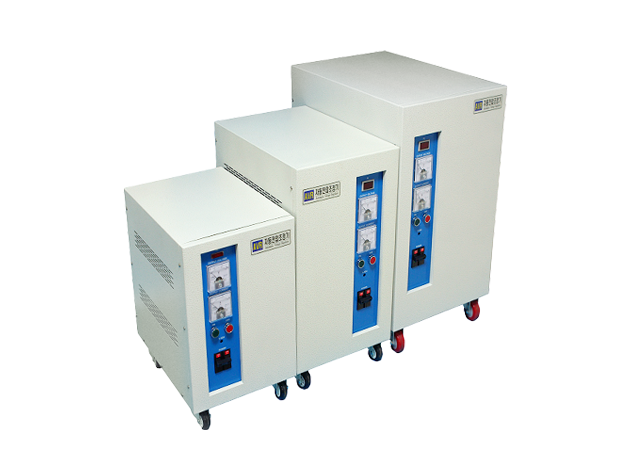
Backup power systems support continuity of essential equipment.
Many patients are advised to wait until the tissues have stabilized, often 6–12 months after the original operation. However, suspected rupture, significant contracture, infection or other complications may require earlier medical assessment.
No. The plan depends on the cause of the concern. Options may include implant exchange, capsule management, pocket adjustment or other procedures based on examination and imaging.
Revision may improve certain types of asymmetry, but the achievable result depends on breast anatomy, tissue condition and prior surgery. Perfect symmetry cannot be guaranteed.
Revision can be more complex because scar tissue, implant pockets and tissue elasticity may have changed. A careful evaluation helps determine the safest appropriate approach.
Recovery varies by the revision performed. Your surgeon will explain the expected activity restrictions, follow-up schedule and healing timeline after reviewing your individual case.


