



STEP 01Detailed Nasal Structure Analysis
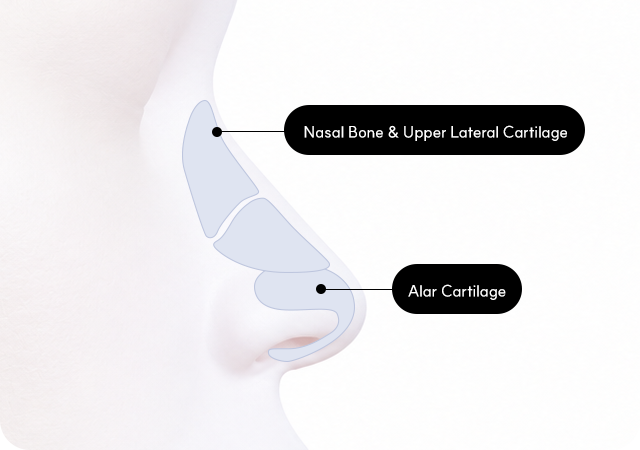
3D CT imaging helps evaluate the nasal bridge, tip, and internal anatomy to plan the appropriate correction.

A natural-looking nose using your own tissue,
without synthetic implants.
Reducing the Need for Artificial Implants
GIRIN uses autologous tissue such as cartilage and fascia to support and reshape the nose without silicone implants. Our approach considers the existing nasal structure, the required degree of correction, and each patient’s individual needs.
Designed Around Your Own Nasal Anatomy
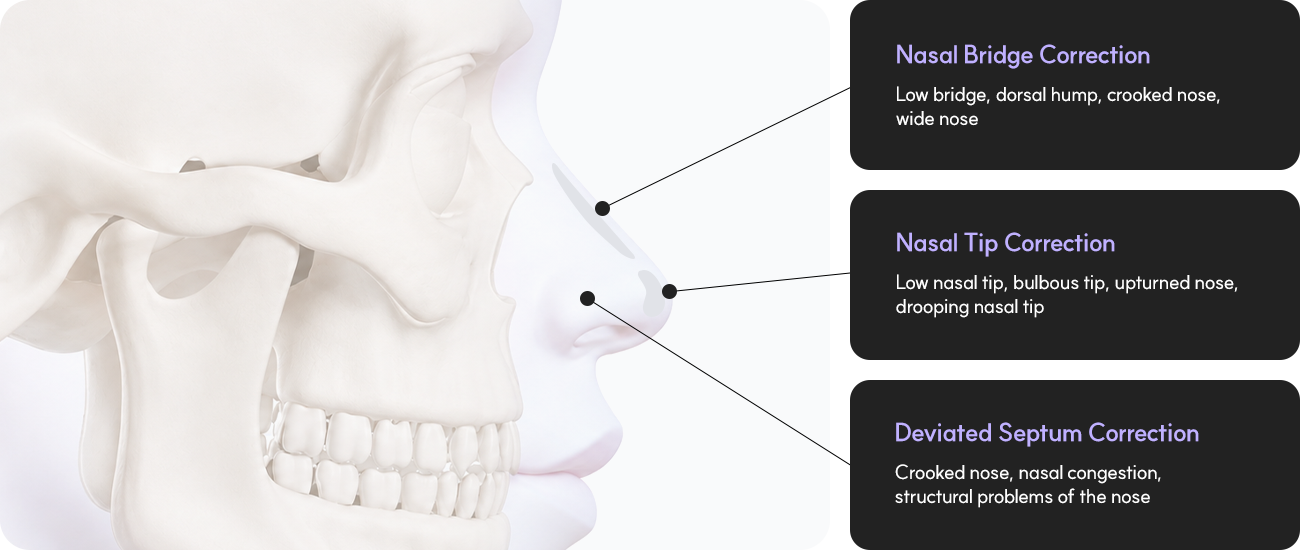
3D CT imaging helps evaluate the nasal bridge, tip, and internal anatomy to plan the appropriate correction.
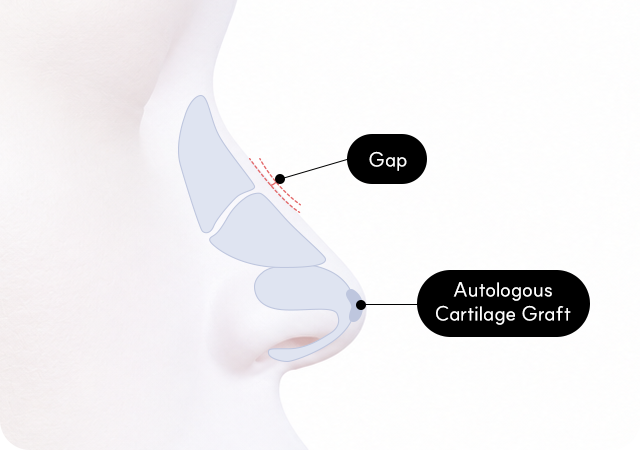
Cartilage from the patient’s own body may be used to adjust the nasal bridge.
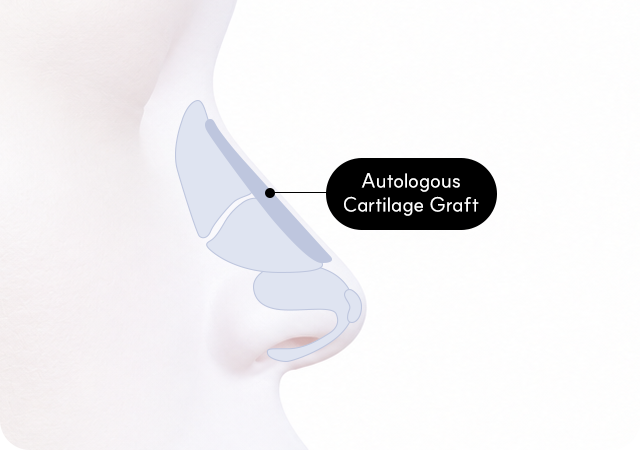
Autologous cartilage may be used to reinforce areas requiring additional support.
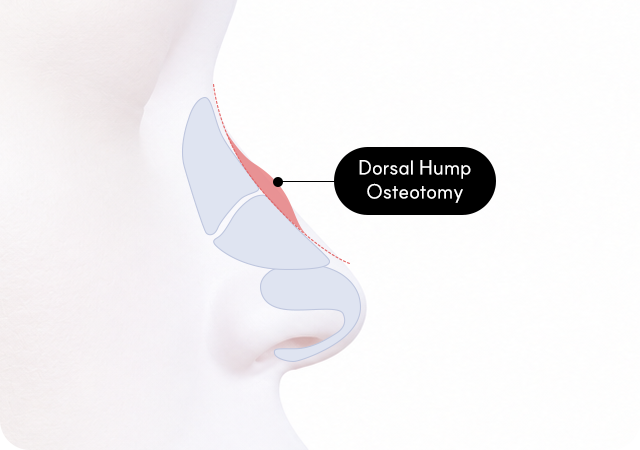
The surgical technique is selected according to the existing anatomy and individual goals.
GIRIN Implant-Free Rhinoplasty
The type of autologous tissue is selected according to your nasal anatomy and the amount of correction needed.
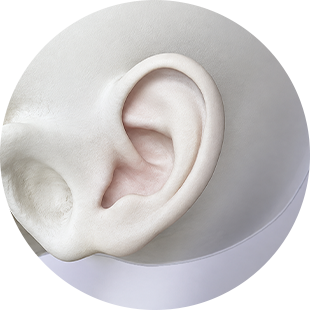
Flexible cartilage that can be used to shape or support selected nasal areas.
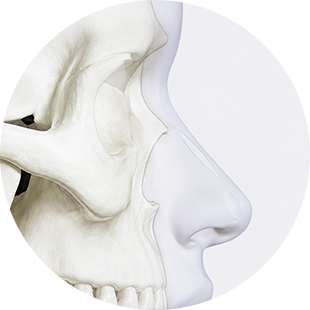
Cartilage from within the nose that can provide structural support.
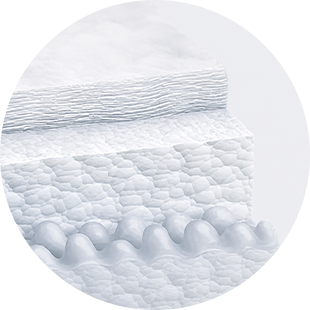
Soft tissue that may be used to cover or smooth selected areas.
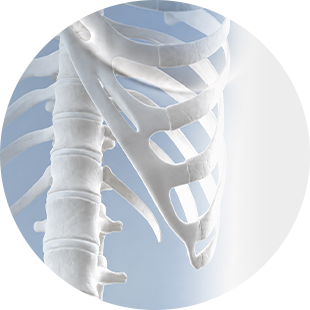
May be considered when greater structural support or cartilage volume is required.
A technique that may use finely processed autologous cartilage to adjust selected areas of the nasal bridge, when clinically appropriate.
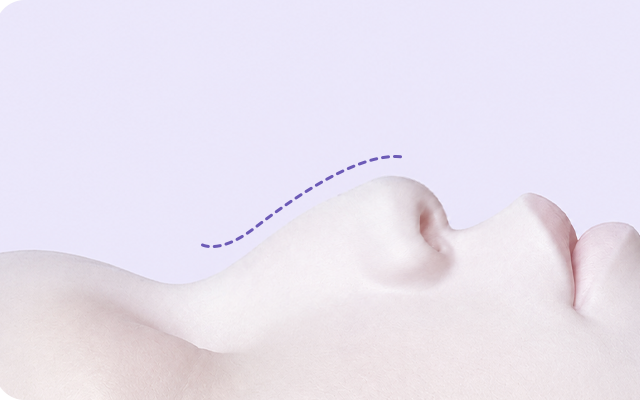
The area is assessed and the required amount of cartilage is estimated.
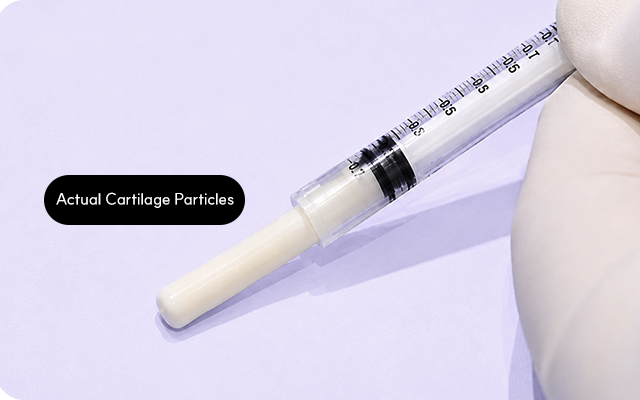
Harvested cartilage is processed into very small particles.
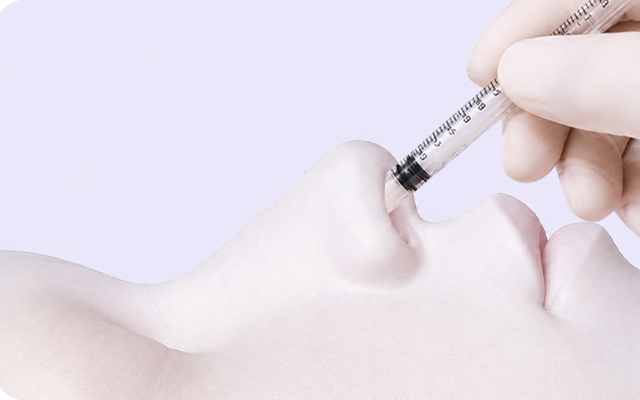
Processed cartilage is carefully placed in the planned area according to the surgical approach.
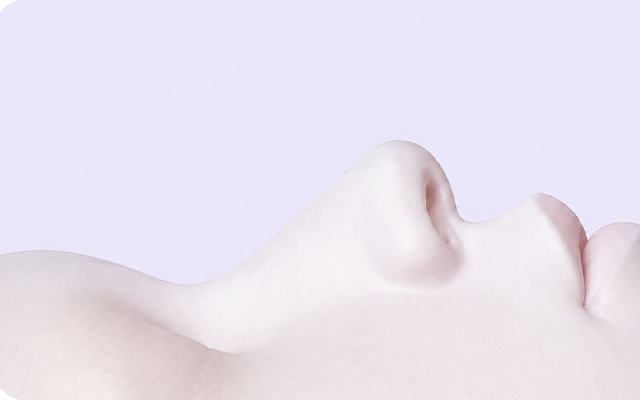
Minimal visible scarring, with the aim of maintaining a natural-looking nasal shape and contour over time. Results and healing vary by patient.
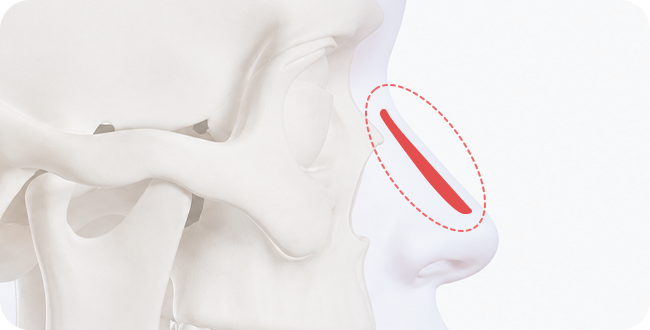
As with other implanted materials, silicone implants can be associated with complications such as inflammation, infection, extrusion, or changes in appearance. Implant-free rhinoplasty avoids a synthetic nasal implant, although surgery using autologous tissue still carries risks and requires careful planning.
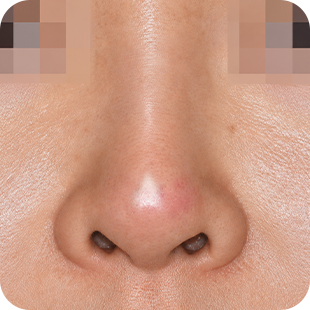
✓ Implant visibility through thin skin
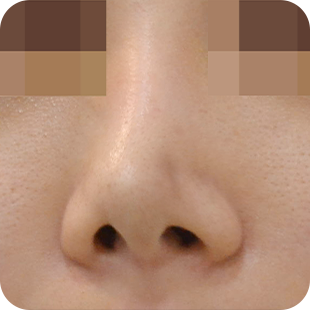
✓ Contracture or nasal shape changes
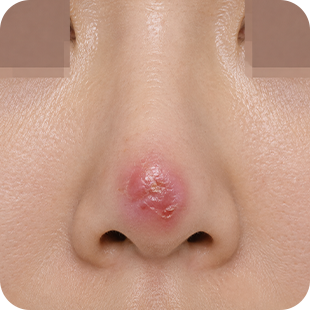
✓ Inflammation or infection
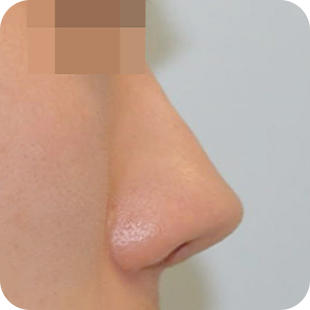
✓ Unnatural nasal contours
Customized Solutions for Different Nasal Concerns
Our surgical plans consider each patient’s anatomy, aesthetic goals, and the degree of correction required.
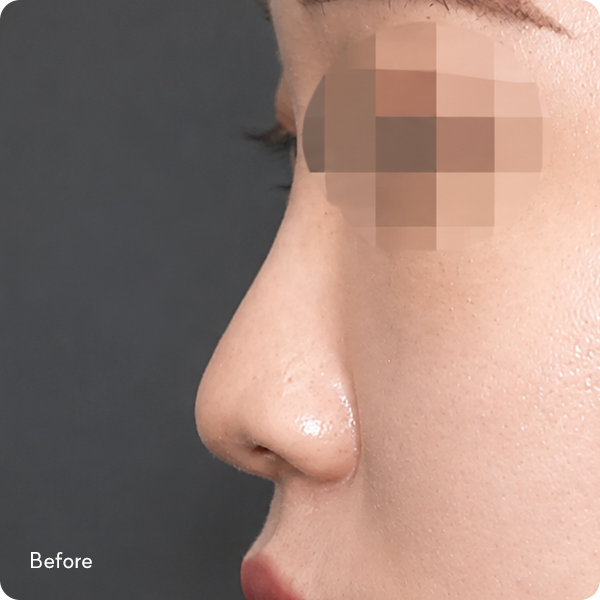
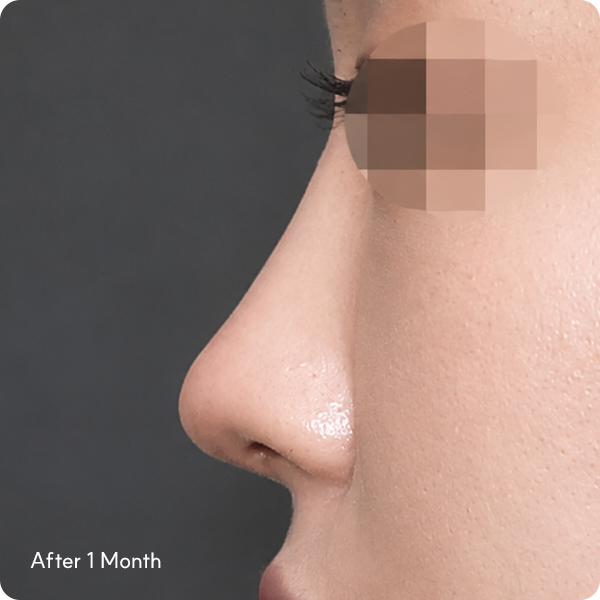
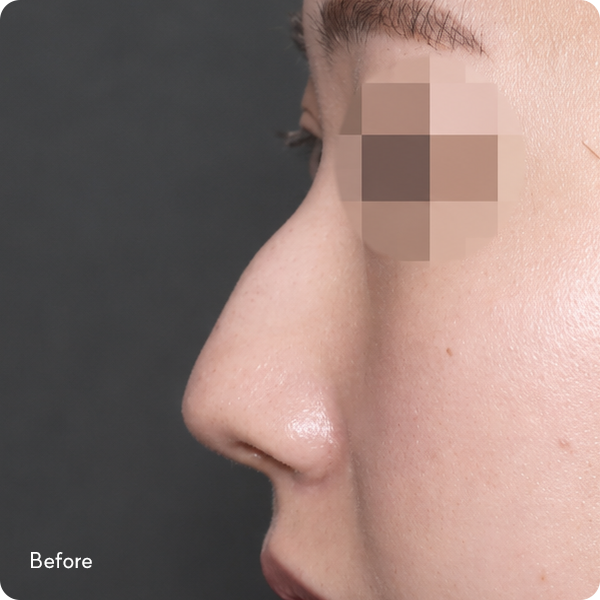
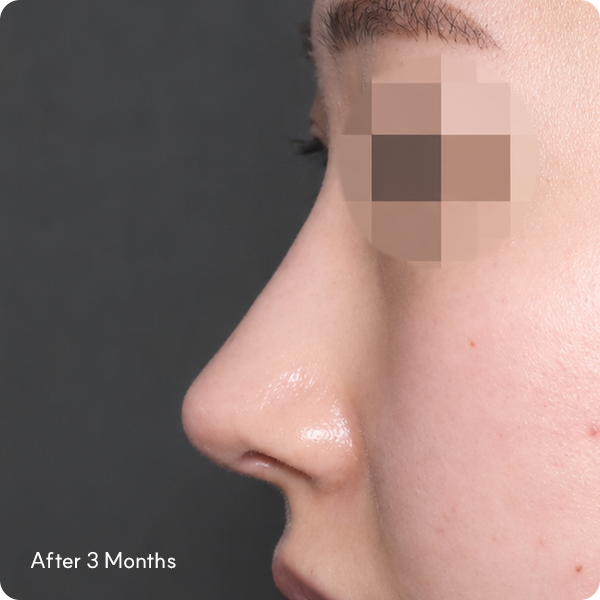
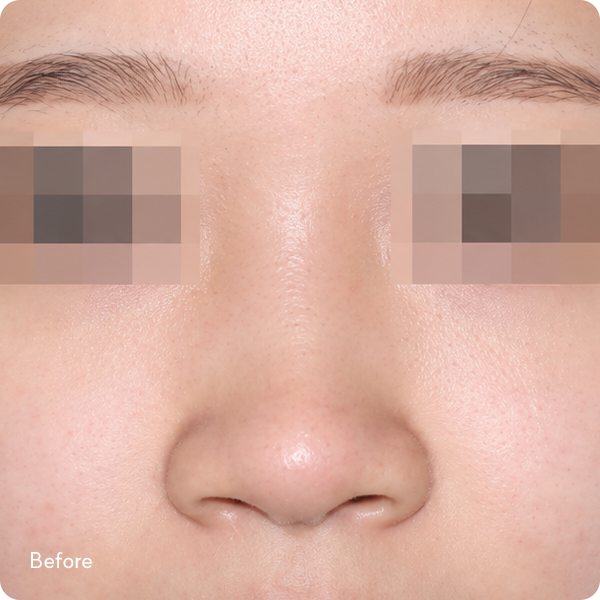
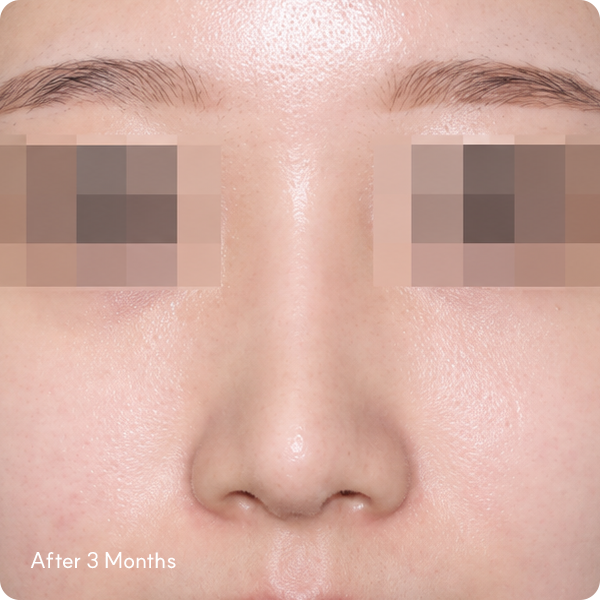
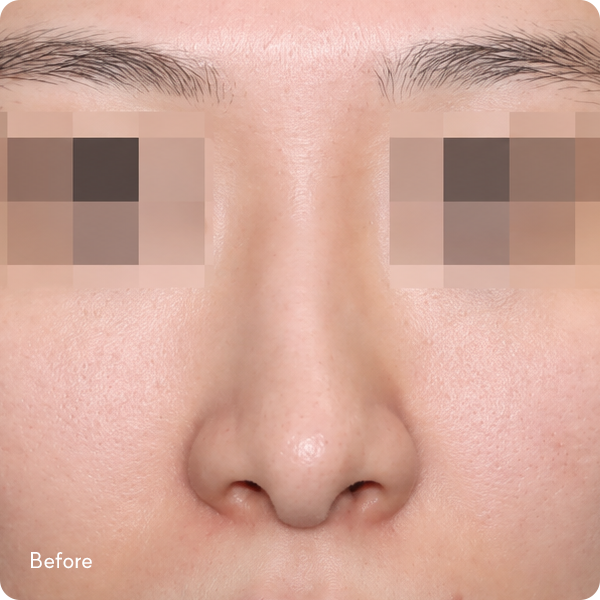
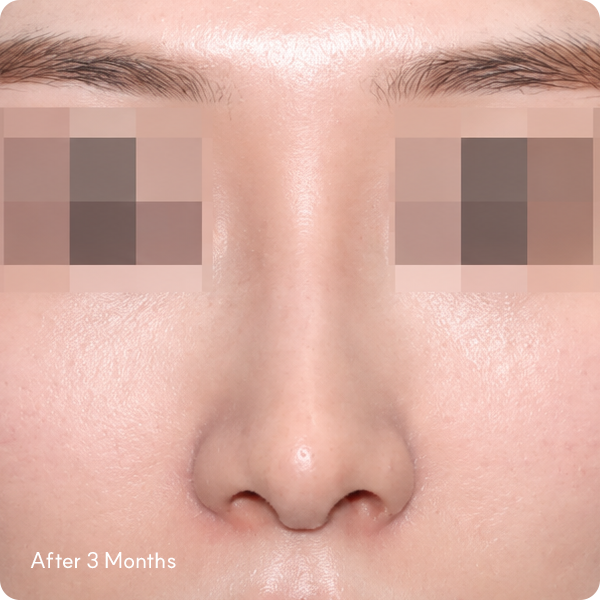
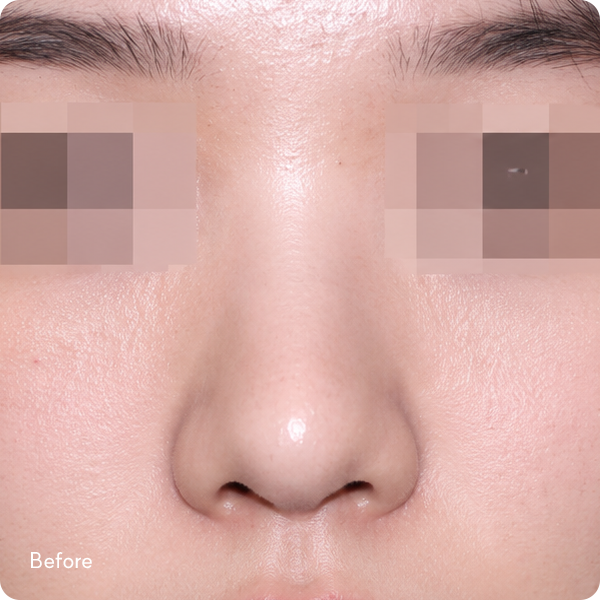
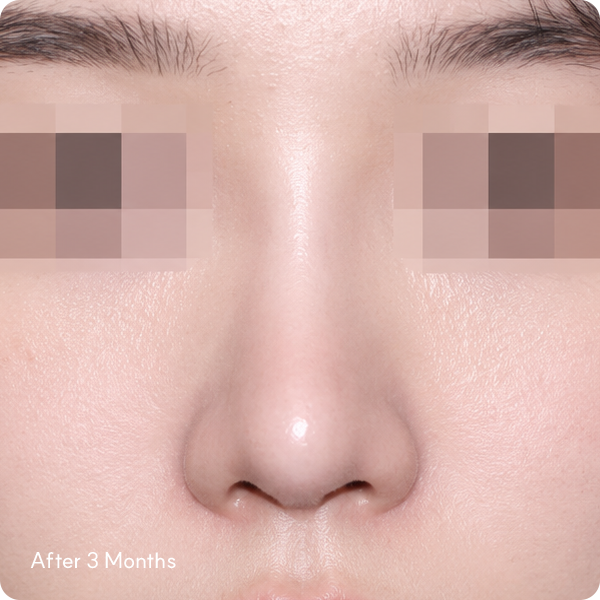
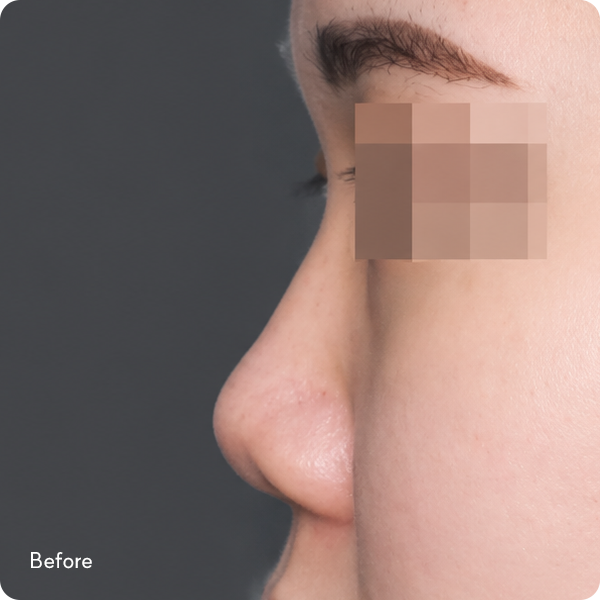
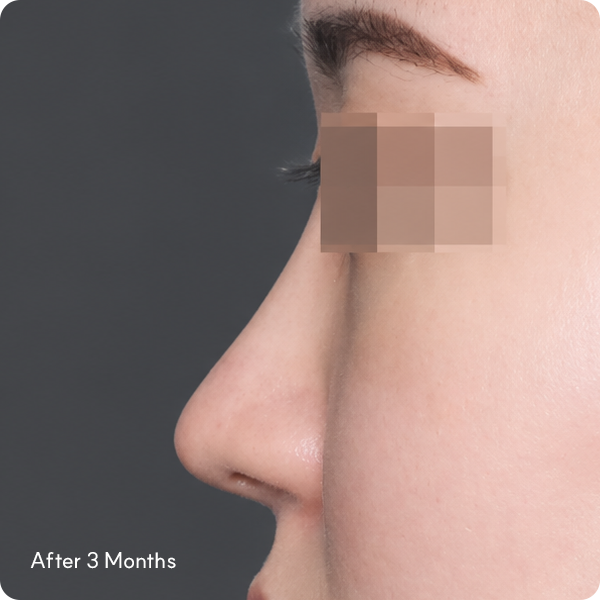
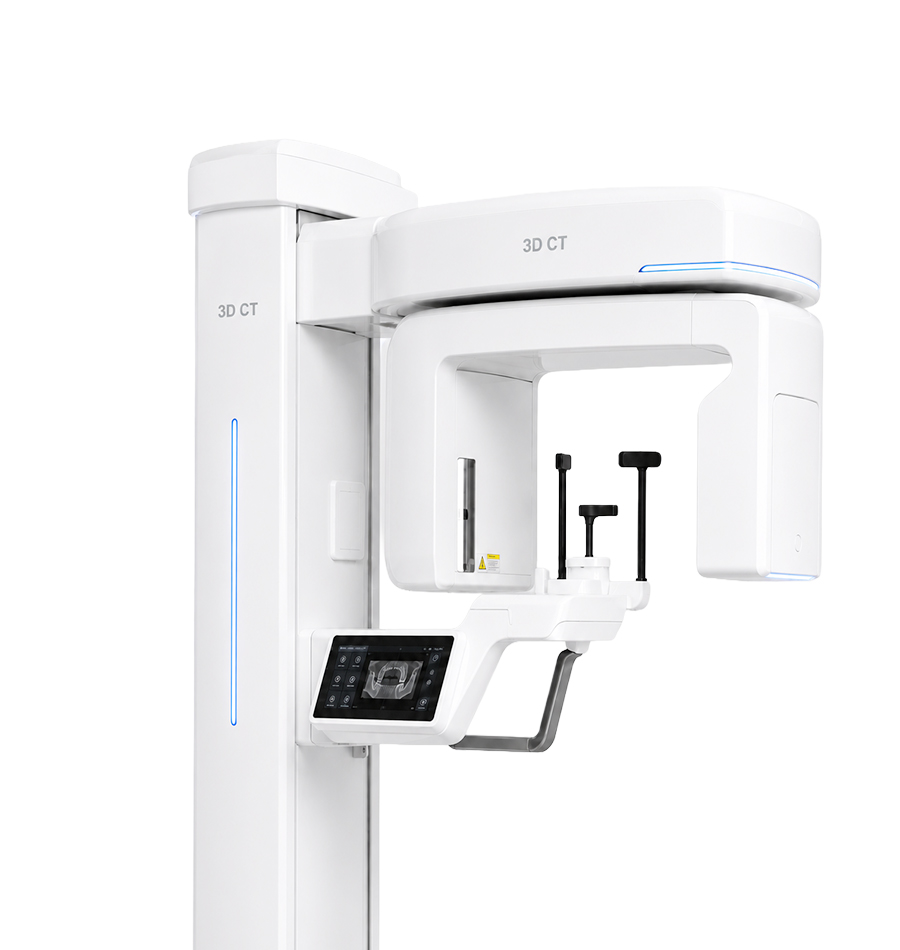
GIRIN uses 3D CT and X-ray imaging to examine nasal anatomy and support individualized surgical planning.

Reducing Dependence on Artificial Implants
✓Reduced reliance on synthetic nasal implants
✓Uses suitable tissue from your own body
✓Individualized correction of the necessary areas
✓A smooth nasal profile from bridge to tip
We begin with a detailed consultation and assessment of facial proportions and nasal anatomy, followed by a customized surgical plan.
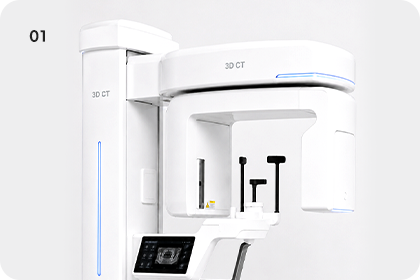
3D CT Examination
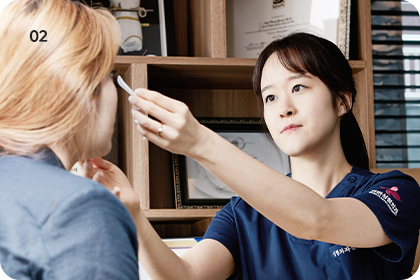
One-on-One Surgical Consultation
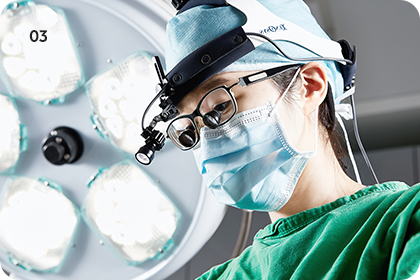
Customized Surgical Procedure
GIRIN Plastic Surgery Clinic
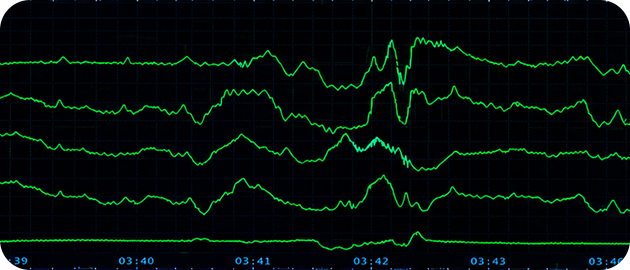
Monitoring of vital signs during anesthesia and surgery.

Anesthesia-related observations and records are maintained throughout surgery.
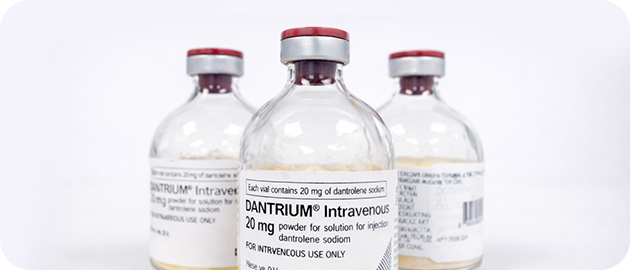
Emergency medication is maintained for malignant hyperthermia response.
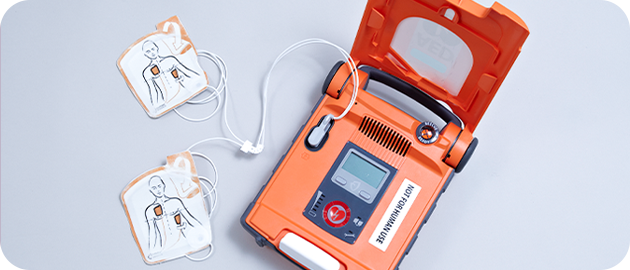
Defibrillation equipment is available for emergency response.
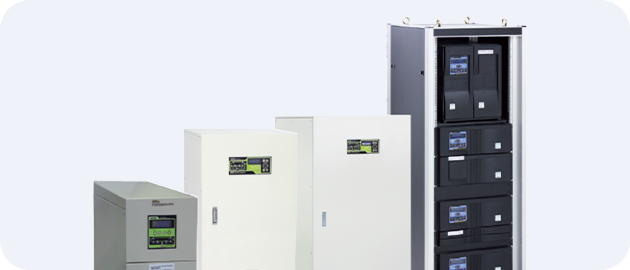
Backup electrical power supports essential equipment during interruptions.
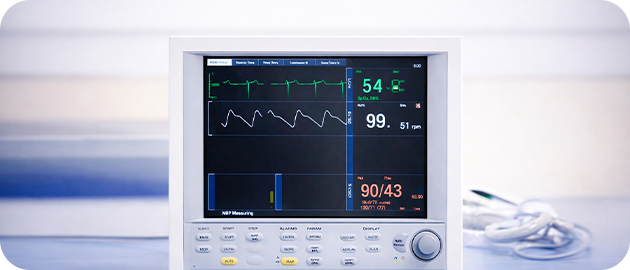
Continuous observation of relevant patient measurements during surgery.


