



GIRIN
Natural High-Profile Rhinoplasty
Adding definition while keeping it natural
From the Bridge to the Tip, Naturally Defined
GIRIN Natural High-Profile Rhinoplasty
Very Natural
Natural
Natural High Profile
Natural-looking with greater
height and definition
height and definition
Defined
Highly Defined
Defined by the Results
GIRIN Natural High-Profile Rhinoplasty
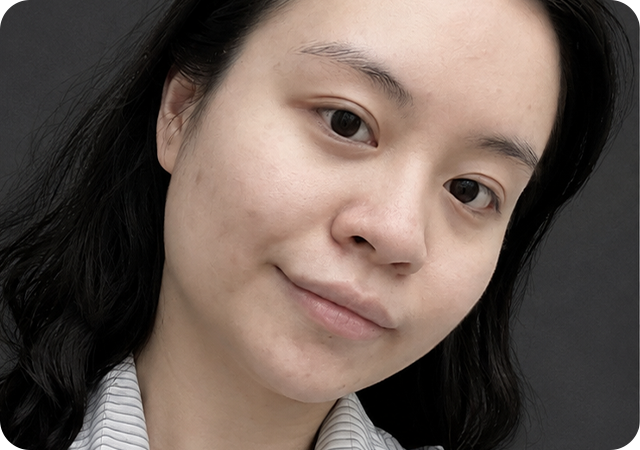
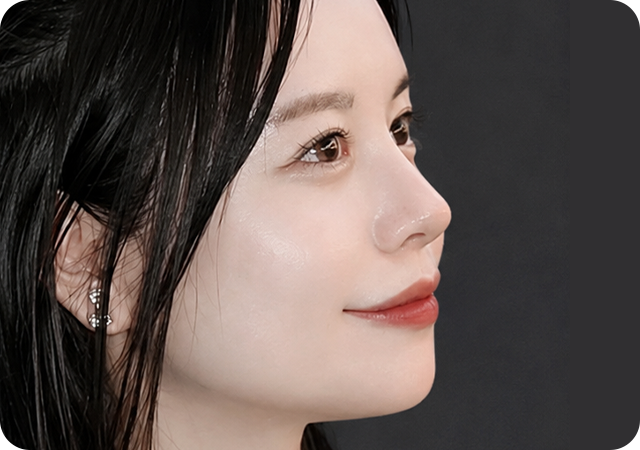
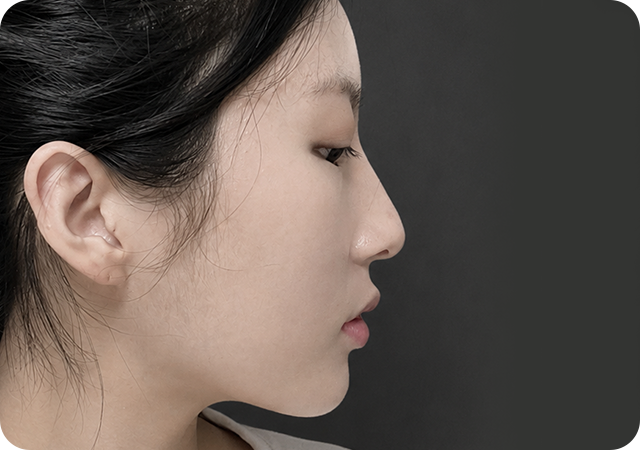
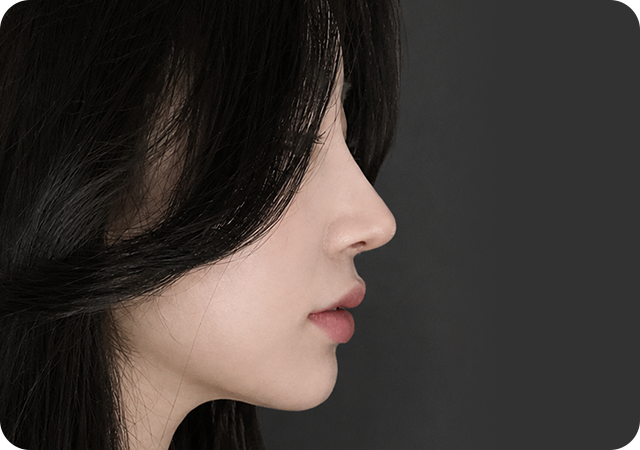
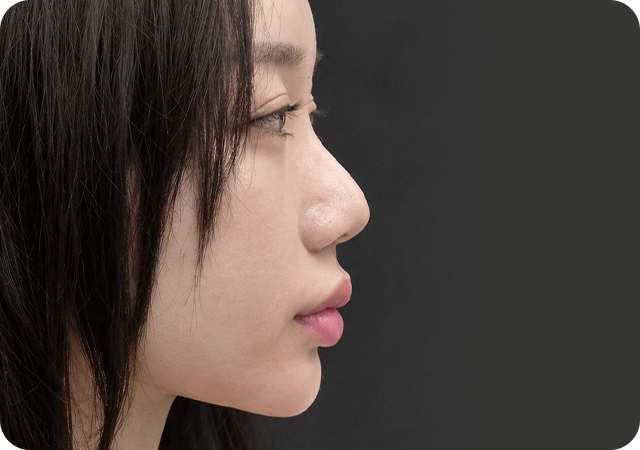
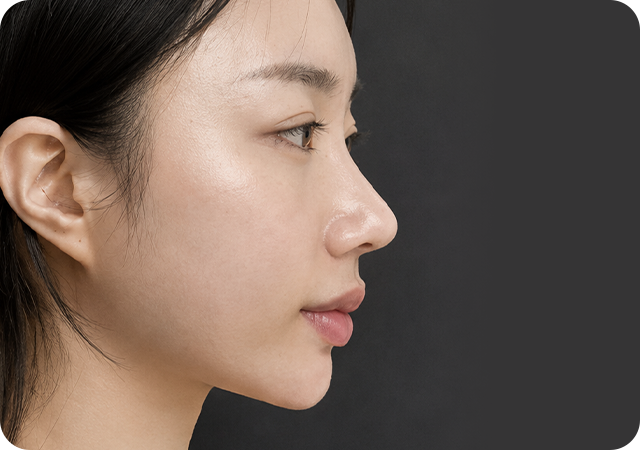
The Difference Is in the Details.
Precision Makes the Result.
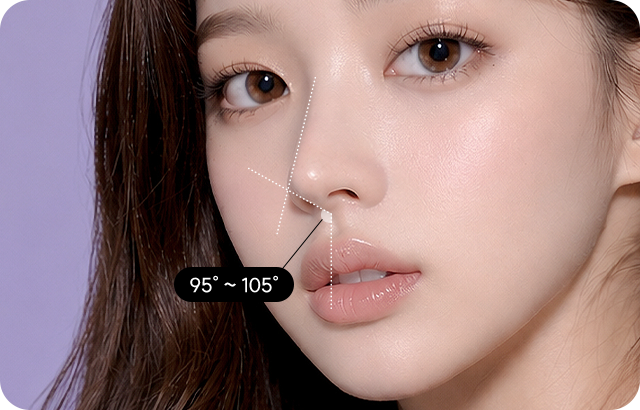
01
The bridge length and angle are adjusted according
to your facial proportions for a
more dimensional profile.
02
An ideal bridge line creates a
natural yet more defined look.
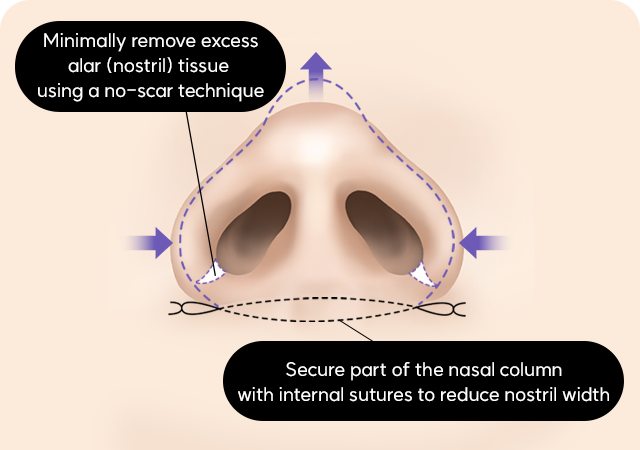
03
Wide or flat nostrils can be refined
to better suit your facial proportions.
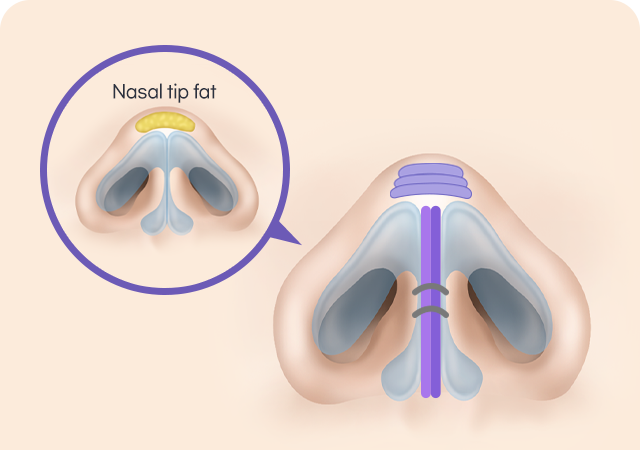
04
The cause of tip drooping is addressed for a
stable, long-lasting result.
The Closer We Look,
the Safer the Plan.
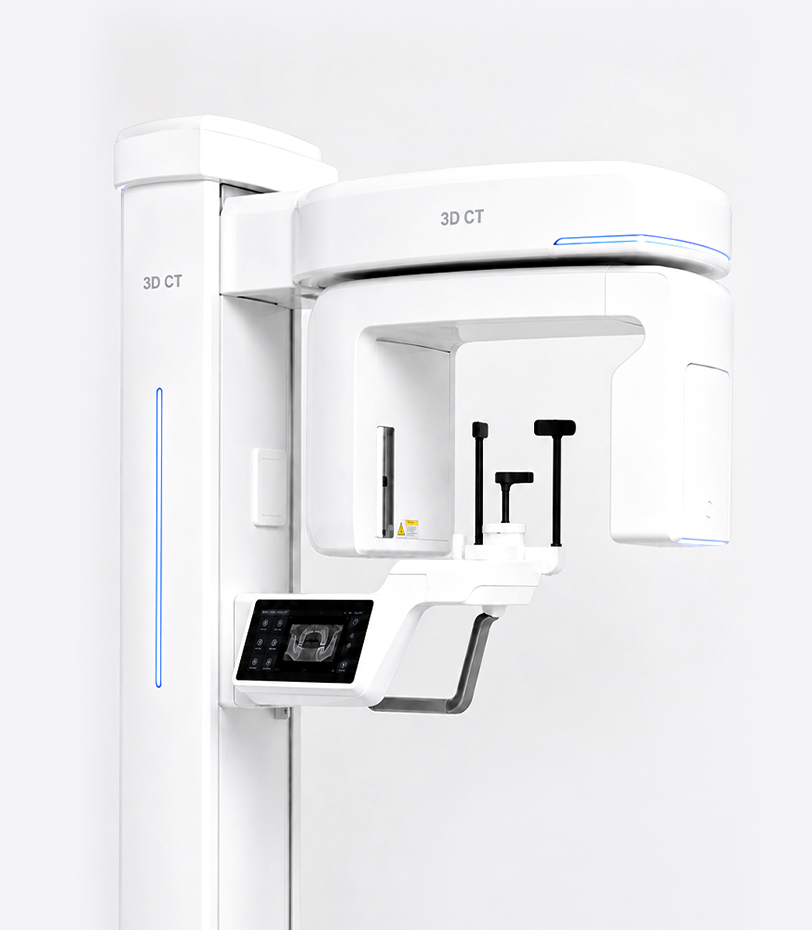
Pre-Consultation 3D CT Is Essential
At GIRIN, 3D CT and X-ray imaging are performed before consultation to create an accurate and safety-focused rhinoplasty plan based on each patient's anatomy.
✓
Accurate evaluation using
3D CT and X-ray
✓
Detailed analysis of the
internal nasal anatomy
✓
Evaluation for septal deviation, rhinitis,
turbinate enlargement and other
nasal conditions
✓
A
customized surgical plan
based on the nasal bone structure
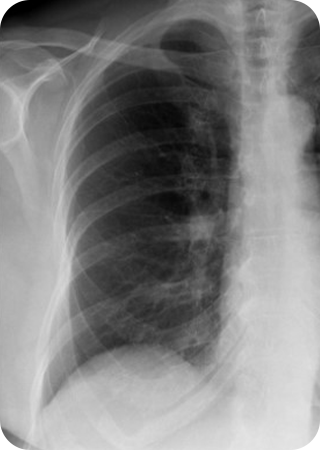
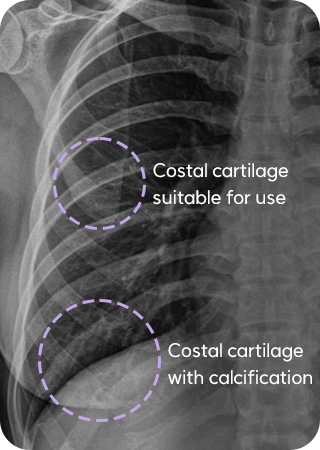
Do I Really Need a Rib Cartilage Calcification Test?
Before using autologous rib cartilage, GIRIN checks the size and condition of the cartilage through X-ray imaging. This helps identify calcification in advance and reduces the need for unnecessary cartilage harvesting during surgery.
GIRIN Plastic Surgery Clinic's Standard for Safety
Safety System
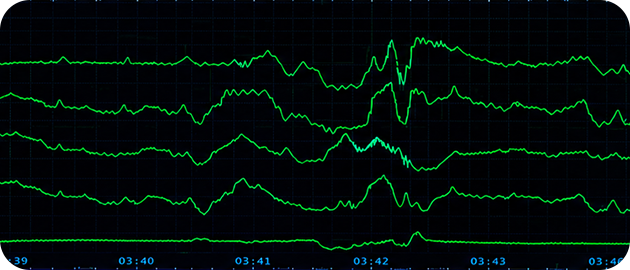
Central Monitoring System
Our anesthesiology specialist continuously monitors blood pressure, heart rate, body temperature and oxygen saturation in real time.

Real-Time Anesthesia Records
The patient's anesthesia status is continuously monitored and recorded in real time by our anesthesiology specialist.
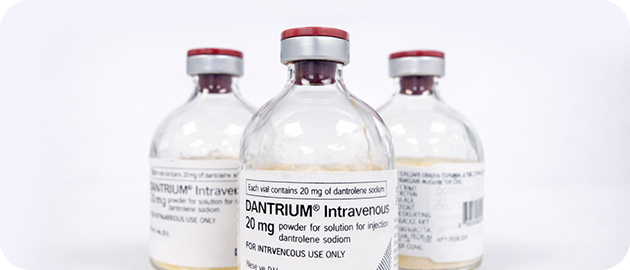
Dantrolene
Dantrolene is kept on site to allow prompt medical response in the rare event of malignant hyperthermia during general anesthesia.
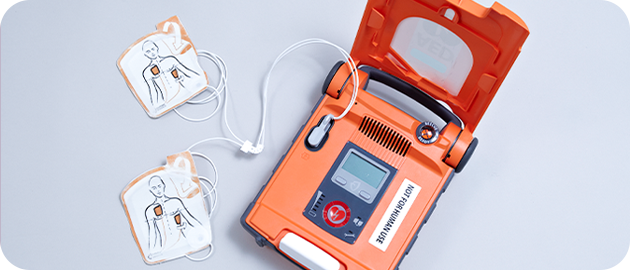
Defibrillator
A defibrillator and emergency equipment are maintained on site for immediate response in an emergency.
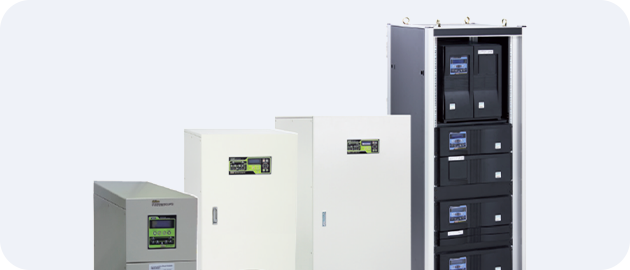
Uninterruptible Power Supply (UPS)
Our backup power system helps ensure surgery can continue safely in the event of an unexpected power outage.
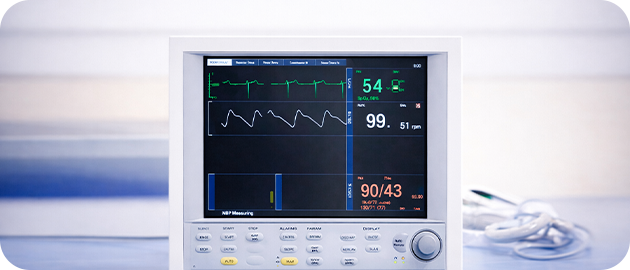
Patient Monitoring & Capnography
Continuous monitoring helps detect changes in breathing and other vital signs during surgery so the medical team can respond promptly.
After Rhinoplasty: What to Know
Q. When can I wear glasses after rhinoplasty?
Glasses may place pressure on the healing nasal structure.
We generally recommend avoiding pressure from glasses
for at least one month after surgery unless your surgeon
advises otherwise.
Q. When can I return to normal daily activities?
During the first month, the nasal structure is still healing
and should be protected from impact or pressure.
Avoid bending your head down for prolonged periods and avoid
very hard foods. Most everyday activities can gradually be
resumed after the first week depending on your recovery.
Q. When can I drink alcohol or smoke after rhinoplasty?
Alcohol and smoking may interfere with healing
and increase inflammation. Avoid both for at least
one month after surgery.
Q. How can I reduce swelling and discomfort?
Bruising and swelling can occur after surgery.
Cold compresses during the early recovery period,
keeping your head elevated, and light walking can help
support recovery. Follow your postoperative instructions
carefully.


