




GIRIN
Jelly Nose
Non-Open Rhinoplasty with Ear Cartilage
A New Approach to Rhinoplasty
Jelly Nose Makes the Difference!
Open Rhinoplasty
Longer recovery period
Concerns about swelling
External incision
Jelly Nose
Defined nasal contour
Long-lasting results
Faster recovery
Nose Fillers
Potential filler migration
Temporary results
Limited correction

Long-lasting results without silicone implants
GIRIN Jelly Nose
✓ Non-open approach
✓ Natural contour using your own tissue
✓ Faster return to daily activities
Who Is It For?
Who Is Jelly Nose For?
Avoiding Artificial Implants
For patients concerned about using synthetic nasal implants.
A Smoother Nasal Bridge
For patients seeking subtle correction of a minor hump or uneven nasal bridge.
A Faster Return to Routine
For patients who prefer a non-open approach and a shorter recovery period when appropriate.
Tired of Temporary Fillers
For patients considering surgical options instead of repeated injections.
GIRIN Jelly Nose Surgical Method
STEP 01
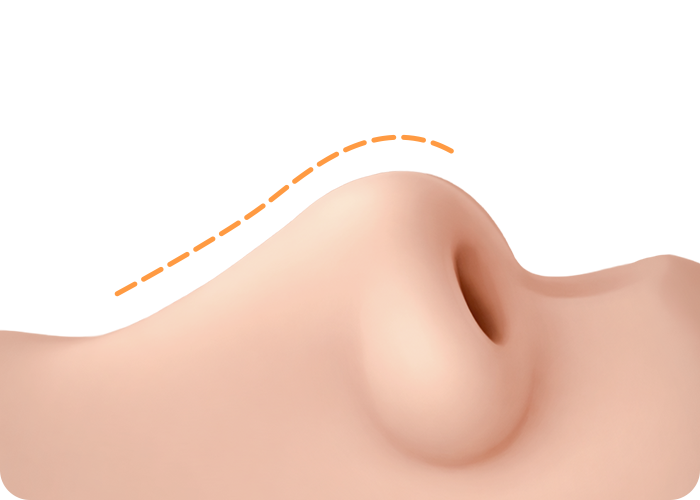
Before Surgery
We plan the desired nasal contour and measure the amount of autologous cartilage required for the procedure.
STEP 02
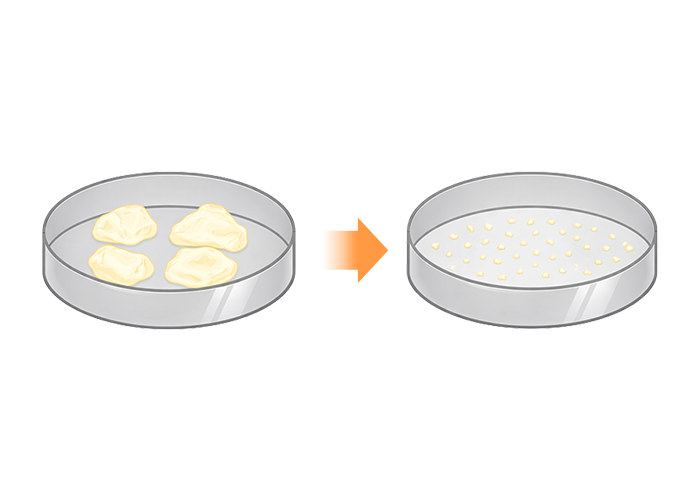
Cartilage Particle Preparation
Harvested cartilage is processed into fine particles and prepared according to the surgical plan.
STEP 03
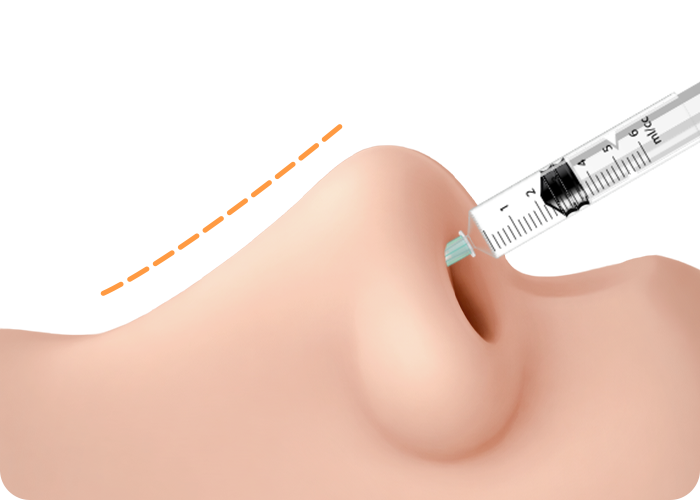
Cartilage Particle Insertion
Fine cartilage particles are carefully inserted through a non-open approach to shape the desired nasal contour.
Why GIRIN?
GIRIN Jelly Nose
GIRIN has researched and developed cartilage-based non-open rhinoplasty techniques since 2012.
1st Generation
Autologous Cartilage Rhinoplasty
Improving the nasal contour using cartilage without silicone implants.
2nd Generation
Jelly Nose Rhinoplasty
✓ Autologous cartilage
✓ Reduced harvesting burden
✓ Shorter surgery time
✓ Improved shape retention
Not Only Ear Cartilage!
Ear Cartilage or Rib Cartilage? YES!
GIRIN Jelly Nose may use ear cartilage or rib cartilage depending on the patient's anatomy, available cartilage, and previous surgical history. Patients who have already used ear cartilage may still be considered for surgery following consultation.
Processed with Specialized Cartilage Equipment
Fine Cartilage Particles for Jelly Nose
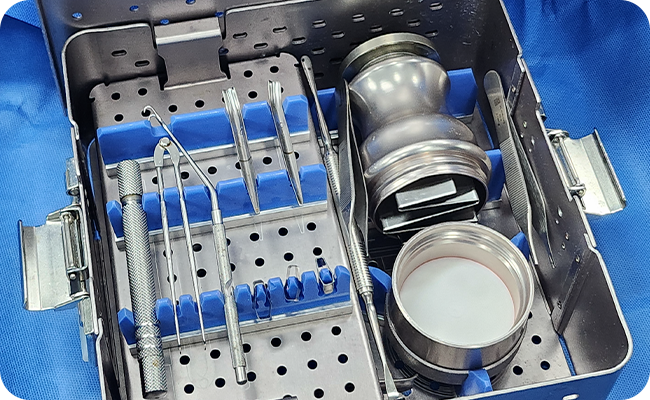
- Supports customized nasal contour shaping
- Allows fine adjustments to the desired nose line
- A cartilage-based approach tailored to the surgical plan
How Fine Cartilage Particles Are Prepared
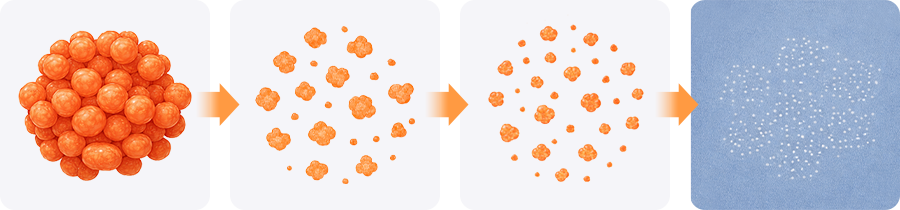
Natural-Looking Contours
GIRIN Jelly Nose Rhinoplasty
Point 01
Uses the patient's own cartilage for a natural-looking contour.
Point 02
A cartilage-based approach without synthetic nasal implants.
Point 03
Designed to reduce concerns associated with synthetic implants.
Point 04
Fine cartilage particles allow detailed shaping of the nasal contour.
Jelly Nose Surgery Information

Stitch Removal
Day 7
Admission
Not Required
Surgery Time
About 1 Hour
Anesthesia
Sedation
Follow-Up Care
1 VisitSurgical details may vary depending on the individual patient's condition and surgical plan.
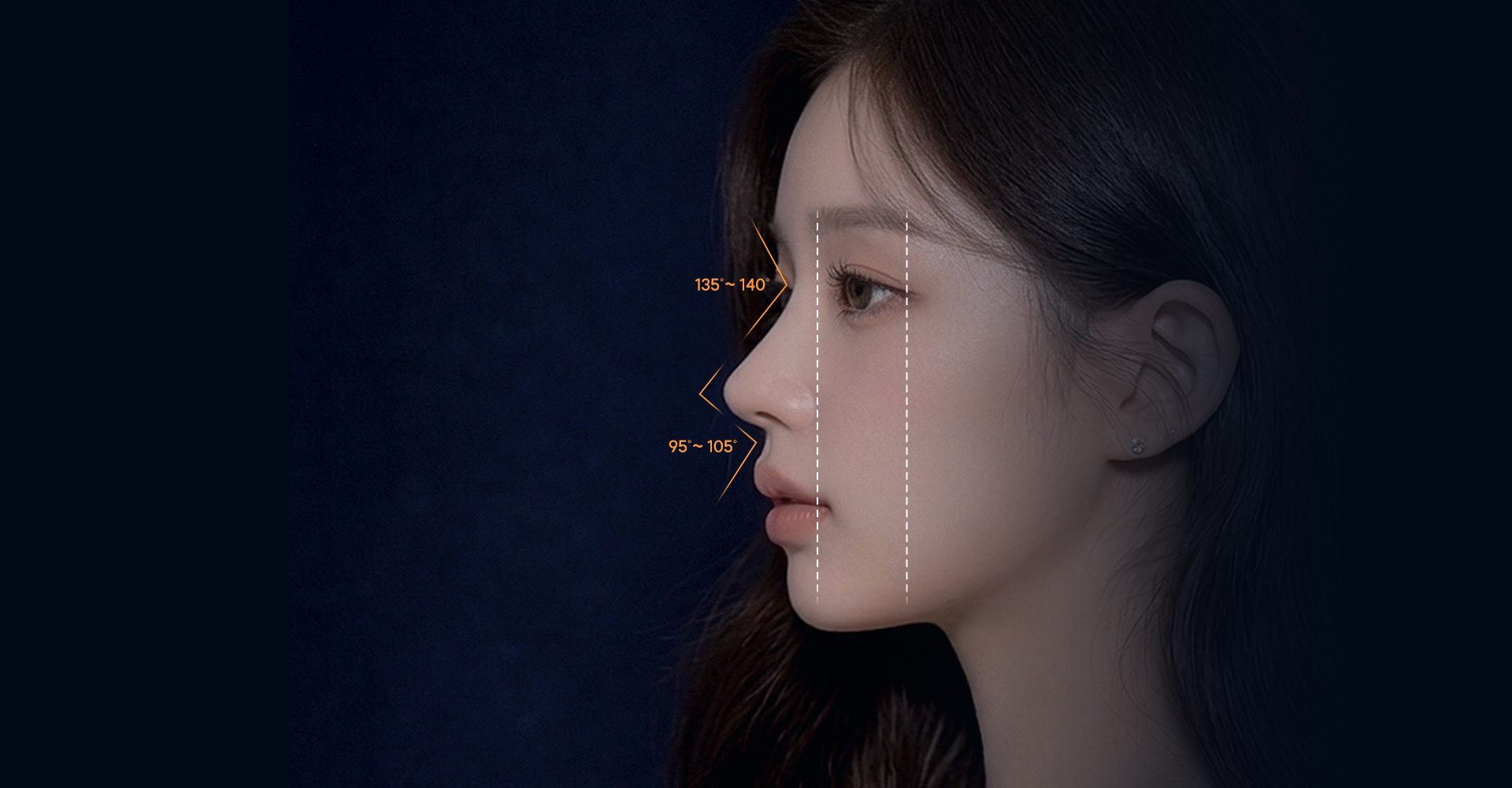
GIRIN Rhinoplasty POINT
Through 3D CT imaging and detailed facial analysis, we evaluate the nasal bridge, nasal tip, bone structure, cartilage, facial angles, and overall proportions to develop an individualized surgical plan.
GIRIN Plastic Surgery Safety System
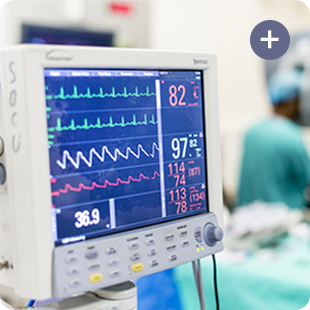
University Hospital-Level Safety Monitoring
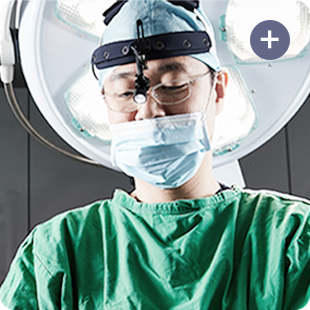
One Surgeon Per Patient
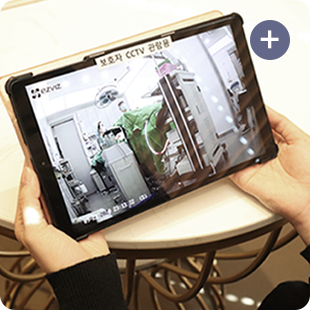
Guardian CCTV Viewing System
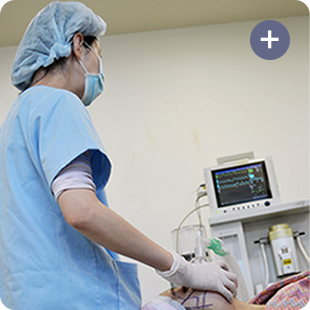
Real-Time Anesthesiology Monitoring
Non-Open Rhinoplasty
GIRIN Jelly Nose Q&A
How is Jelly Nose different from fillers or nose thread lifts? How long do the results last?
Jelly Nose is a surgical procedure rather than a temporary injectable treatment.
Unlike fillers, which gradually dissolve or may migrate, or thread lifts, which may have limitations in long-term shape maintenance, Jelly Nose uses autologous cartilage harvested from the patient's own body.
Once the cartilage has healed and integrated with the surrounding tissues, it contributes to the nasal contour. The procedure is intended to provide long-lasting improvement, although individual results and healing may vary.
It may be considered for patients who prefer to avoid synthetic implants and want a natural-looking nasal line.
Can Jelly Nose improve a hump or uneven nasal bridge?
Yes, selected cases of mild humps or uneven nasal bridges may be improved with Jelly Nose.
For patients who wish to avoid more extensive bone-cutting procedures, Jelly Nose may be considered as an alternative when the nasal anatomy is suitable.
Fine cartilage particles can be used to fill selected areas around a mild hump, creating a smoother line from the nasal bridge to the tip.
However, more prominent humps or structural concerns may require a different surgical approach. Suitability is determined during consultation.
When can I return to daily activities after non-open rhinoplasty, and when are stitches removed?
Many patients can return to light daily activities relatively soon after surgery.
Because Jelly Nose uses a non-open approach, tissue disruption may be more limited than with some open rhinoplasty techniques.
Stitches, when present, are generally removed around day 7. Some patients may feel comfortable returning to routine activities within a few days, but swelling, bruising, and recovery time vary.
Strenuous exercise and activities that could place pressure on the nose should be avoided until cleared by the surgeon.
Will non-open rhinoplasty leave a visible scar?
Jelly Nose is designed to minimize visible external scarring.
The procedure uses a non-open approach, with incisions inside the nose or other small access points depending on the surgical technique and individual anatomy.
As a result, visible external scarring is generally limited compared with procedures requiring an external columellar incision.
However, no surgical procedure can guarantee completely scar-free healing, and individual results may vary.

Researched and developed since 2012


