




GIRIN
Hump Nose
Rhinoplasty
Smooth the bump.
Refine your nose profile.
More Than Just Removing the Hump
GIRIN Hump Nose Rhinoplasty
A smooth nasal bridge, a refined profile, and a naturally balanced nose shape. GIRIN considers the nasal hump, bridge height, and tip shape together when planning surgery.
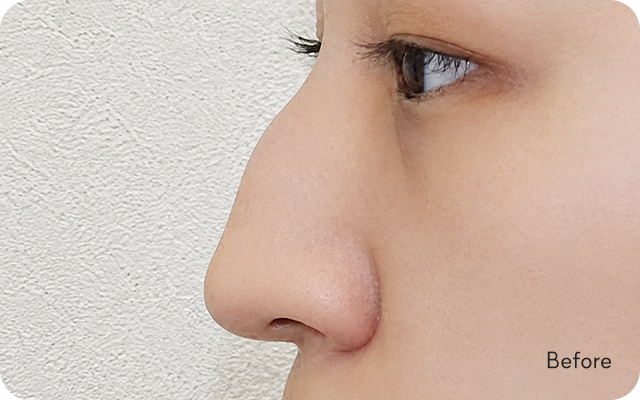
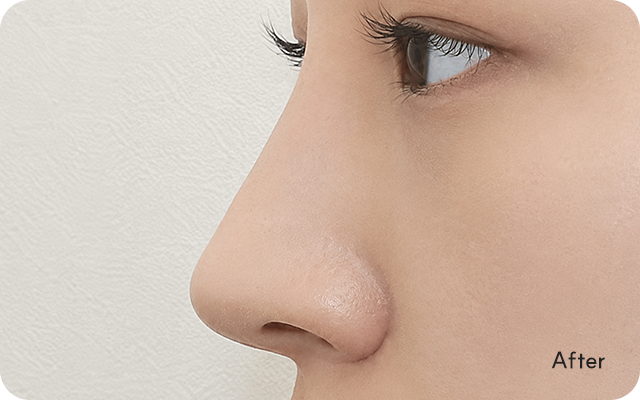
GIRIN Hump Nose Rhinoplasty Expertise
GIRIN aims to correct the protruding hump while preserving surrounding nasal structures where appropriate, creating a balanced and natural-looking nasal profile.
POINT 01
Conventional Hump Correction
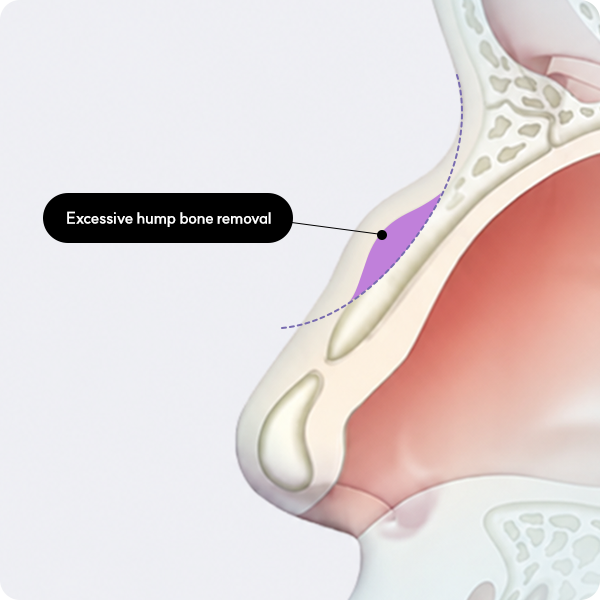
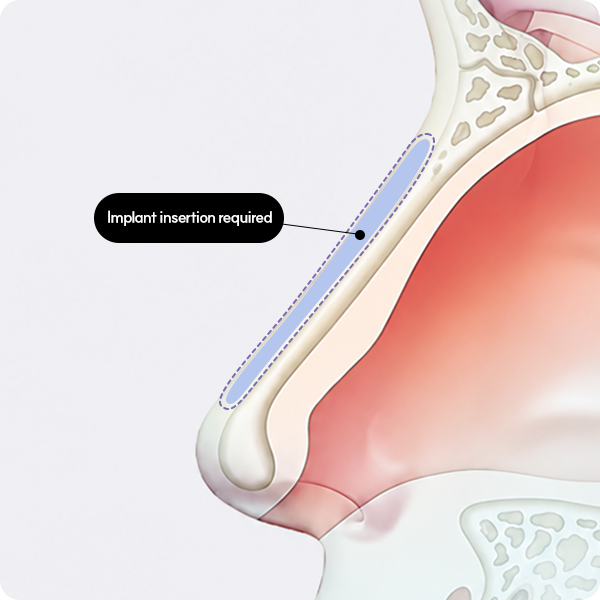
Conventional correction of the protruding nasal hump
POINT 02
GIRIN's Minimal Hump Correction
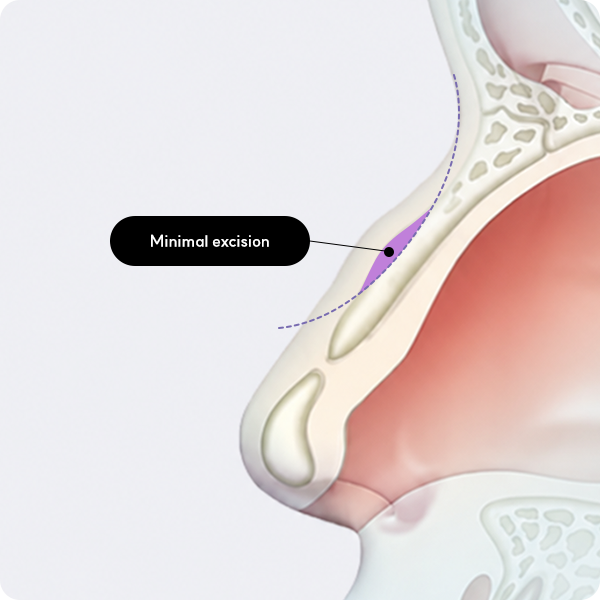
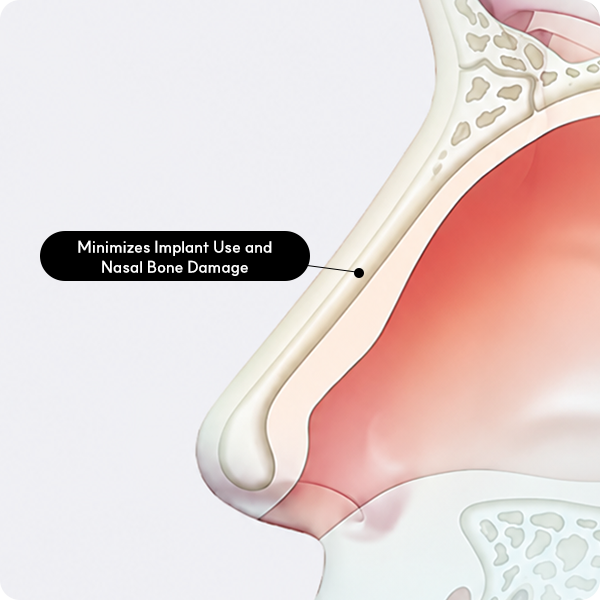
Targeted correction while preserving surrounding structures where possible
Customized Hump Nose Surgical Methods
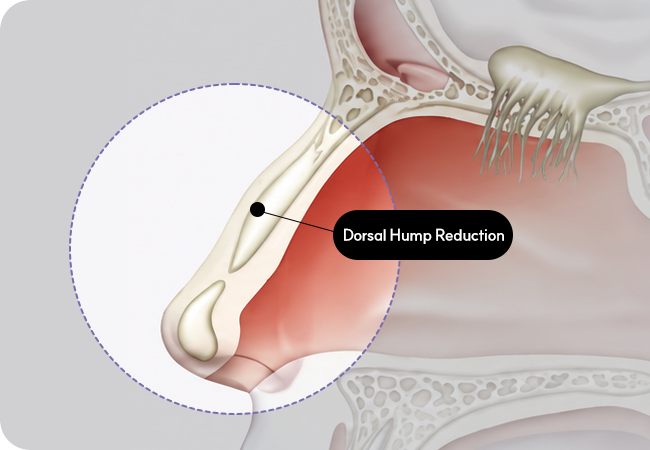
The surgical approach is selected according to the height of the nasal bridge, the degree of hump projection, and the shape of the nasal tip.
CASE 01
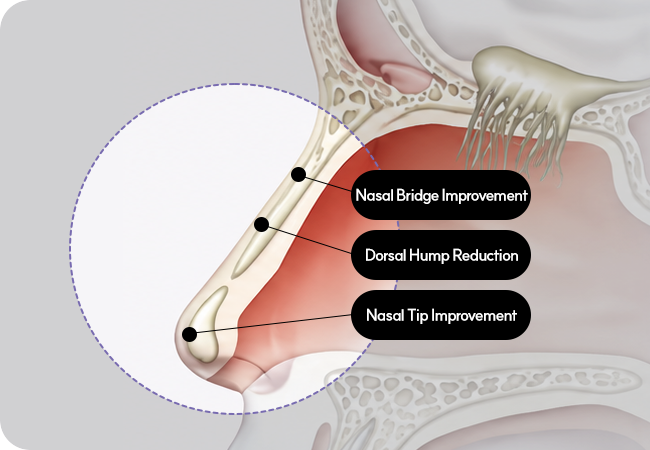
For a High Nasal Bridge
Hump Reduction
When the nasal bridge is already high, the protruding hump may be carefully reduced to create a smoother profile without unnecessary bridge augmentation.
CASE 02
For a Low Nasal Bridge
Hump Correction + Bridge Augmentation
When the nasal bridge is relatively low, hump correction may be combined with bridge augmentation to create a more balanced nasal height and profile.
CASE 03
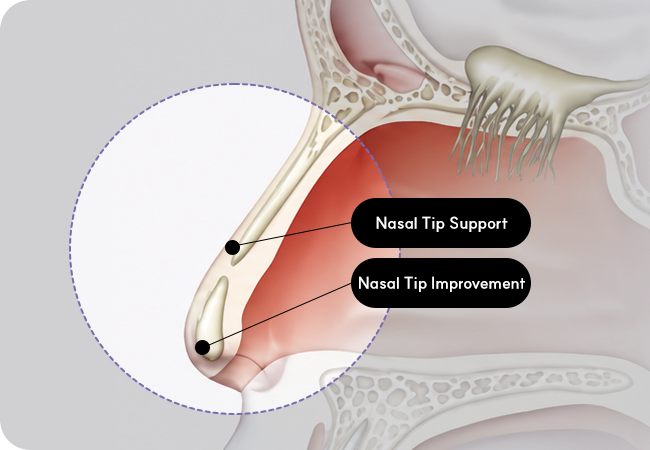
For a Low Nasal Tip
Nasal Tip Refinement
When the nasal bridge height is appropriate but the nasal tip is low, tip support and refinement may help improve the overall nasal contour. Hump reduction may not always be necessary.
Detailed Examination for Personalized Surgical Planning
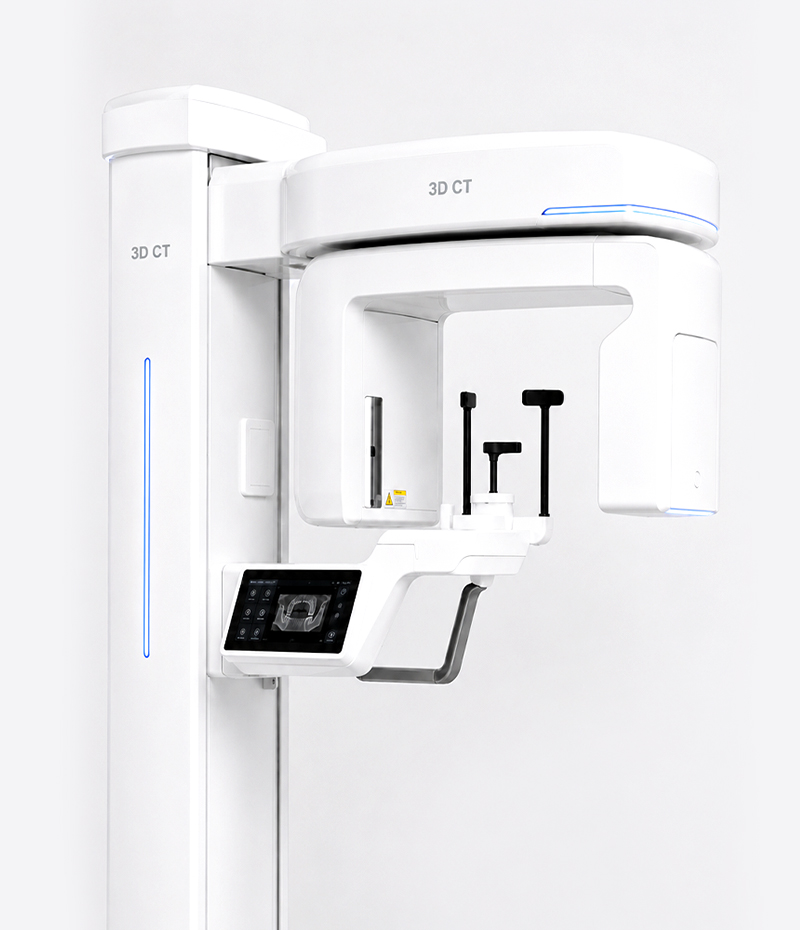
Preoperative 3D CT Examination
GIRIN uses preoperative imaging and structural analysis to evaluate nasal anatomy and plan an appropriate surgical approach for each patient.
✓
Examination using 3D CT and X-ray imaging
✓
Analysis of internal nasal structures
✓
Evaluation of structural abnormalities
✓
Customized planning based on nasal anatomy
GIRIN
Hump Nose Rhinoplasty
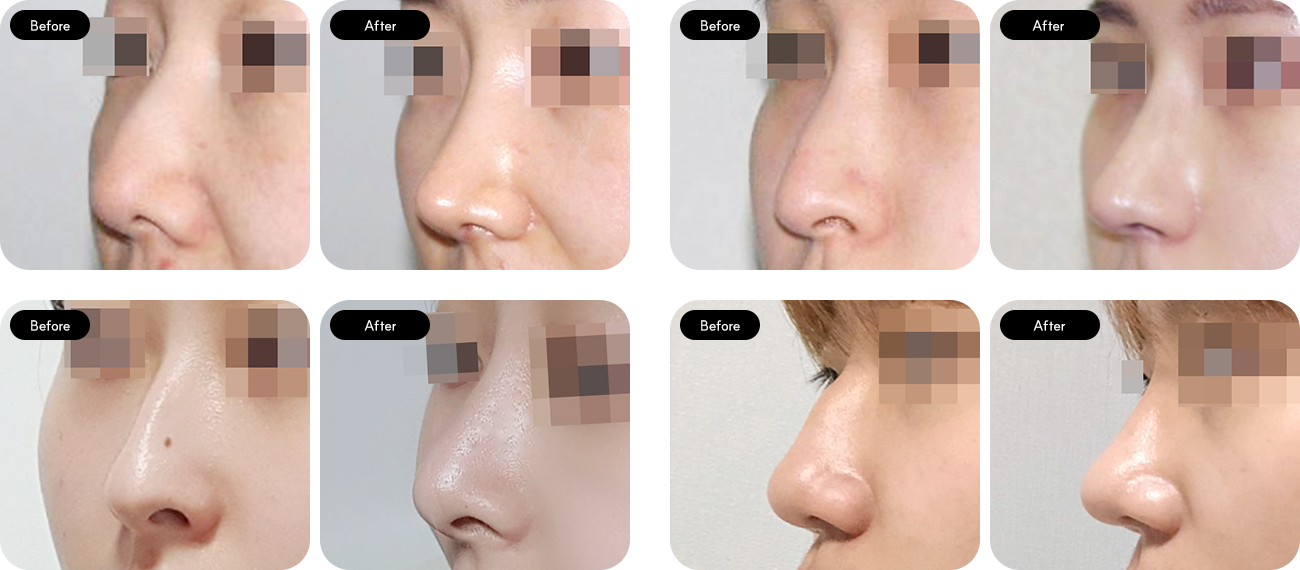
Before & After

GIRIN Hump Nose Rhinoplasty POINTS
✓
Detailed structural examination
using 3D CT and X-ray imaging
✓
Customized hump correction based
on individual nasal anatomy
✓
Smooth transition from the
nasal bridge to the nasal tip
✓
Balanced nasal design considering
overall facial proportions
GIRIN Hump Nose Rhinoplasty Process
From structural analysis and consultation to personalized surgical planning, GIRIN considers individual anatomy and aesthetic goals at every stage.
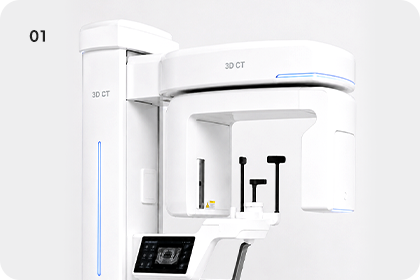
3D CT Imaging
Detailed examination of the nasal structure

One-on-One Consultation
Individualized assessment and surgical planning
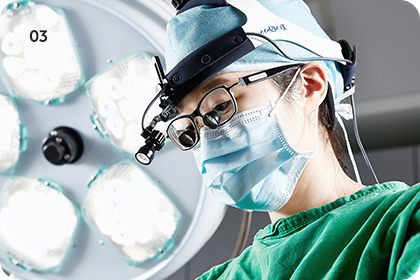
Personalized Surgery
Surgical correction tailored to each patient's anatomy
GIRIN's Standards for Safety
Safety System
Patient Safety Management
Safety-focused procedures and systematic monitoring throughout the surgical process.

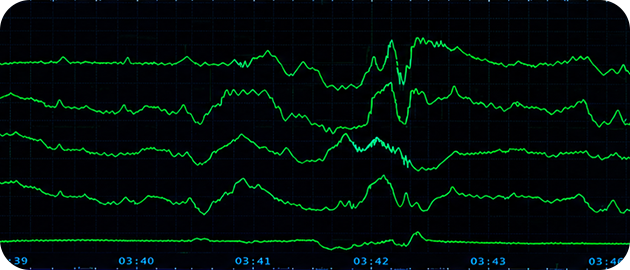
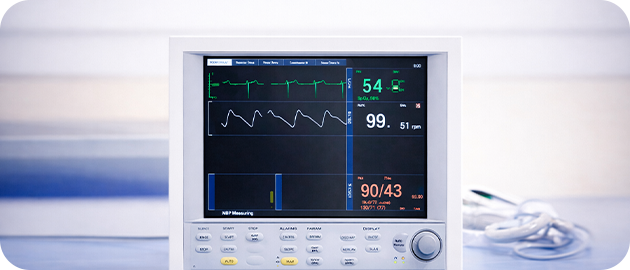
Central Monitoring System
Monitoring of vital signs, including blood pressure, heart rate, body temperature, and oxygen saturation.
Real-Time Anesthesia Records
Anesthesia information and patient conditions are recorded throughout surgery.
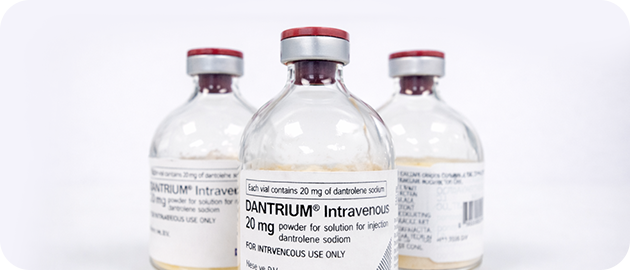
Dantrolene
Emergency medication for the management of malignant hyperthermia.
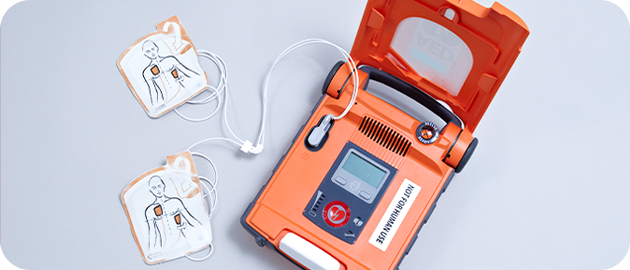
Emergency Defibrillator
Emergency equipment available to support rapid response when necessary.
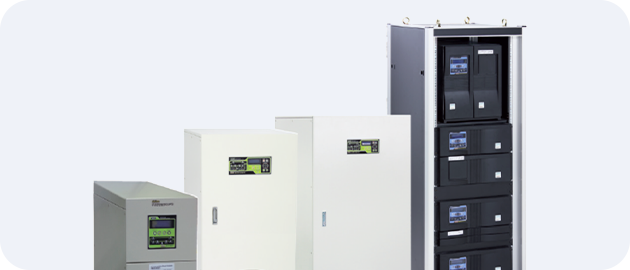
Uninterruptible Power Supply (UPS)
Backup power systems designed to help maintain essential equipment operation during power interruptions.


