




GIRIN
Male Gynecomastia
A flatter chest and a firmer, more masculine contour.
Surgery Time
Approx. 2 Hours
Surgery Schedule
Same-Day Surgery
Hospital Stay
Same-Day Discharge
Insurance
May Be Eligible
What Is Male Gynecomastia?
Gynecomastia is a condition in which the male chest appears enlarged due to the development of glandular breast tissue, fat accumulation, or a combination of both. It may be classified as glandular, fatty, or mixed-type gynecomastia.
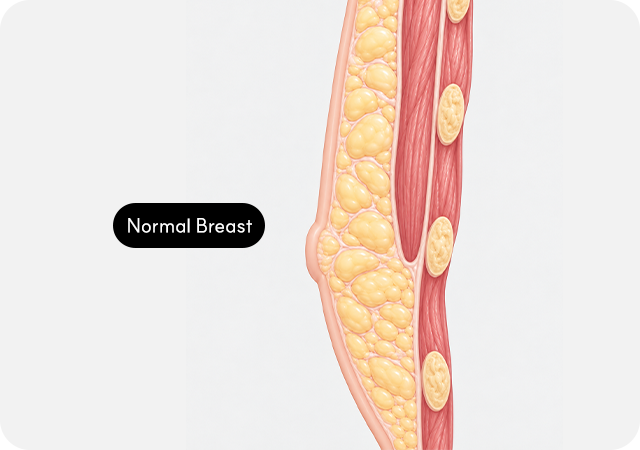
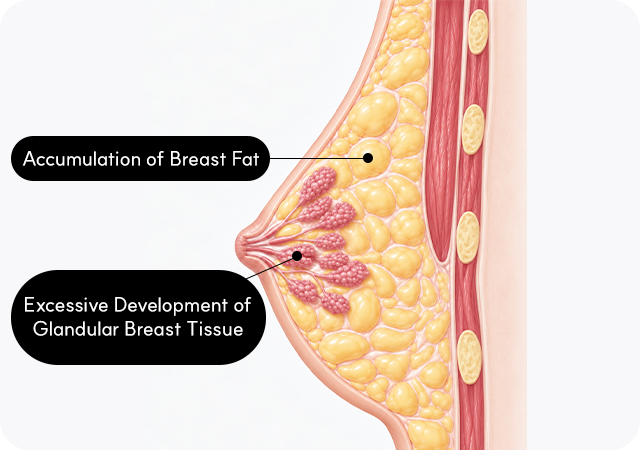
Even when two chests look similar externally, their glandular and fatty tissue composition may differ. Accurate assessment is essential for surgical planning.
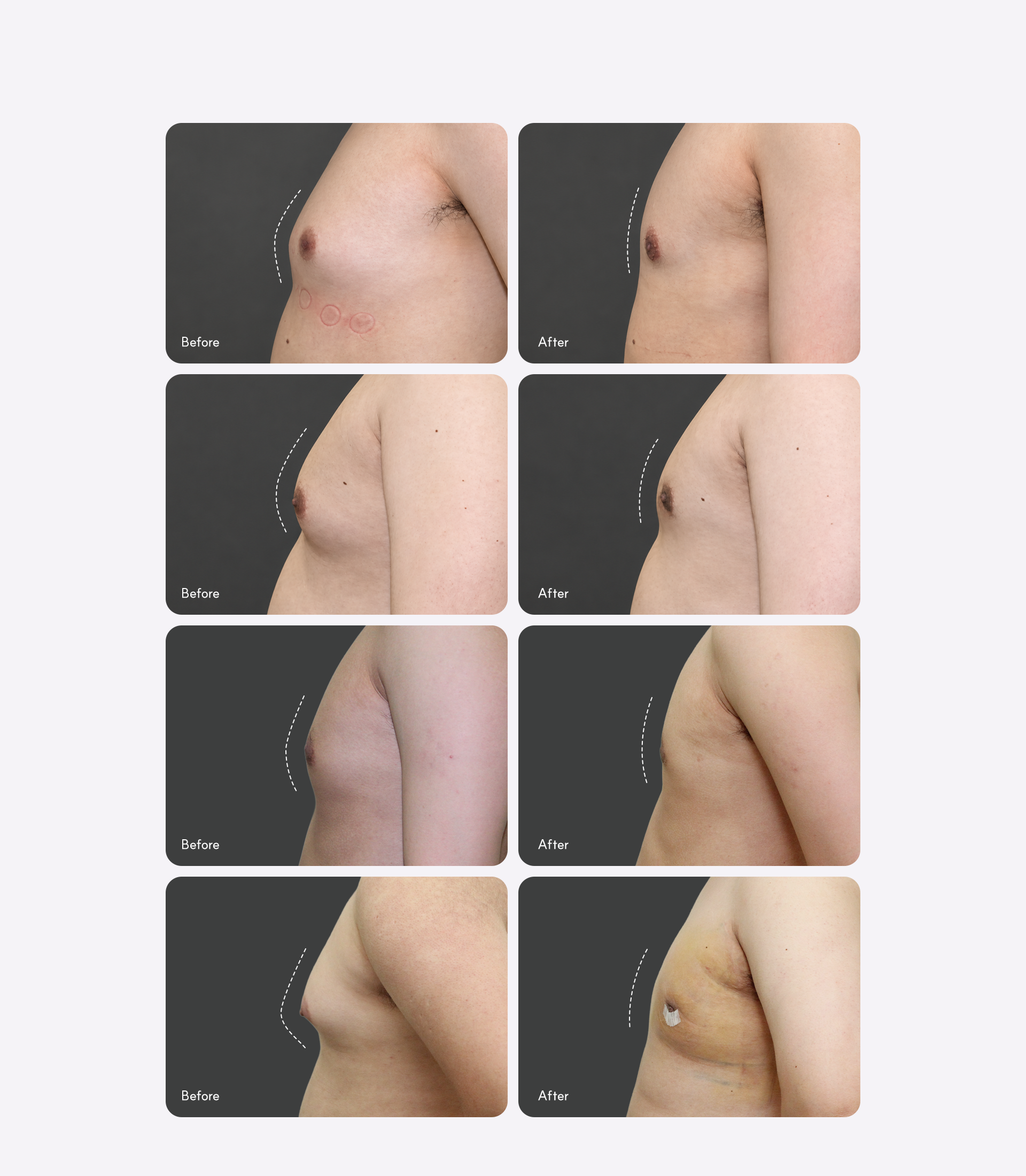
GIRIN Gynecomastia Results
Main Causes of Gynecomastia
✓
Hormonal changes during puberty
✓
Certain medications, including steroids
✓
Increased body fat and hormonal changes
✓
Liver or endocrine-related conditions
✓
Age-related hormonal changes
Gynecomastia often develops through a combination of hormonal, metabolic, medication-related, and body-composition factors.
When Should You Consider Gynecomastia Treatment?

Chest Volume That Remains After Weight Loss
The chest continues to protrude despite exercise or dieting.

Chest Protrusion Through Clothing
Noticeable chest enlargement beneath a shirt.

Firm Lump Beneath the Nipple
A noticeable firm or rubbery mass in the chest.

Chest Changes After Medication
Breast enlargement after certain medications or hormonal treatments.
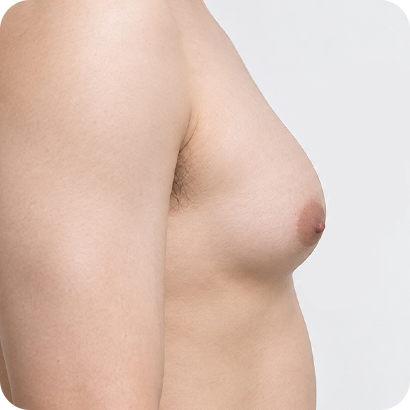
Protruding Nipple or Areola
The nipple-areola area appears enlarged or raised.
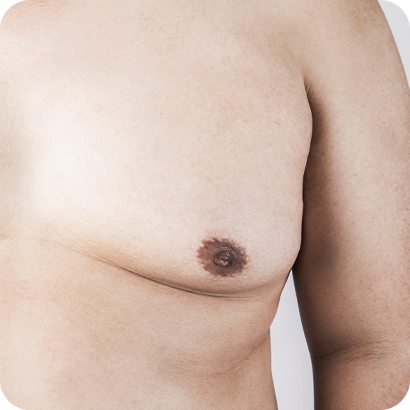
Persistent Chest Contour Changes
Breast tissue remains prominent despite overall weight reduction.
Similar symptoms can have different causes.
Treatment should be based on the glandular-to-fat ratio.
GIRIN's Small-Incision Technique
A personalized approach designed to create a flatter, more masculine chest contour.
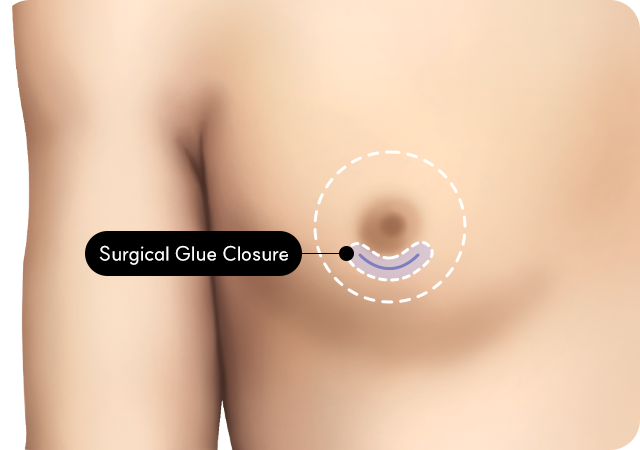
Minimal Incision with Scar-Conscious Planning
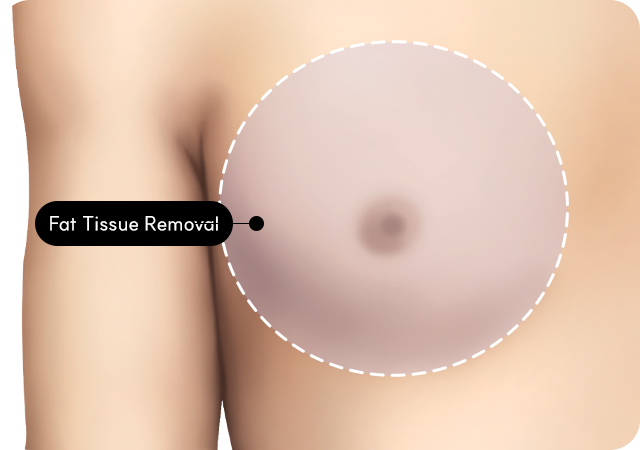
Customized Removal of Glandular and Fatty Tissue
GIRIN plans a small incision and tissue removal according to the patient's anatomy and the extent of gynecomastia. The surgical approach is selected after medical assessment.
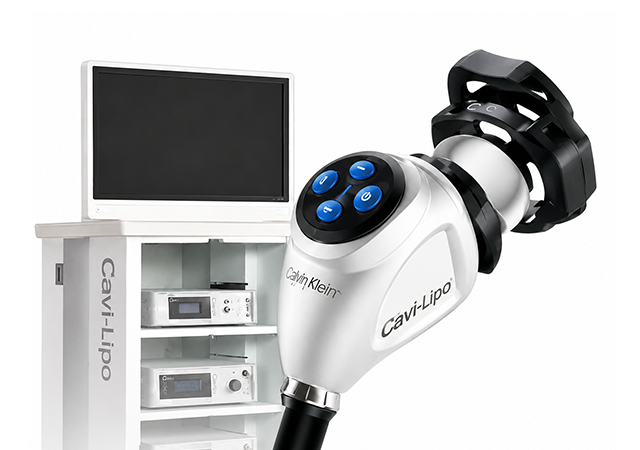
Detailed Ultrasound Assessment
Evaluate glandular tissue and plan a tailored procedure.
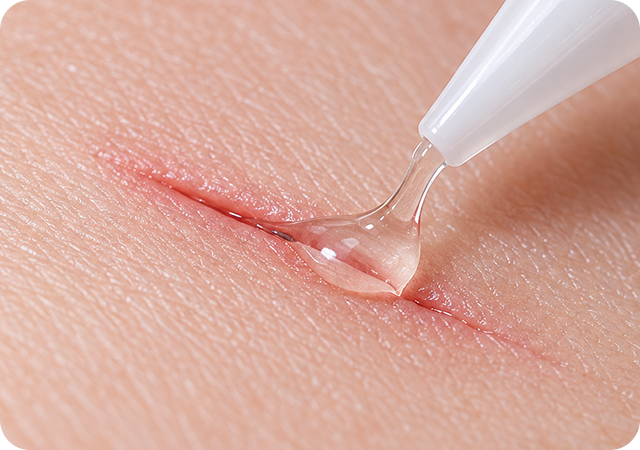
Small Incision and Careful Closure
Incision placement and closure are planned with scarring in mind.

Dedicated Anesthesia Specialist
Anesthesia care and monitoring during surgery.

Scar Management Care
Postoperative scar-care support based on recovery needs.
Why Choose GIRIN for Gynecomastia?
From consultation to surgery and recovery, we assess the underlying cause and tissue composition to create a personalized treatment plan.

STEP 01
Detailed Tissue Assessment
Ultrasound examination helps determine whether glandular tissue, fatty tissue, or both are contributing.
STEP 02
Customized Surgical Planning
The surgical method is selected according to the type and degree of gynecomastia.
STEP 03
Scar-Conscious Treatment
We plan the incision and postoperative scar care with the patient's anatomy in mind.
✓
Gynecomastia Surgery
May Qualify for Insurance Benefits
- Visit the clinic for consultation and examination.
- Review examination results and receive a treatment plan.
- Confirm eligibility and reimbursement with your insurer.
- Undergo surgery and postoperative treatment.
- Request the necessary medical documentation.
- Submit the documents to your insurer for review.
✓
Important Information
About Indemnity Insurance
- Coverage varies by insurer and insurance product.
- Eligibility depends on the policy terms and medical findings.
- Reimbursement limits may vary according to exclusions and coverage conditions.
- Insurance payment is not guaranteed.
- Confirm the expected benefits with your insurer before surgery.
Can My Surgery Be Covered by Insurance?
The development and degree of glandular tissue are assessed to determine the gynecomastia type and appropriate treatment.
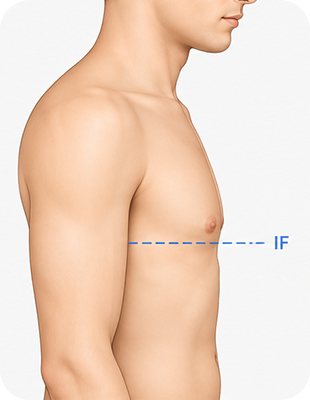
Simon Grade 1
Mild enlargement without significant excess skin.
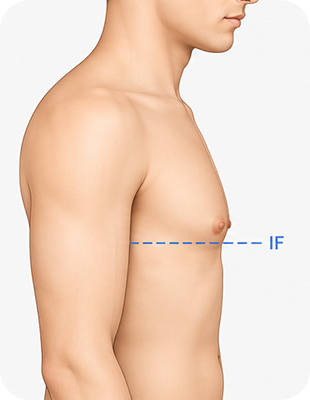
Simon Grade 2A
Moderate enlargement without substantial skin excess.
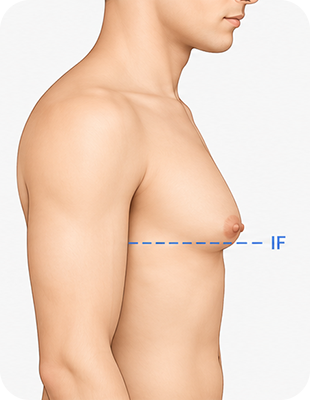
Simon Grade 2B
Moderate enlargement with some excess skin.
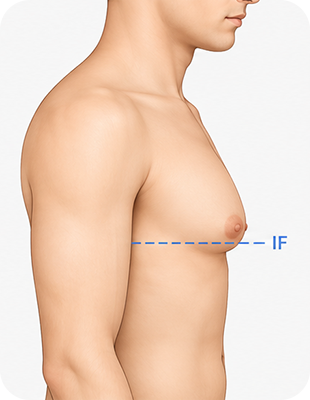
Simon Grade 3
Marked enlargement with significant skin excess.
A Flatter, More Masculine Chest Contour
Treatment is planned according to glandular and fatty tissue composition to reduce chest protrusion.
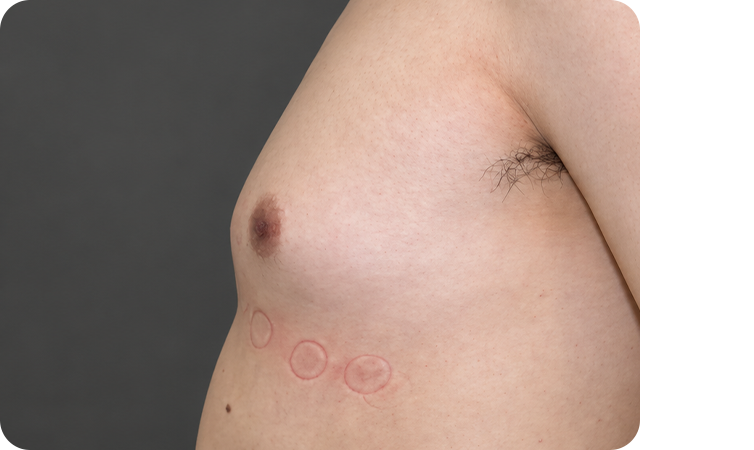
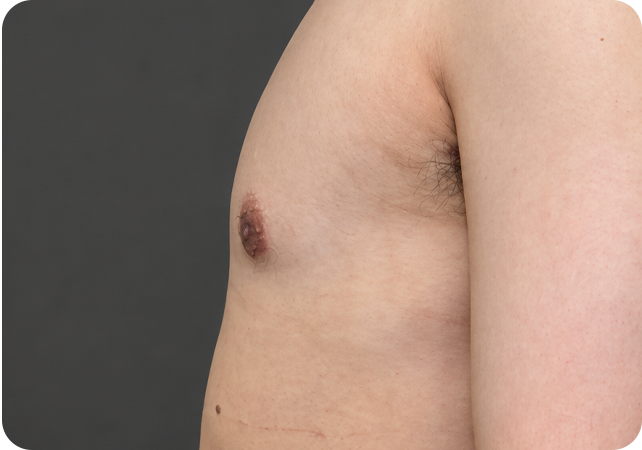
Before Surgery
3 Weeks After Surgery
GIRIN Gynecomastia Surgical Process
Ultrasound examination helps distinguish glandular tissue from fatty tissue before planning removal.
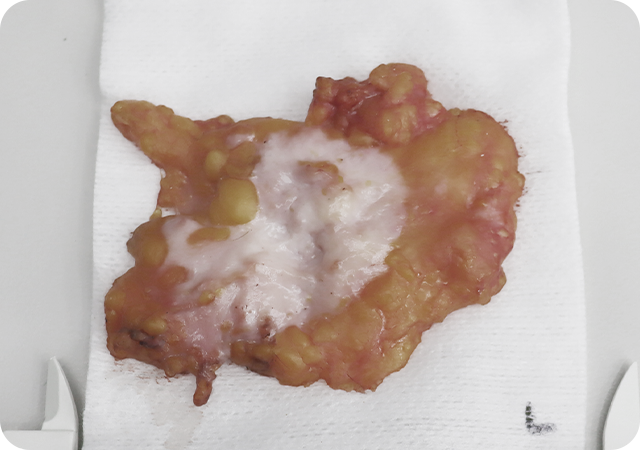
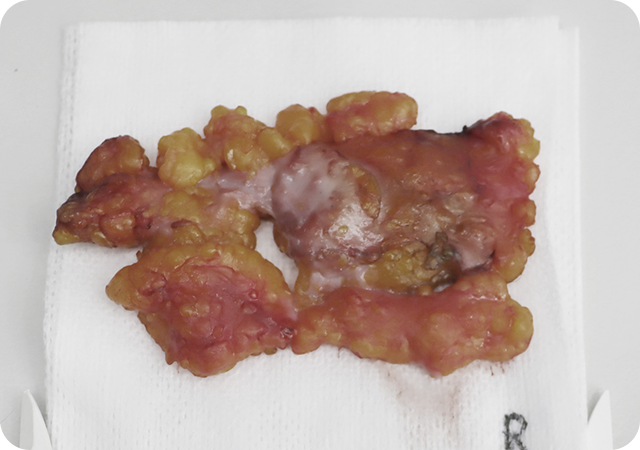
Actual surgical tissue photographs shown for educational purposes.
GIRIN Gynecomastia Cases
Similar chest appearances may have different underlying causes.
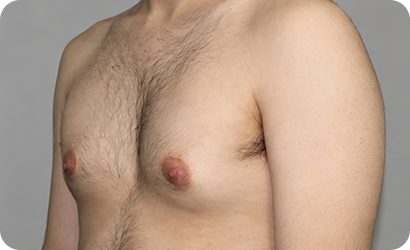
Before Surgery
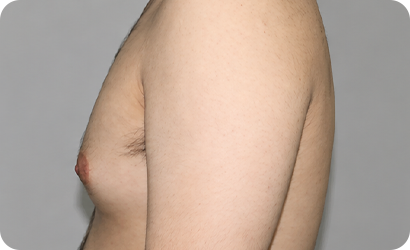
1 Day After Surgery
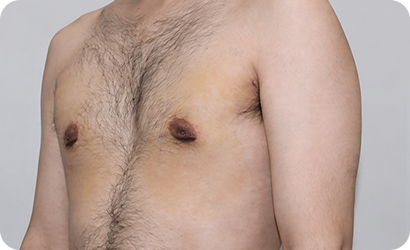
1 Week After Surgery
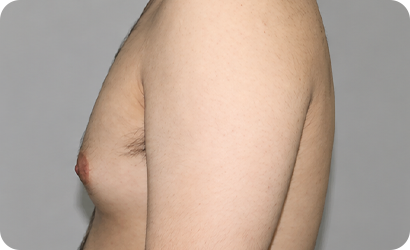
Before Surgery
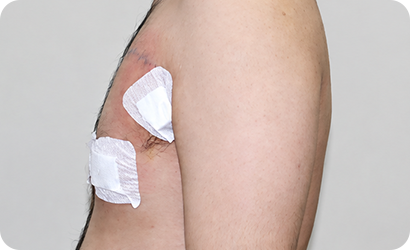
1 Day After Surgery
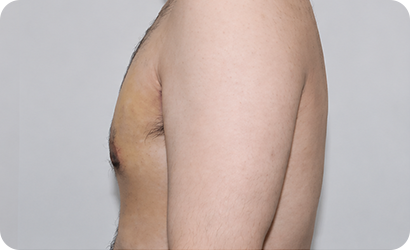
1 Week After Surgery
We distinguish fatty, glandular, and mixed-type gynecomastia
to create a surgical plan tailored to the required treatment area.
International Medical Education
A Clinic Sharing Surgical Knowledge with International Doctors
GIRIN has participated in international medical education programs and surgical observation opportunities.
Dr. Anastasiia Ihnatieva
Reconstructive Surgeon, Spain
Dr. Myrevhen Smiianov
Otorhinolaryngology Specialist, Ukraine
Dr. Kostiantyn Dobriakov
Medical Director, Ukraine
Dr. Boris Soltanov
Orthopedic Specialist, Russia
Frequently Asked Questions
Can gynecomastia disappear with exercise?
Exercise may reduce chest fat, but enlarged glandular tissue may remain. An examination can help identify the underlying cause.
Will I need both liposuction and gland removal?
The surgical method depends on the amount of glandular tissue and fat. Some patients may need a combination of techniques.
Can gynecomastia surgery be covered by insurance?
Coverage depends on medical findings, insurance policy terms, and the insurer's assessment. Eligibility is not guaranteed.
How long is recovery?
Recovery varies. The medical team will provide individualized instructions regarding compression, wound care, and returning to exercise.


