GIRIN 3D Facial Implant Contouring

GIRIN

3D Facial Implant
Contouring

Customized facial contouring designed with facial structure and soft tissue in mind

What Is 3D Facial Implant Contouring?

Customized facial implants are designed according to each individual's facial structure and proportions to enhance volume and create a more three-dimensional facial contour.

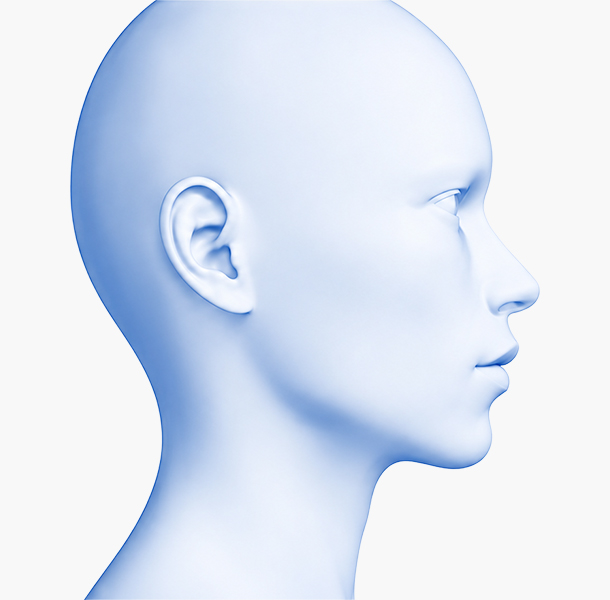
Facial contour before customized facial implant
›
Facial contour after customized facial implant

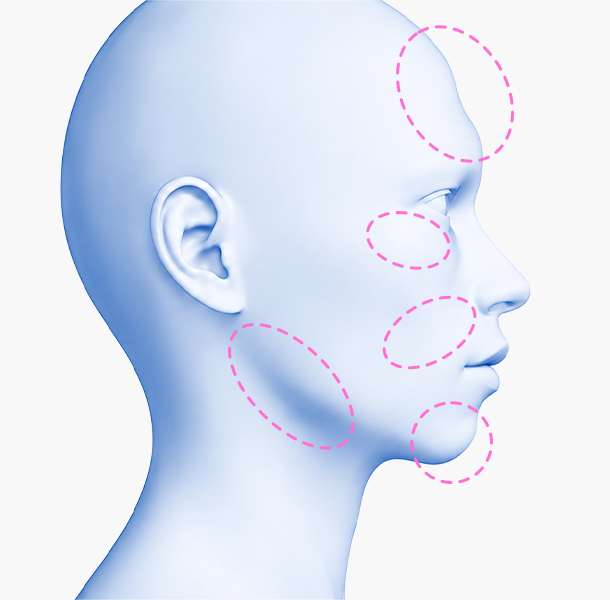
Customized facial implants designed for individual facial proportions

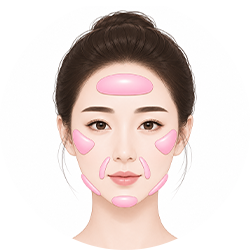
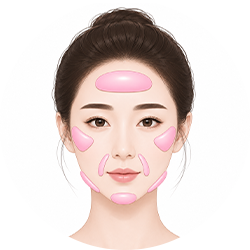
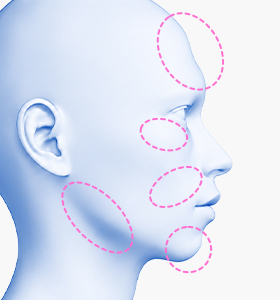
Types of 3D Facial Implant Contouring

Forehead
Chin
Front Cheek
Jaw Reconstruction
Paranasal
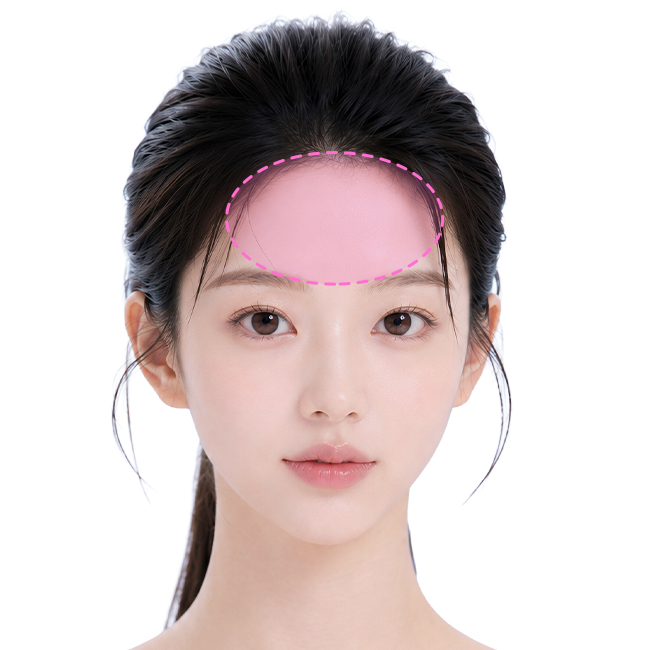
01 Customized 3D forehead implant augmentation

Forehead Augmentation

By inserting a customized implant into a recessed forehead line, we create a natural forehead contour with enhanced volume.

  • Insufficient forehead volume
  • Uneven or irregular forehead contour
  • Forehead appears recessed due to a prominent brow bone
  • Narrow forehead width

02 Customized 3D chin implant augmentation

Chin Augmentation

A customized chin implant adds projection to a recessed chin and helps create a smoother, more balanced facial profile.

  • Recessed or underdeveloped chin
  • Short or weak chin projection
  • Unbalanced facial profile
  • Desire for a smoother jaw-to-chin line
03 Customized 3D front cheek implant augmentation

Front Cheek Augmentation

By restoring volume with a customized front cheek implant, the midface can appear more dimensional and naturally defined.

  • Flat or recessed front cheek area
  • Lack of midface projection
  • Hollow appearance around the central face
  • Desire for a more three-dimensional facial contour
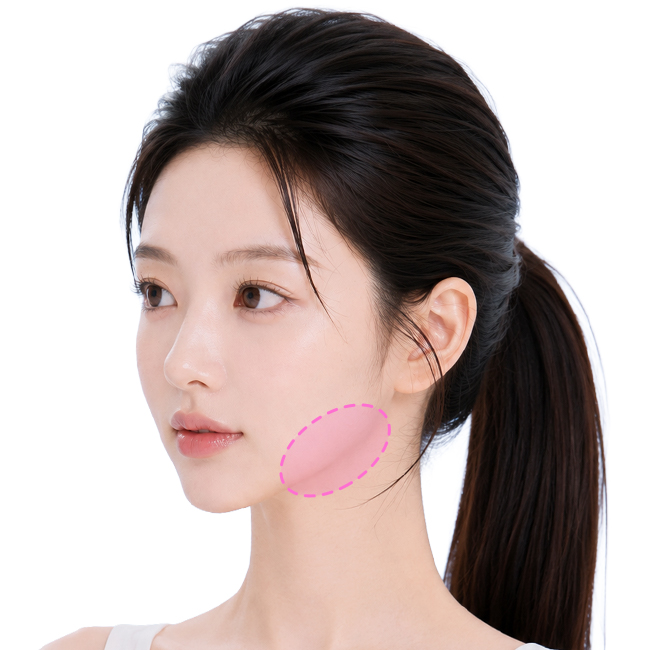
04 Customized 3D jawline reconstruction implant

Jawline Reconstruction

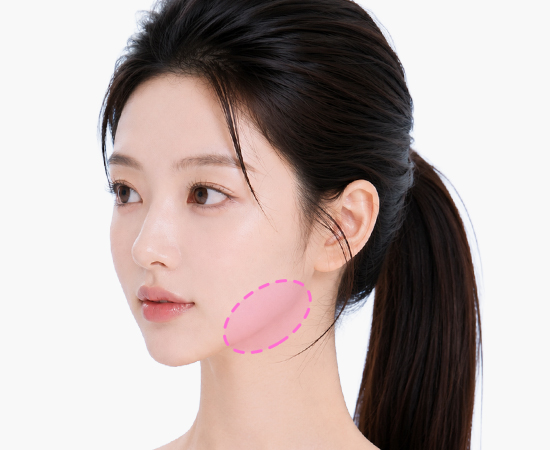
A customized jaw implant can restore areas where too much bone was previously removed, helping recreate a smoother and more defined jawline.

  • Excessive bone removal from previous facial contouring
  • Irregular or indented jawline
  • Loss of lower-face structure
  • Desire to restore natural jawline definition
05 Customized 3D paranasal implant augmentation

Paranasal Augmentation

By adding volume to the recessed areas beside the nose with a customized paranasal implant, we can create a smoother and more three-dimensional midface contour.

  • Recessed areas beside the nose
  • Flat or underprojected midface
  • Deep appearance around the nasolabial area
  • Desire for greater midface dimension

GIRIN 3D Facial Implant Contouring Process

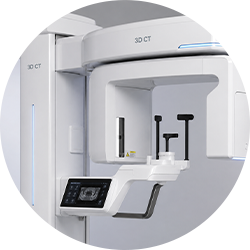
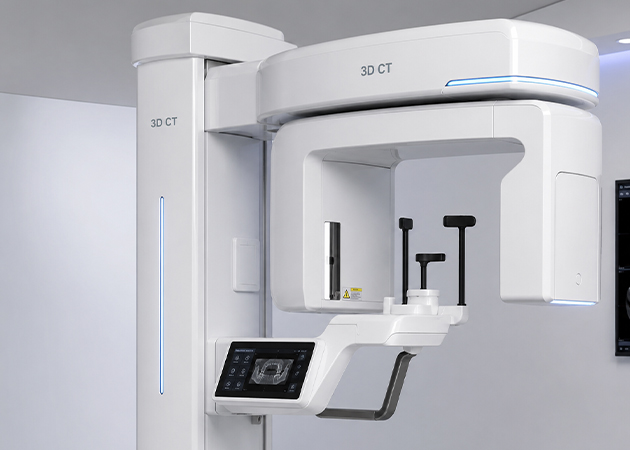
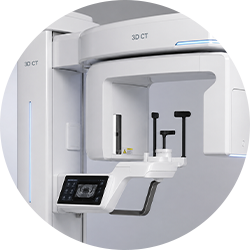
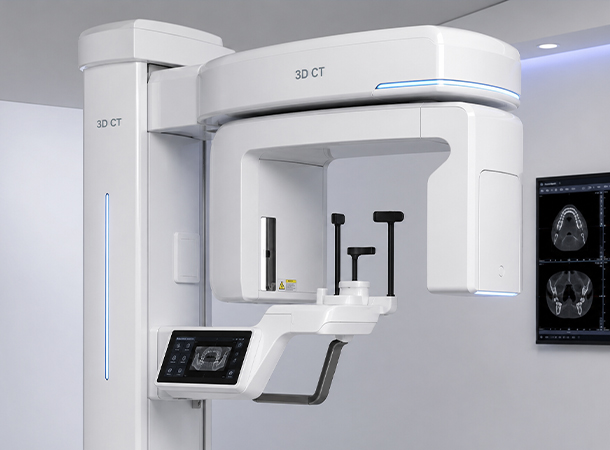
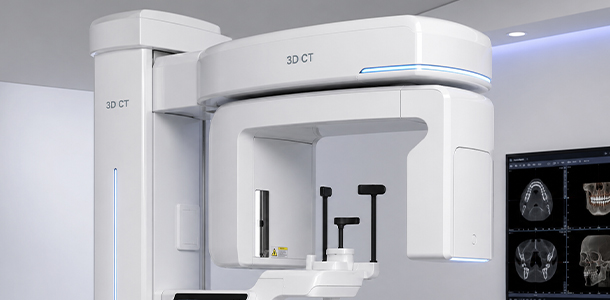
3D CT analysis for customized facial implant surgery
STEP 01

Precise analysis of the jawline, facial shape, and individual facial structure using 3D CT imaging

Facial mold creation for customized facial implant
STEP 02

A plaster model is created based on the patient's facial structure for customized implant planning

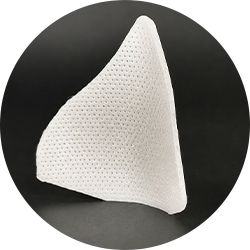
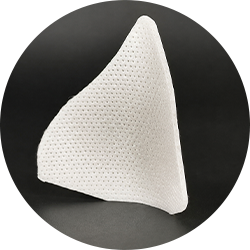
Customized facial implant production
STEP 03

The customized implant is produced to fit the completed facial mold

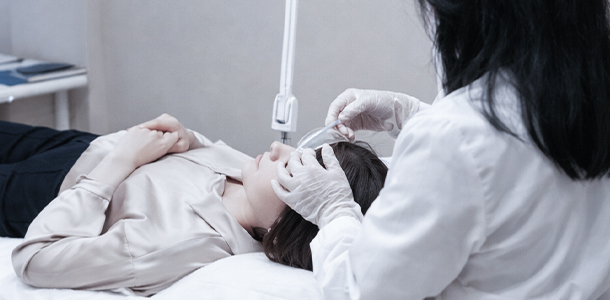
Customized facial implant placement
STEP 04

The implant is precisely placed according to the patient's facial contour

GIRIN 3D Facial Implant Contouring Process

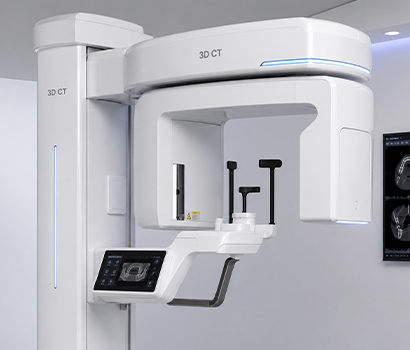
Latest 3D CT scan for facial contouring surgery
STEP 01

Latest CT imaging is performed to accurately assess the current facial condition

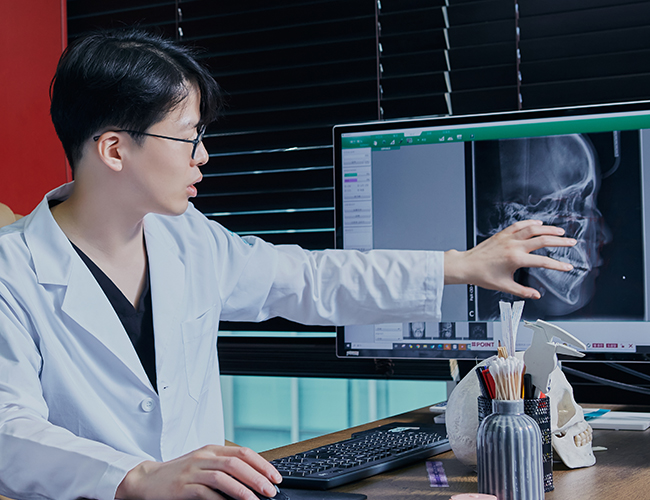
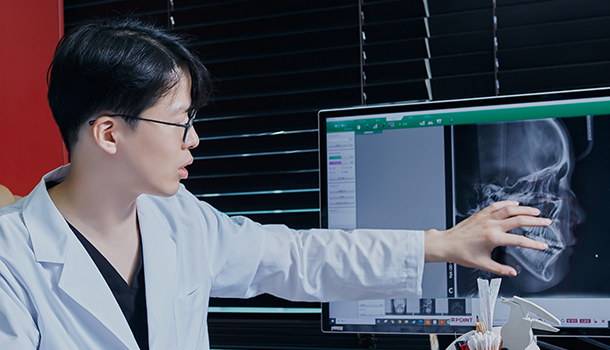
Customized facial contouring surgical analysis
STEP 02

Customized surgical planning considering both the nerve line and aesthetic facial contour

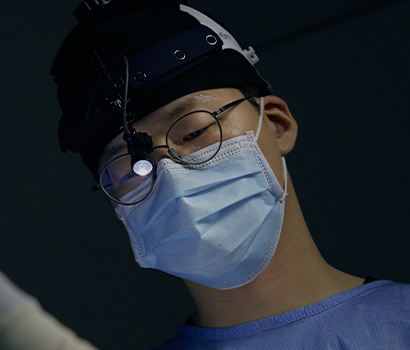
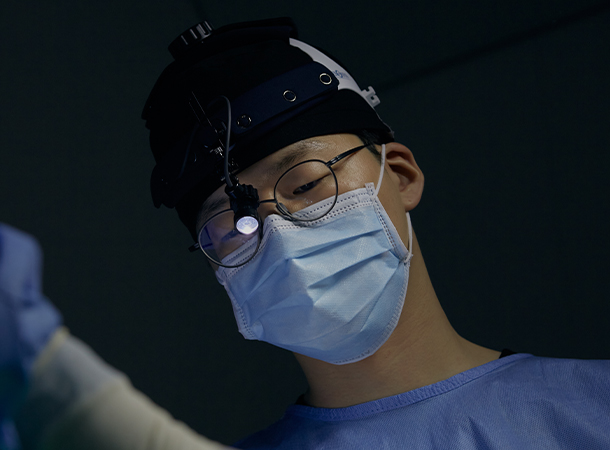
Oral and maxillofacial surgeon facial contouring surgery
STEP 03

Facial contouring and orthognathic surgery can be performed together by an oral and maxillofacial surgery specialist

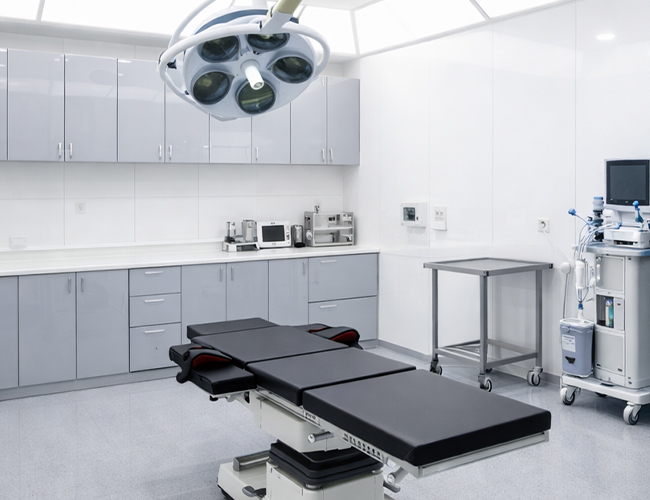
GIRIN facial contouring surgery safety system

GIRIN Surgical Safety System

No ghost doctors. Proxy surgery is strictly prohibited.

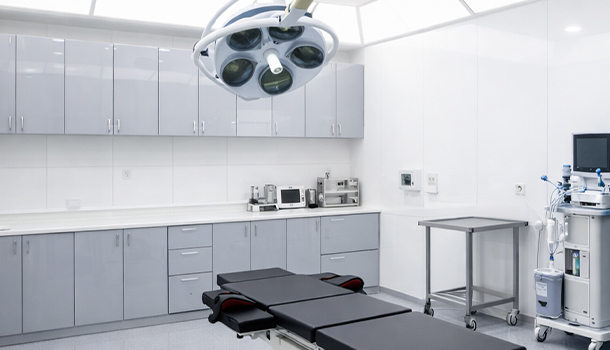
GIRIN operates a systematic surgical safety system to support safer facial contouring surgery. From detailed preoperative examination and surgical planning to the operating environment and postoperative monitoring, each stage is managed through a structured process designed with patient safety in mind.

GIRIN CT guided customized facial implant system

GIRIN CT-Guided Implant System

GIRIN uses 3D CT imaging to closely analyze the patient's facial bone structure, proportions, and the areas requiring augmentation. This information is used during customized implant planning so that the implant can be designed according to each patient's individual facial anatomy and intended contour.

GIRIN Facial Contouring Special Aftercare

Structured postoperative care is provided throughout recovery.

Postoperative CT scan and recovery check

CT Scan & Recovery Check

Postoperative condition and recovery progress are carefully monitored.

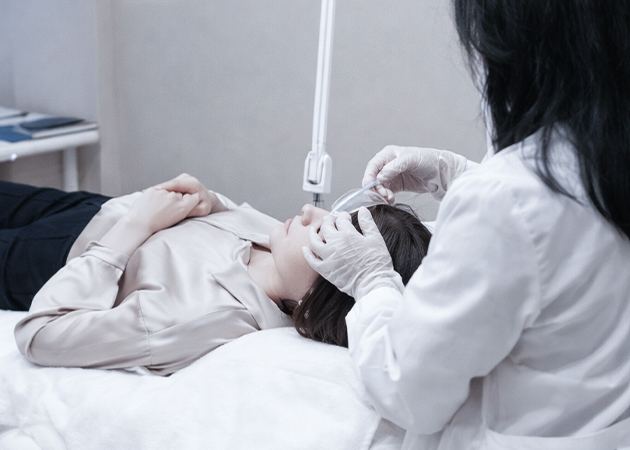
Swelling care after facial contouring surgery

Swelling & Bruising Care

Appropriate postoperative care is provided according to the recovery stage.

Recovery progress check after facial implant surgery

Recovery Progress Check

Healing progress is monitored through scheduled follow-up visits.

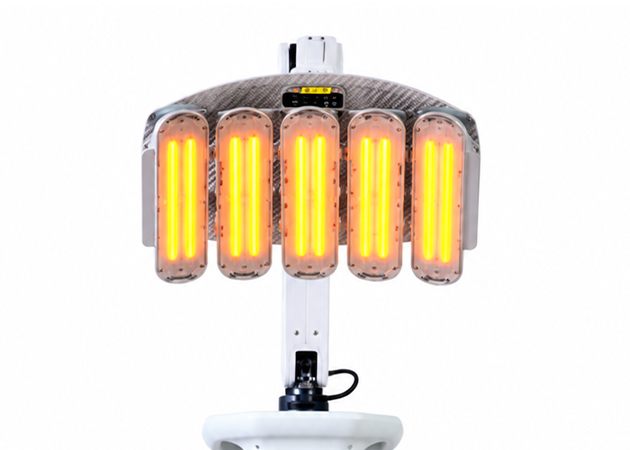
Postoperative recovery care

Recovery Care

Aftercare is provided according to each patient's recovery needs.

3D Facial Implant FAQ

Frequently asked questions about custom facial implants, facial contouring revision, recovery, and treatment options.

Q. Who is a good candidate for facial implant surgery?

Facial implant surgery may be considered for patients who want more structural volume or projection in areas such as the forehead, chin, front cheeks, jawline, or paranasal area. Suitability depends on facial proportions, bone structure, soft tissue, previous procedures, and the changes the patient would like to achieve. A personalized consultation and facial analysis are therefore important before deciding on surgery.

Q. Can a custom facial implant restore volume after too much bone was removed during facial contouring surgery?

In selected cases, yes. If previous facial contouring surgery has resulted in an area that appears overly reduced, indented, or lacking structure, a customized facial implant may help restore volume and definition. 3D CT imaging is especially useful in revision cases because the remaining bone structure, asymmetry, and exact area requiring augmentation can be analyzed individually.

Q. What is the difference between a custom facial implant and a standard implant?

Standard facial implants are manufactured in predetermined shapes and sizes. A custom facial implant is designed according to the patient's individual anatomy and can therefore be planned around specific facial contours, asymmetries, or areas that need augmentation. Customized implants may be particularly useful for patients with unusual bone anatomy or previous facial contouring surgery.

Q. Are facial implants permanent?

Facial implants are intended to provide long-term structural augmentation and do not gradually dissolve in the same way as temporary dermal fillers. However, an implant can be surgically removed, exchanged, or revised in the future if medically necessary or if the patient wishes to change the result.

Q. Can a facial implant move or shift after surgery?

Implant movement or malposition is a possible complication of facial implant surgery, although careful planning and placement are intended to reduce this risk. The implant pocket, facial anatomy, implant design, fixation when required, and postoperative care can all affect stability. Patients should follow their postoperative instructions carefully and avoid unnecessary pressure on the surgical area during early recovery.

Q. Facial implant vs. filler: which is better for adding facial volume?

Facial implants and fillers serve different purposes. Dermal fillers are generally used for temporary or smaller-volume changes, while a facial implant may be considered when a patient wants more structural augmentation or a longer-term change. The more appropriate option depends on the amount of volume needed, facial anatomy, treatment area, and the patient's goals.

Q. Can facial implant surgery be combined with other facial contouring procedures?

Depending on the patient's facial anatomy and surgical plan, facial implant surgery may sometimes be combined with other facial contouring procedures. Whether procedures can be performed together depends on the treatment areas, surgical complexity, anesthesia plan, previous operations, and overall safety considerations. The final surgical plan should therefore be determined individually after consultation.

GIRIN 3D Facial Implant Contouring

GIRIN

3D Facial Implant
Contouring

Customized facial contouring designed with facial structure and soft tissue in mind

What Is 3D Facial Implant Contouring?

Customized facial implants are designed according to each individual's facial structure and proportions to enhance volume and create a more three-dimensional facial contour.

Facial contour before customized facial implant
›
Facial contour after customized facial implant

Customized facial implants designed for individual facial proportions

Types of 3D Facial Implant Contouring

Forehead
Chin
Front Cheek
Jaw Reconstruction
Paranasal
01 Customized 3D forehead implant augmentation

Forehead Augmentation

By inserting a customized implant into a recessed forehead line, we create a natural forehead contour with enhanced volume.

  • Insufficient forehead volume
  • Uneven or irregular forehead contour
  • Forehead appears recessed due to a prominent brow bone
  • Narrow forehead width
02 Customized 3D chin implant augmentation

Chin Augmentation

A customized chin implant adds projection to a recessed chin and helps create a smoother, more balanced facial profile.

  • Recessed or underdeveloped chin
  • Short or weak chin projection
  • Unbalanced facial profile
  • Desire for a smoother jaw-to-chin line
03 Customized 3D front cheek implant augmentation

Front Cheek Augmentation

By restoring volume with a customized front cheek implant, the midface can appear more dimensional and naturally defined.
  • Flat or recessed front cheek area
  • Lack of midface projection
  • Hollow appearance around the central face
  • Desire for a more three-dimensional facial contour
04 Customized 3D jawline reconstruction implant

Jawline Reconstruction

A customized jaw implant can restore areas where too much bone was previously removed, helping recreate a smoother and more defined jawline.

  • Excessive bone removal from previous facial contouring
  • Irregular or indented jawline
  • Loss of lower-face structure
  • Desire to restore natural jawline definition
05 Customized 3D paranasal implant augmentation

Paranasal Augmentation

By adding volume to the recessed areas beside the nose with a customized paranasal implant, we can create a smoother and more three-dimensional midface contour.

  • Recessed areas beside the nose
  • Flat or underprojected midface
  • Deep appearance around the nasolabial area
  • Desire for greater midface dimension

GIRIN 3D Facial Implant Contouring Process

3D CT analysis for customized facial implant surgery
STEP 01

Precise analysis of the jawline, facial shape, and individual facial structure using 3D CT imaging

Facial mold creation for customized facial implant
STEP 02

A plaster model is created based on the patient's facial structure for customized implant planning

Customized facial implant production
STEP 03

The customized implant is produced to fit the completed facial mold

Customized facial implant placement
STEP 04

The implant is precisely placed according to the patient's facial contour

GIRIN 3D Facial Implant Contouring Process

Latest 3D CT scan for facial contouring surgery
STEP 01

Latest CT imaging is performed to accurately assess the current facial condition

Customized facial contouring surgical analysis
STEP 02

Customized surgical planning considering both the nerve line and aesthetic facial contour

Oral and maxillofacial surgeon facial contouring surgery
STEP 03

Facial contouring and orthognathic surgery can be performed together by an oral and maxillofacial surgery specialist

GIRIN facial contouring surgery safety system

GIRIN Surgical Safety System

No ghost doctors. Proxy surgery is strictly prohibited.

GIRIN operates a systematic surgical safety system to support safer facial contouring surgery. From detailed preoperative examination and surgical planning to the operating environment and postoperative monitoring, each stage is managed through a structured process designed with patient safety in mind.

GIRIN CT guided customized facial implant system

GIRIN CT-Guided Implant System

GIRIN uses 3D CT imaging to closely analyze the patient's facial bone structure, proportions, and the areas requiring augmentation. This information is used during customized implant planning so that the implant can be designed according to each patient's individual facial anatomy and intended contour.

GIRIN Facial Contouring Special Aftercare

Structured postoperative care is provided throughout recovery.

Postoperative CT scan and recovery check

CT Scan & Recovery Check

Postoperative condition and recovery progress are carefully monitored.

Swelling and bruising care after facial contouring surgery

Swelling & Bruising Care

Appropriate postoperative care is provided according to the recovery stage.

Recovery progress check after facial implant surgery

Recovery Progress Check

Healing progress is monitored through scheduled follow-up visits.

Postoperative recovery care after facial contouring surgery

Recovery Care

Aftercare is provided according to each patient's recovery needs.

3D Facial Implant FAQ

Frequently asked questions about custom facial implants, facial contouring revision, recovery, and treatment options.

Q. Who is a good candidate for facial implant surgery?

Facial implant surgery may be considered for patients who want more structural volume or projection in areas such as the forehead, chin, front cheeks, jawline, or paranasal area. Suitability depends on facial proportions, bone structure, soft tissue, previous procedures, and the changes the patient would like to achieve. A personalized consultation and facial analysis are therefore important before deciding on surgery.

Q. Can a custom facial implant restore volume after too much bone was removed during facial contouring surgery?

In selected cases, yes. If previous facial contouring surgery has resulted in an area that appears overly reduced, indented, or lacking structure, a customized facial implant may help restore volume and definition. 3D CT imaging is especially useful in revision cases because the remaining bone structure, asymmetry, and exact area requiring augmentation can be analyzed individually.

Q. What is the difference between a custom facial implant and a standard implant?

Standard facial implants are manufactured in predetermined shapes and sizes. A custom facial implant is designed according to the patient's individual anatomy and can therefore be planned around specific facial contours, asymmetries, or areas that need augmentation. Customized implants may be particularly useful for patients with unusual bone anatomy or previous facial contouring surgery.

Q. Are facial implants permanent?

Facial implants are intended to provide long-term structural augmentation and do not gradually dissolve in the same way as temporary dermal fillers. However, an implant can be surgically removed, exchanged, or revised in the future if medically necessary or if the patient wishes to change the result.

Q. Can a facial implant move or shift after surgery?

Implant movement or malposition is a possible complication of facial implant surgery, although careful planning and placement are intended to reduce this risk. The implant pocket, facial anatomy, implant design, fixation when required, and postoperative care can all affect stability. Patients should follow their postoperative instructions carefully and avoid unnecessary pressure on the surgical area during early recovery.

Q. Facial implant vs. filler: which is better for adding facial volume?

Facial implants and fillers serve different purposes. Dermal fillers are generally used for temporary or smaller-volume changes, while a facial implant may be considered when a patient wants more structural augmentation or a longer-term change. The more appropriate option depends on the amount of volume needed, facial anatomy, treatment area, and the patient's goals.

Q. Can facial implant surgery be combined with other facial contouring procedures?

Depending on the patient's facial anatomy and surgical plan, facial implant surgery may sometimes be combined with other facial contouring procedures. Whether procedures can be performed together depends on the treatment areas, surgical complexity, anesthesia plan, previous operations, and overall safety considerations. The final surgical plan should therefore be determined individually after consultation.