



GIRIN
Bulbous Nose
Rhinoplasty
Refine a round, wide-looking tip
for a slimmer, more defined nose line
Reduce the Width, Define the Line
GIRIN Bulbous Nose Rhinoplasty
A bulbous nose can appear wide or rounded due to factors such as splayed tip cartilage, thick soft tissue, or a broad nasal structure. After evaluating the current tip anatomy and skin thickness, we correct only the areas that need improvement to create a slimmer and more defined nasal tip.
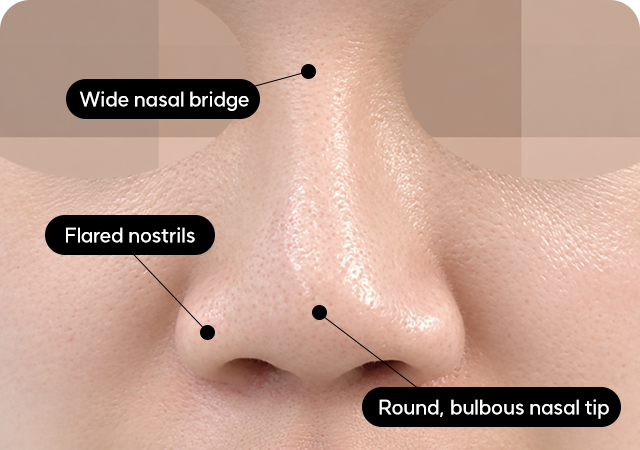
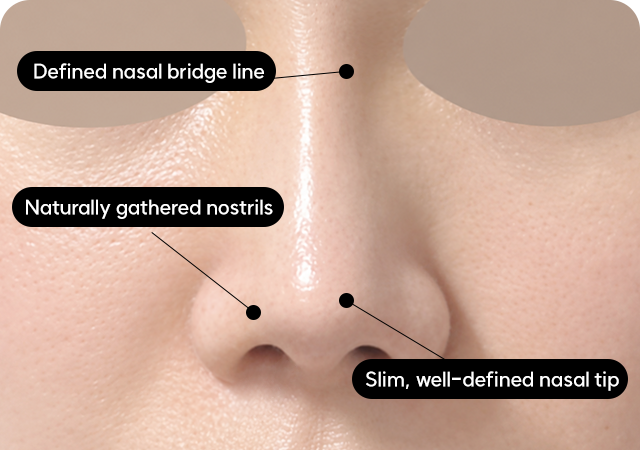
Customized Surgical Methods Based on the Cause of a Bulbous Nose
We evaluate the nasal tip cartilage, nostril width, and overall nasal width together, then select the areas that need correction based on each patient's anatomy.
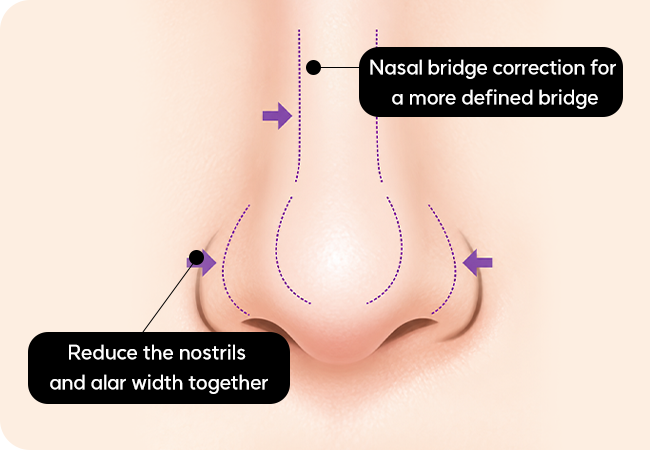
CASE 01
Bulbous Nose Correction
We assess splayed tip cartilage, wide nostrils, and overall nasal width to determine which areas need correction. Rather than simply narrowing the tip, the entire nose from the bridge to the nostrils is considered to create a slimmer and more balanced nasal line.
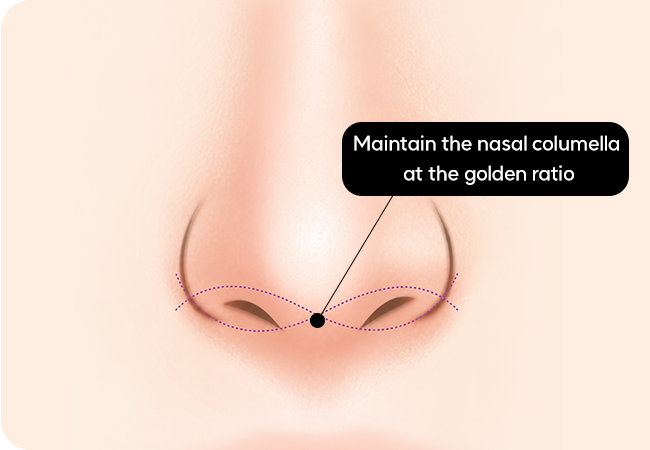
CASE 02
Non-Incisional Nostril Reduction
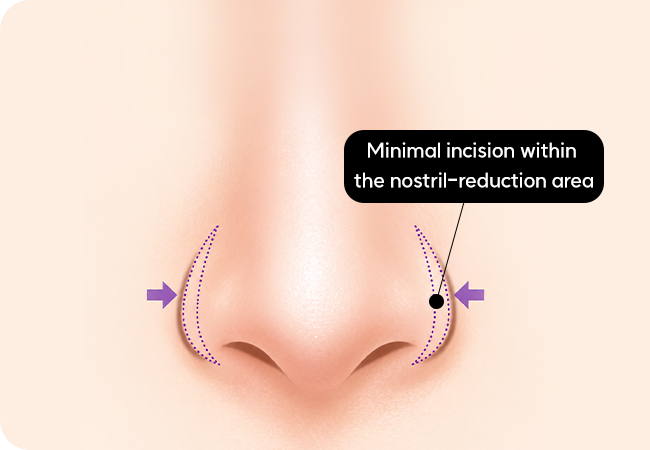
Instead of removing skin from the outer nostrils, sutures are used internally to bring widened nostrils closer together. Suitability depends on factors such as skin thickness and the amount of narrowing required, so this method may not be appropriate for every patient.
CASE 03
Incisional Nostril Reduction
When the nostrils are significantly wide or a greater amount of narrowing is required, the necessary tissue is carefully removed to reduce nostril width. The incision range is customized based on nostril thickness, shape, and the desired amount of reduction.
Identifying the Cause of a Wide, Rounded Nose
GIRIN Bulbous Nose Rhinoplasty
Pre-Surgery 3D CT-Based Structural Analysis
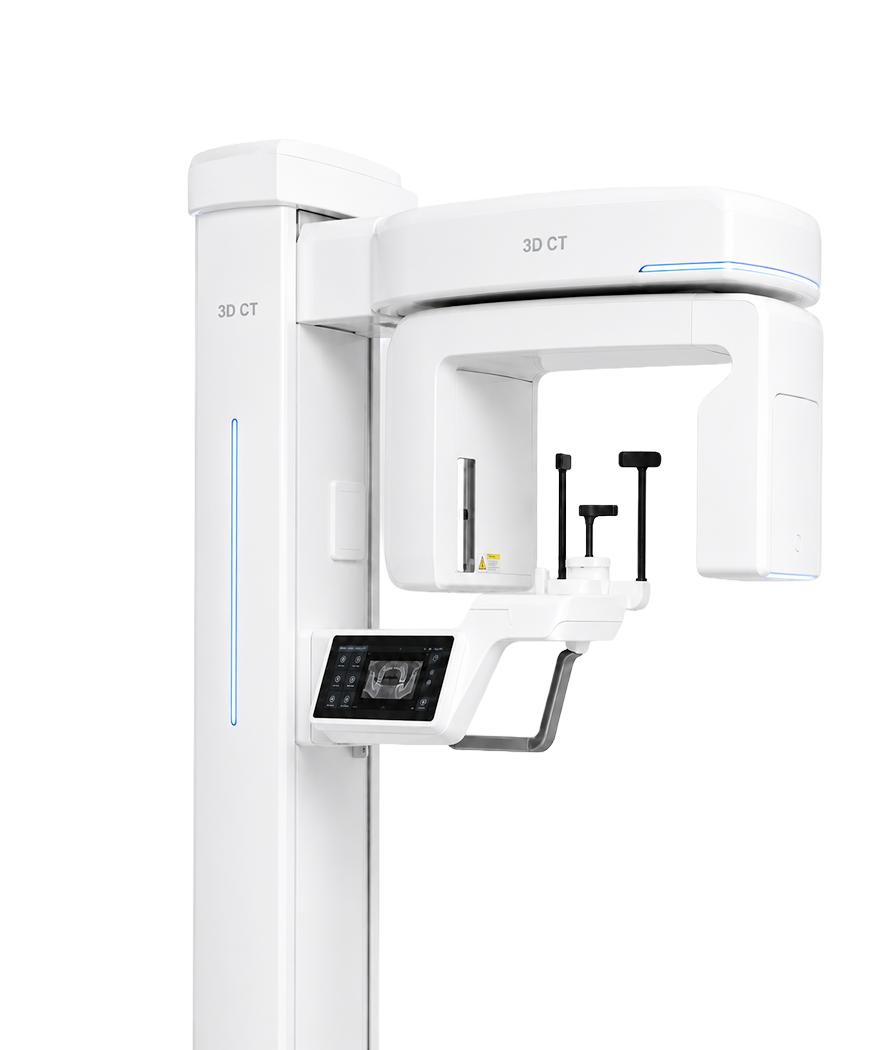
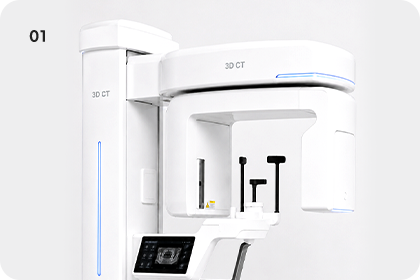
GIRIN uses 3D CT and X-ray imaging to evaluate the internal nasal structure, septal condition, bridge width, and shape of the nasal tip cartilage. Based on these findings, we establish a surgical plan tailored to the underlying cause of the bulbous nose.
✓
Detailed diagnosis using
3D CT and X-ray
✓
Anatomical
structural analysis
inside the nose
✓
Evaluation of septal deviation, rhinitis,
turbinate hypertrophy and
overall nasal condition
✓
A
customized surgical plan
considering bone and soft tissue structure
GIRIN Bulbous Nose Rhinoplasty
Before & After
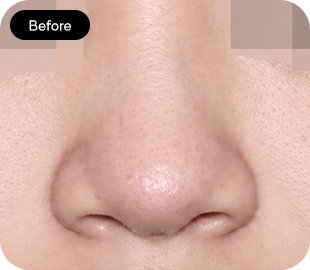
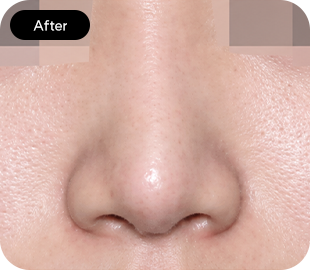
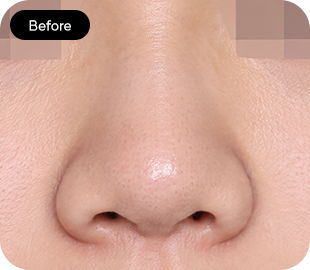
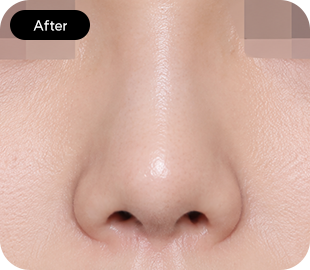
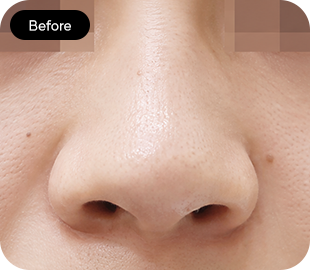
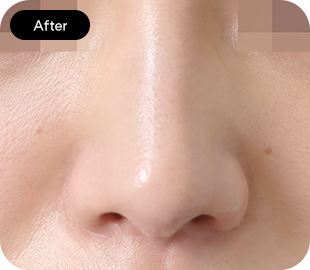
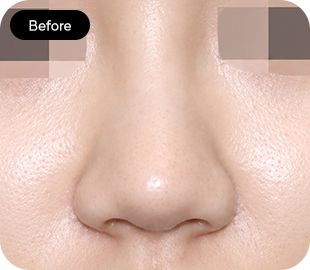
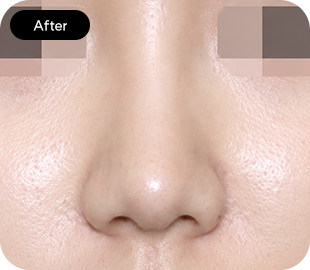
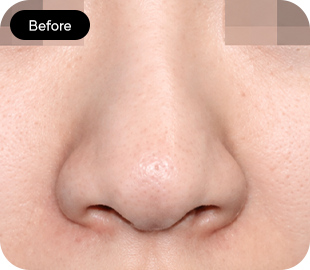
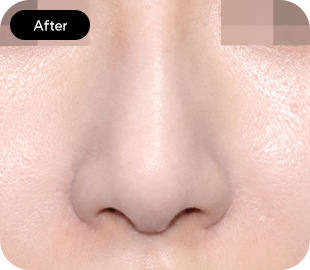
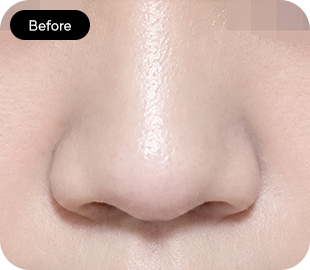
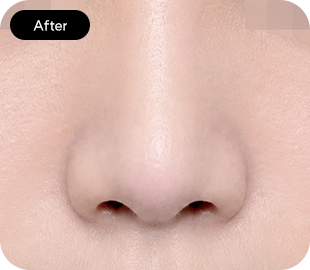

Slimming a Wide Nasal Tip
GIRIN Bulbous Nose Rhinoplasty
✓
Evaluate the
width of the nasal tip and bridge structure
✓
Analyze the condition of
splayed tip cartilage
✓
Consider nostril width and
soft-tissue thickness
✓
Create an individualized surgical plan
based on the
cause of the bulbous nose
GIRIN Bulbous Nose Rhinoplasty Process
Through in-depth consultation and customized design based on facial proportions, we carefully identify each patient's needs before proceeding with surgery using GIRIN's specialized bulbous nose rhinoplasty techniques.
 01
Detailed evaluation with 3D CT imaging to accurately understand the current nasal structure
 02
A 1:1 customized surgical assessment considering facial proportions and patient needs
 03
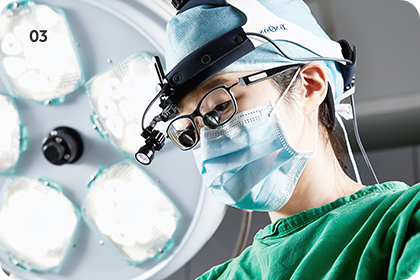
Surgery using GIRIN's specialized bulbous nose rhinoplasty techniques
GIRIN Plastic Surgery Clinic's Standard for Safety
Safety System
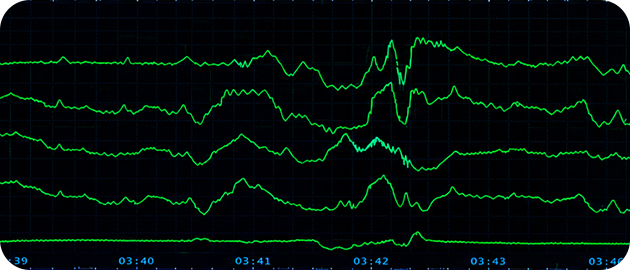
Central Monitoring System
An anesthesiology specialist continuously monitors blood pressure, heart rate, body temperature, oxygen saturation and other vital signs in real time.

Real-Time Anesthesia Records
The patient's anesthesia status is continuously monitored and recorded in real time throughout surgery.
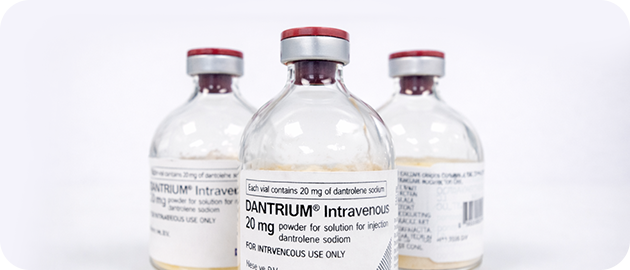
Dantrolene
Dantrolene is kept available for prompt response in the rare event of malignant hyperthermia during general anesthesia.
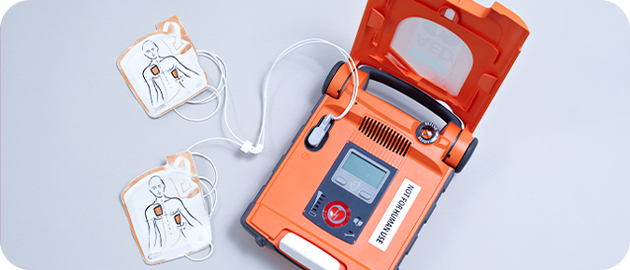
Defibrillator
A defibrillator and emergency equipment are maintained on site for immediate response when necessary.

Uninterruptible Power Supply (UPS)
A backup power system is installed to support safe continuation of surgery during an unexpected power outage.
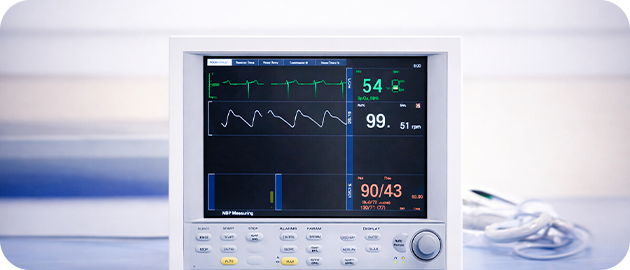
Patient Monitor & End-Tidal CO₂ Monitoring
Continuous respiratory and vital-sign monitoring helps identify abnormalities promptly so the medical team can respond immediately.


